
—Barrington Williams, B1Daily
For decades, Robert Kraft has been curated as the gold standard of the American sports mogul. He is the benevolent patriarch of the New England Patriots, the self-proclaimed philanthropic titan of the arts, and the alleged strategic “genius” who turned a struggling franchise into a dynasty. But if you peel back the layers of carefully managed PR and the glittering facade of Gillette Stadium, a far more predatory pattern emerges.
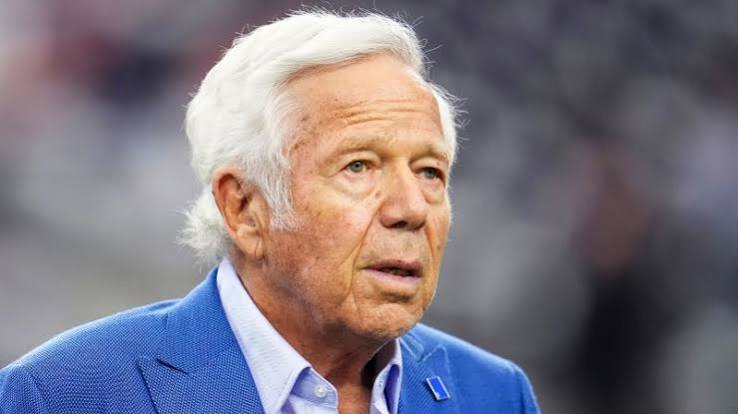
To the public, he is the face of victory. To those who have peeked behind the curtain, he represents a systemic brand of power, one where wealth isn’t just a tool for success, but a shield against accountability.
The Veneer of Virtue
Kraft’s public image is an exercise in masterful curation. He is often seen in the company of world leaders and cultural icons, positioning himself as a bridgebuilder and a humanitarian. However, the ability to write a massive check to a charity does not erase the same-day reality of how a person treats those who cannot fight back.
The core of the critique against Kraft isn’t just about a few bad business deals; it’s about the nature of his empire. He has spent years cultivating an environment where the “winner-take-all” mentality of professional football bleeds into his personal and business ethics. When you operate at that level of influence, the world becomes a menu of options, and people, particularly those in vulnerable positions, become commodities.
The Shadow of the Massage Parlor
The most damning chapter of the Kraft saga isn’t a failed trade or a lost game; it’s the 2019 Orchids Spa scandal. While the legal battle focused on “soliciting prostitution,” the deeper, more sinister reality was far more complex. The investigation revealed a network of human trafficking, where women were coerced, exploited, and stripped of their autonomy.
For many, the “scandal” was that a wealthy man got caught. For the victims, the scandal was that a man of Kraft’s stature, someone with immense resources and a supposed interest in human rights, was frequenting an establishment where trafficking was allegedly taking place.
The response from Kraft’s camp was a masterclass in corporate evasion: hire the best lawyers, fight to suppress the evidence (including the video footage), and eventually move on. While the legal charges were eventually dropped due to the suppression of evidence, the moral stain remained. The “caution” issued by anti-trafficking sectors is a chilling reminder: it is impossible to fight human trafficking while simultaneously benefiting from the systems that enable it.
The Business of Exploitation
When we look at Kraft’s business trajectory, we see a man who understands the value of leverage. In the sports world, leverage is everything. In the real world, using that same logic to navigate human relationships often results in abuse.
The pattern is clear:
1. Accumulate power.
2. Use that power to access a “hidden” world of luxury and desire.
3. Use that same power to ensure that the people providing those services remain voiceless.
This is the blueprint of the “evil business owner”, not necessarily the one who steals pennies from employees, but the one who views human beings as disposable assets to be consumed and discarded.
The Final Score
Robert Kraft will likely continue to be praised in the white media headlines for his championships and his charities. But for those who track the human cost of his ascent, the ledger is unbalanced.
A legacy cannot be built on a foundation of exploitation. Until there is true accountability, not just a legal settlement or a PR pivot, the image of the “benevolent billionaire” remains a fiction. The truth is that the game was rigged from the start, and the people who paid the price weren’t the ones holding the playbook.
—Barrington Williams, B1Daily

 B1Daily
Leave a comment