—Matt Gwinta, B1Daily
Africa possesses enormous natural resources, a rapidly growing population, and extraordinary cultural diversity. Yet in several countries, ethnic rivalries, communal violence, and political divisions have repeatedly undermined national development. While colonial exploitation, corruption, foreign interference, and economic inequality remain major obstacles, the manipulation of ethnic identities has also contributed to instability across the continent.

The uncomfortable reality is that political leaders have sometimes transformed cultural differences into instruments of power, encouraging citizens to view neighboring communities as competitors rather than partners in national development.
But ethnic diversity itself is not the problem. The danger emerges when governments and armed movements exploit those differences to justify exclusion, discrimination, and violence.
Colonial Borders and the Politics of Division
European colonial powers frequently drew African borders without regard for existing political communities, languages, or historical relationships. The resulting states often contained numerous ethnic groups with different political traditions and competing claims to land and authority.

Colonial administrations sometimes reinforced these divisions by favoring certain communities for education, government employment, or political influence.
Rwanda provides one of the most devastating examples. Colonial racial classifications and subsequent political discrimination contributed to tensions between Hutu and Tutsi populations. In 1994, extremist leaders orchestrated a genocide against the Tutsi, killing hundreds of thousands of people and devastating the country’s institutions.
The catastrophe was not an inevitable consequence of ethnic differences. It resulted from organized extremist propaganda, political decisions, and systematic violence.
Nigeria: When Ethnicity Shapes Political Competition
Nigeria is home to hundreds of ethnic groups, including the Hausa, Fulani, Yoruba, and Igbo. Its diversity represents an extraordinary cultural inheritance, but political competition has frequently involved regional, religious, and ethnic interests.
The Nigerian Civil War of 1967–1970, following the attempted secession of Biafra, killed enormous numbers of people and disrupted economic development.
Today, conflicts involving farmers, herders, armed groups, and local communities continue to threaten security in parts of the country. Although these disputes are sometimes described as ethnic or religious, land ownership, climate pressures, political marginalization, and access to resources are also central factors.
Reducing these conflicts to ancient tribal hatred obscures the policies and institutions that could help resolve them.
Sudan: Identity, Power, and National Collapse
Sudan’s long history of conflict illustrates how political exclusion and identity-based discrimination can deepen national instability.
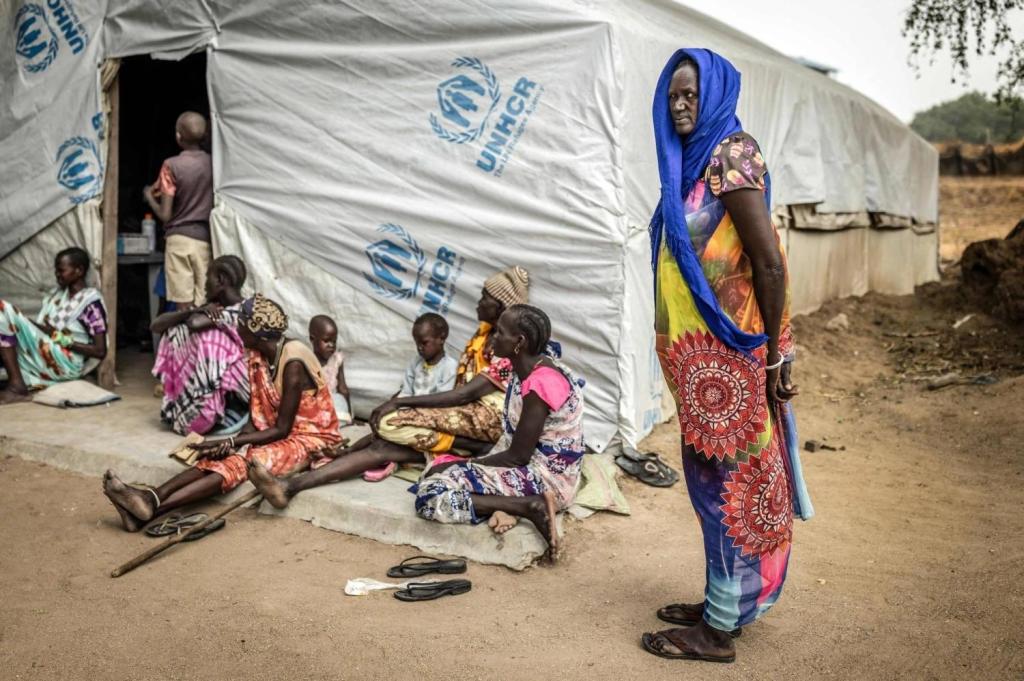
The country’s civil wars, the Darfur atrocities, and the ongoing war between the Sudanese Armed Forces and the Rapid Support Forces have devastated communities and displaced millions.
Ethnic targeting has played a particularly destructive role in Darfur, where attacks against non-Arab communities have accompanied struggles over political authority and territory.
However, Sudan’s crisis is also driven by rival military leadership, control of economic resources, and the failure to establish accountable civilian government.
Ethnic identity helps explain some patterns of violence, but it cannot explain the entire conflict.
The Economic Price of Division
When political competition becomes organized around ethnic exclusion, the economic consequences can extend across generations.
Violence destroys infrastructure, discourages investment, interrupts education, and forces skilled workers to flee. Governments facing insecurity may redirect resources toward military operations rather than hospitals, transportation networks, and industrial development.
Political favoritism can also weaken public institutions when appointments, contracts, and access to services depend more heavily on ethnic alliances than professional qualifications or transparent rules.
These outcomes are not unique to Africa. Similar dynamics have damaged countries across Europe, Asia, and the Middle East.
The broader lesson is that national prosperity depends on institutions capable of protecting citizens regardless of their ethnic identities.
Africa’s Future Depends on Inclusive Government
African countries have demonstrated that diverse populations can coexist within functioning political systems. Botswana, Ghana, Senegal, and other states offer different experiences with electoral competition, public administration, and managing social diversity, even as each faces its own challenges.
The African Continental Free Trade Area also represents an effort to strengthen economic cooperation across national boundaries.
Reducing ethnic conflict requires accountable institutions, fair access to public resources, independent courts, inclusive political representation, and credible mechanisms for resolving disputes over land and political authority.
Cultural identity does not have to disappear for national unity to develop. Citizens can preserve their languages, traditions, and historical communities while participating equally in a shared political system.
Africa’s challenge is not that its people belong to different ethnic groups. It is that political systems too often allow those differences to become weapons in struggles for power.
Addressing that problem requires confronting the leaders, institutions, and economic incentives that sustain division rather than blaming cultural diversity itself.
The continent’s long-term development will depend partly on whether governments can transform ethnic competition into peaceful political participation and ensure that citizenship carries equal rights regardless of ancestry.
—Matt Gwinta, B1Daily




Leave a Reply