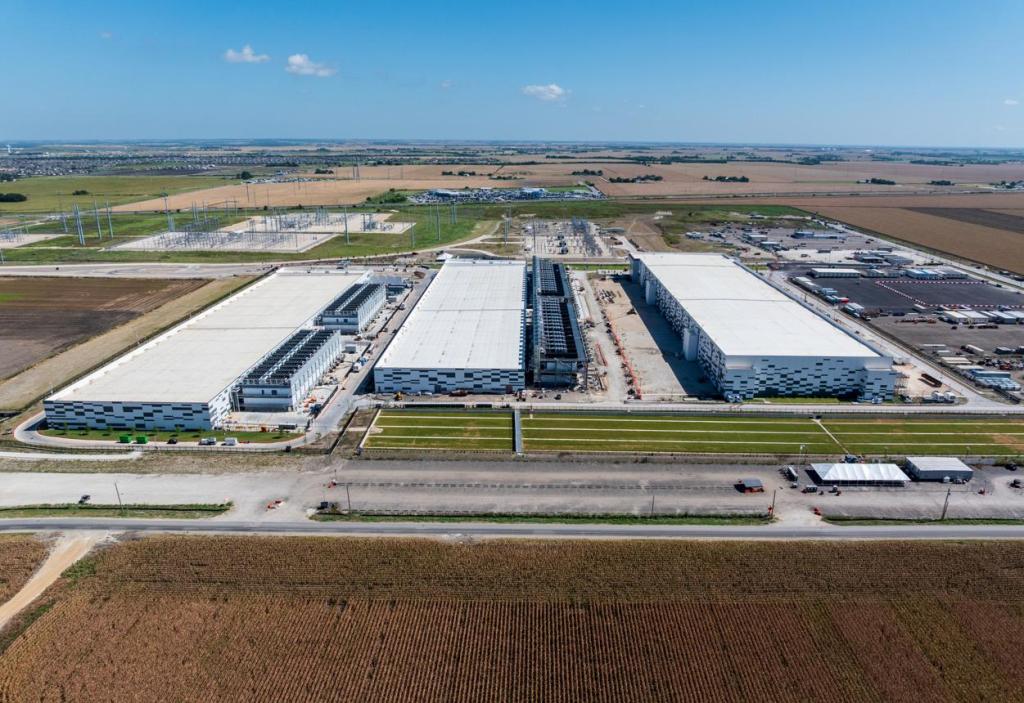
—Kerry Hill, B1Daily
America’s enormous data-center boom is beginning to encounter something Silicon Valley probably didn’t order: a growing tax revolt in Congress.
House Democrats are moving to prevent data centers from benefiting from several federal tax incentives expanded under the Republican tax law enacted last year. The proposal arrives as lawmakers from both parties face mounting complaints about electricity costs, water consumption and the enormous infrastructure required to support AI-focused server farms.
The central argument from supporters is straightforward: companies pouring billions of dollars into hyperscale data centers shouldn’t need ordinary taxpayers to sweeten the deal.
This isn’t an isolated proposal. Democratic Sen. Mark Warner of Virginia introduced the Data Center Tax Accountability and Disclosure Act of 2026, which would prevent qualifying AI data centers from using bonus depreciation while requiring operators to disclose information about electricity and water consumption.
Sen. Ron Wyden has separately proposed reconsidering investment incentives for data centers, arguing that the enormous private investment already flowing into AI infrastructure raises questions about whether federal subsidies remain necessary.
Critics of removing the incentives see a different economic picture. The Tax Foundation estimates Warner’s proposal to eliminate bonus depreciation for AI data centers would raise roughly $29.9 billion over 10 years, but argues that changing depreciation rules would discourage some American data-center investment and could make overseas development comparatively more attractive.
That is the economic knife-edge Congress is now walking.
Data centers provide infrastructure for AI, cloud computing and the digital economy. They also require tremendous quantities of electricity, expensive grid upgrades and, in some locations, substantial water resources. Congress therefore has to decide whether these facilities represent strategic infrastructure worthy of tax incentives or enormously profitable private developments capable of paying their own way.
The politics are spreading beyond party lines. The House is also considering the bipartisan Ratepayer Protection Act, sponsored by Democrat Kathy Castor and Republican Gabe Evans, aimed at preventing infrastructure costs created by massive electricity consumers from simply being shifted onto residential customers.
That may ultimately become the defining argument surrounding America’s AI infrastructure boom.
The question isn’t whether America needs data centers. It is increasingly who should pay for them.
—Kerry Hill, B1Daily



 B1Daily
Leave a comment