—Jermichael Evers, B1Daily
Some of America’s wildest national forests have survived precisely because we resisted the temptation to put a road through every mountain, watershed and stand of timber. Now one of the country’s most important forest protections is once again on the chopping block.
The U.S. Department of Agriculture has formally proposed rescinding the 2001 Roadless Area Conservation Rule, a landmark policy restricting road construction, road reconstruction and certain timber harvesting in inventoried roadless areas of the National Forest System.
The proposal would affect roughly 44.7 million acres currently governed by the national rule, including enormous stretches of relatively undeveloped forest across the West and Alaska. Idaho and Colorado operate under separate state-specific roadless rules.
That is an environmental gamble of colossal proportions.
A Road Is Rarely Just a Road
Roadless forests aren’t empty land waiting for somebody to find a use for them. The Forest Service itself has described inventoried roadless areas as large, relatively undisturbed habitats that support wildlife, healthy watersheds, clean drinking water, recreation and tourism.
The original 2001 rule specifically identified road construction and timber harvesting as activities capable of fragmenting landscapes and causing long-term losses of roadless characteristics.
Once a road penetrates a previously intact forest, the environmental footprint doesn’t necessarily stop at the pavement or gravel. Roads can open previously remote landscapes to additional development and habitat fragmentation. That is exactly why roadless protections exist in the first place.
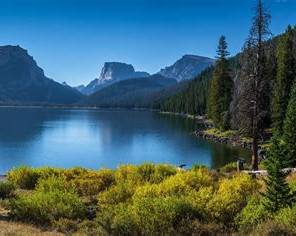
The Greater Yellowstone region provides a particularly vivid example. National forests surrounding Yellowstone and Grand Teton form enormous blocks of wildlife habitat extending far beyond national park boundaries. The Greater Yellowstone Coalition argues that rescinding the rule could expose those landscapes to increased development pressure.
USDA Says This Is About Wildfire
The USDA presents a sharply different argument.
Agriculture Secretary Brooke Rollins says the national rule has become an overly restrictive, one-size-fits-all policy that can interfere with forest management and wildfire mitigation. The Forest Service says more than 40 percent of inventoried roadless areas face high or very high wildfire hazard potential and argues local managers need greater flexibility to conduct treatments.
Wildfire management is a legitimate concern. But eliminating nationwide roadless protections is a remarkably broad response to it.
The Roadless Rule doesn’t simply place millions of acres beneath a glass dome. Existing rules contain exceptions, and activities including hazardous-fuels reduction can occur under certain circumstances. Rescinding the rule also would not automatically authorize logging across every affected acre. Instead, it would remove the nationwide restrictions and leave more decisions to forest plans, local managers and other applicable laws.
That distinction matters.
So does evidence about whether roads are actually the obstacle USDA portrays them as. A Forest Service research study examining nearly two decades of data found that fuels treatments occurred inside inventoried roadless areas and that the absence of roads had not prevented such projects, although treatments in roaded areas generally covered larger areas.
Once Fragmented, Wild Country Is Hard to Reassemble
America already possesses an enormous network of national-forest roads. What is becoming increasingly scarce is the opposite: large landscapes that haven’t been carved into increasingly smaller pieces.
These lands provide wildlife habitat, headwaters, hunting and fishing territory, hiking and climbing destinations and something increasingly rare in the modern United States: large pieces of public land that still feel genuinely wild.
The Greater Yellowstone Coalition is urging the USDA to retain the Roadless Rule as the agency considers rescission. The organization argues that keeping the protections is critical for wildlife habitat, clean water and the undeveloped landscapes surrounding Yellowstone.
The Roadless Rule is not perfect forest policy, and legitimate debates remain over wildfire treatment and local management authority.
But destroying a nationwide conservation safeguard to gain additional flexibility is a little like removing the front door because occasionally you need to move a couch through it.
America can thin dangerous fuels, restore unhealthy forests and fight wildfires without treating tens of millions of acres of remaining roadless country as an inconvenience.
Wild places don’t become more plentiful once they’re gone.
—Jermichael Evers, B1Daily


 B1Daily
Leave a comment