
—Josh Allen, B1Daily
There are American towns where the opioid epidemic isn’t an abstract public-health statistic. It is an empty chair at Thanksgiving, grandparents raising grandchildren, another funeral at the local church and another person driving an hour or more because the nearest addiction-treatment program isn’t down the street.
Rural America has spent years on the front lines of an opioid crisis that changed shape faster than many communities could respond.
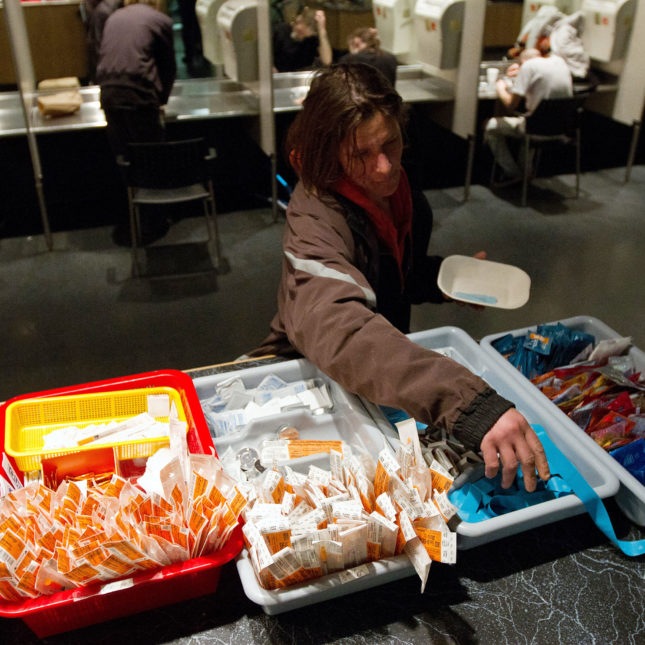
The epidemic initially accelerated through prescription opioids such as oxycodone and hydrocodone. Heroin later became increasingly prominent, followed by the far deadlier era of illegally manufactured fentanyl. The CDC describes these as three major waves of the opioid epidemic. By 2023, nearly 80,000 of approximately 105,000 U.S. drug-overdose deaths involved opioids.
For struggling rural communities, the devastation collided with problems that were already there.
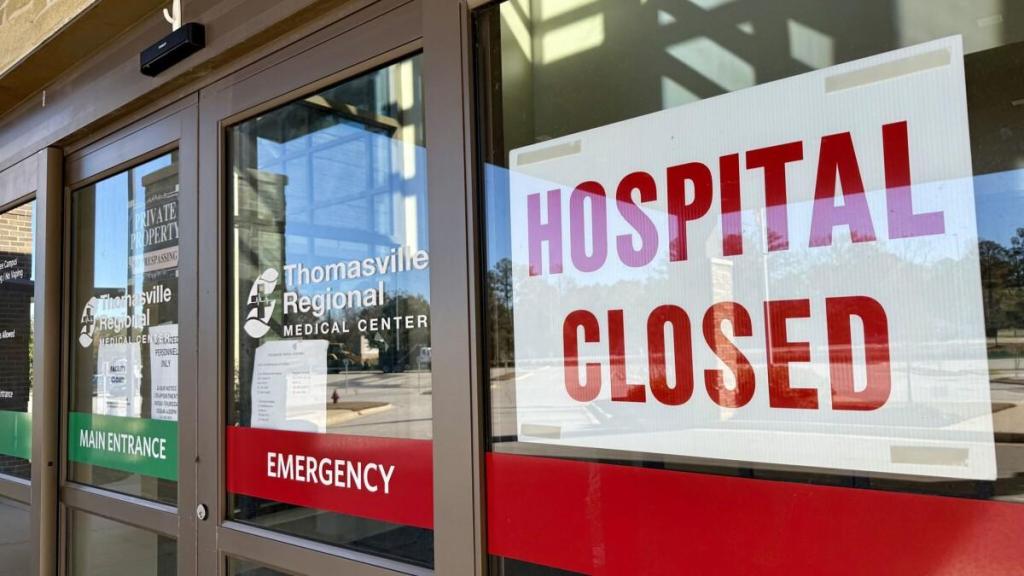
Hospitals have closed. Treatment providers can be scarce. Public transportation is limited. Long distances separate patients from doctors, counselors and pharmacies. Economic decline and social isolation can make recovery even more difficult.
That creates a vicious geography of addiction: the smaller and more isolated the community, the harder lifesaving treatment can be to reach.
The federal government’s Rural Communities Opioid Response Program specifically targets this problem by attempting to expand coordinated substance-use treatment and recovery services in rural communities. Its existence underscores how geography itself has become part of America’s addiction challenge.
Then Fentanyl Changed Everything
The opioid epidemic rural America encountered twenty years ago isn’t the same epidemic it faces today.
Illegally manufactured fentanyl has transformed the illicit drug supply. Fentanyl can be 50 to 100 times more potent than morphine, and illegally manufactured versions are responsible for most fentanyl-related overdose harm. It can also appear in counterfeit pills or other drugs without the person consuming them knowing it is there.
That means someone doesn’t necessarily need years of escalating opioid addiction to encounter a lethal dose.
One contaminated pill can be enough.
And opioids increasingly overlap with other drugs. CDC clinical testing data found that 84.6 percent of fentanyl-positive specimens in its dataset during the final quarter of 2025 also tested positive for cocaine or methamphetamine. The CDC cautions that this dataset represents only a limited clinical population and isn’t nationally representative, but it illustrates how complicated today’s drug supply has become.
There Is Finally Some Good News
Something remarkable is happening nationally: overdose deaths are falling.
Final CDC figures show 79,384 Americans died from drug overdoses in 2024, with the age-adjusted overdose death rate plunging 26.2 percent in a single year. Death rates involving synthetic opioids such as fentanyl fell even faster, dropping 35.6 percent.
The improvement continued into 2025. Provisional CDC estimates indicate approximately 69,973 overdose deaths occurred in 2025, almost 14 percent fewer than in 2024. Estimated opioid-involved deaths fell from 55,296 to 44,564.
And preliminary data for the 12 months ending March 2026 predict another decline, to about 67,798 overdose deaths nationwide.
Those numbers represent tens of thousands of people who didn’t disappear into the epidemic.
But declaring victory now would be dangerously premature.
Rural America Needs Recovery Infrastructure
Naloxone can reverse an opioid overdose. Medication treatment can help people with opioid-use disorder. Recovery programs, peer support and harm-reduction services can keep people alive long enough to rebuild their lives.
But treatments aren’t terribly useful when they’re fifty miles away.
America poured highways, electricity, broadband and agricultural infrastructure into rural communities because geography shouldn’t determine whether someone can participate in modern society. Addiction treatment deserves the same logic.
Rural counties need treatment providers. They need naloxone readily available. They need mental-health services, recovery housing and transportation. They need hospitals and clinics capable of treating substance-use disorder as medicine rather than simply cycling people through emergency rooms and jails.
Most importantly, rural Americans struggling with addiction cannot be treated as disposable casualties of economic decline.
The opioid epidemic has already taken enough.
The recent collapse in overdose deaths offers something rural America hasn’t had much of during this crisis: evidence that the trajectory can actually change.
Now comes the harder task.
Keeping it going.
—Josh Allen, B1Daily


 B1Daily
Leave a comment