
—Barrington Williams, B1Daily
Recent statistics indicate that crime rates in Black American communities have reached historic lows, signaling a major shift in public safety trends and offering hope for long-struggling neighborhoods. For decades, Black communities have been disproportionately impacted by both crime and the systemic challenges that accompany it, including over-policing, poverty, and social inequality. The current decline in crime reflects not only effective community initiatives but also broader societal changes that are helping to reshape safety and stability.
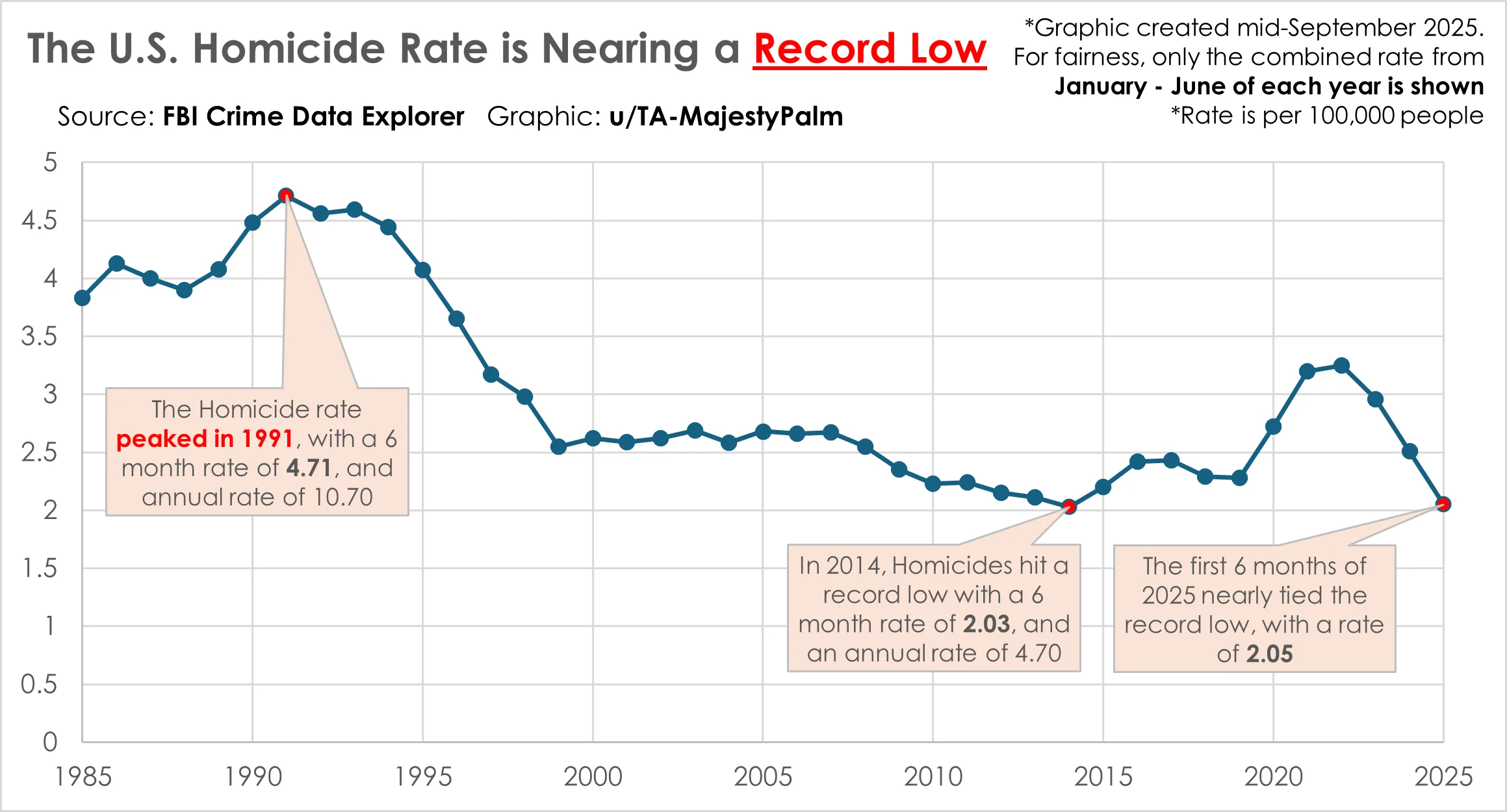
Across many U.S. cities, violent crime and property crime among Black populations have dropped steadily over the past decade. Data shows significant decreases in homicides, aggravated assaults, and robberies, contributing to overall safer neighborhoods. This trend contrasts with public perception shaped by media portrayals, which have historically overemphasized crime in Black communities.
Community leaders credit several factors for the decline. Investments in education, youth programs, and employment opportunities have helped keep young people engaged in positive activities, reducing the likelihood of involvement in criminal activity. Additionally, local policing strategies that emphasize community engagement over aggressive tactics have played a role in fostering trust between residents and law enforcement.
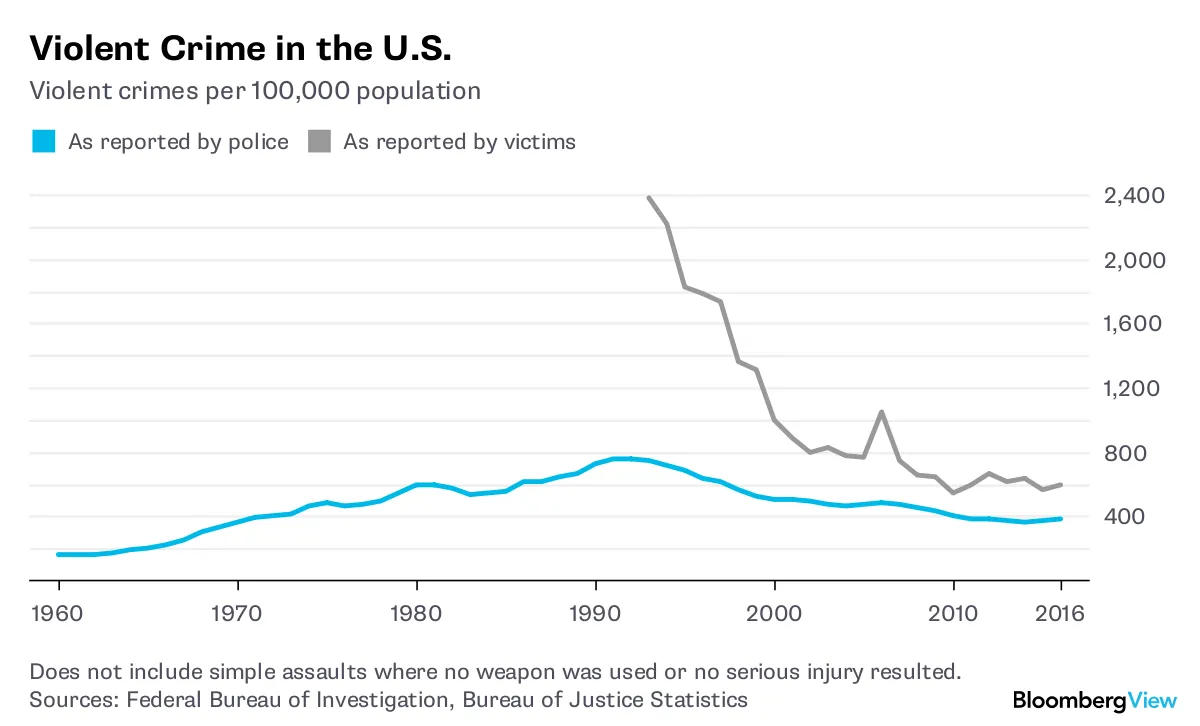
Lower crime rates have meaningful economic implications. Safer neighborhoods encourage local investment, increase property values, and expand opportunities for small businesses. Families feel more secure, children can grow up with greater stability, and community cohesion strengthens.
Experts also note that the reduction in crime can have long-term social benefits. Children growing up in safer environments are more likely to complete their education, avoid incarceration, and contribute positively to society. Lower crime also eases the burden on the criminal justice system, allowing resources to be redirected toward rehabilitation and preventive programs.
The decline in crime underscores the hard work of individuals and organizations within Black communities who have fought tirelessly to create safe spaces. Grassroots initiatives, mentorship programs, neighborhood watches, and local advocacy groups have all played critical roles in promoting peace and safety.
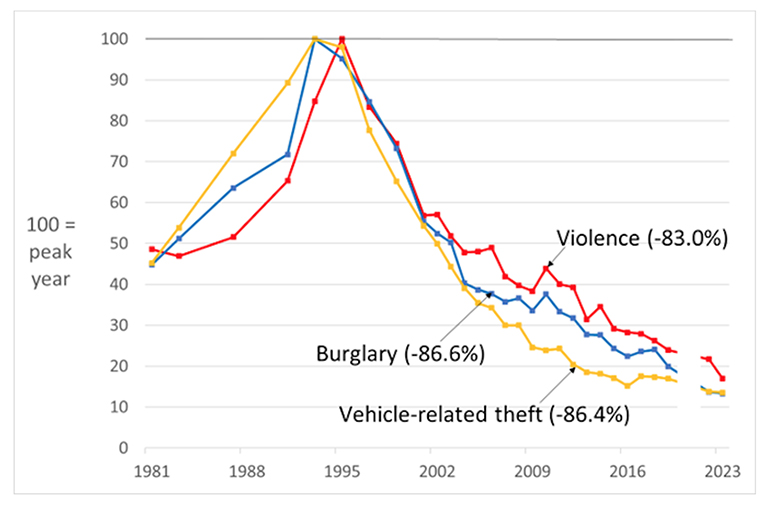
While challenges remain, the overall trend demonstrates that proactive measures, rather than punitive approaches alone, can lead to meaningful reductions in crime. For Black America, this turning point offers an opportunity to further invest in programs that strengthen families, schools, and neighborhoods, ensuring that safety gains are sustainable for future generations.
The historic drop in crime within Black communities is a reminder that systemic change, combined with community-driven solutions, can reshape long-standing narratives. As crime rates continue to decline, Black Americans are showing resilience and leadership in creating safer, more prosperous neighborhoods, challenging stereotypes and setting the stage for a brighter future.
—Barrington Williams, B1Daily






Leave a comment