—Travis Luyindama, B1Daily
There is something deeply disturbing about opening a social-media app and unexpectedly watching a Black person die.
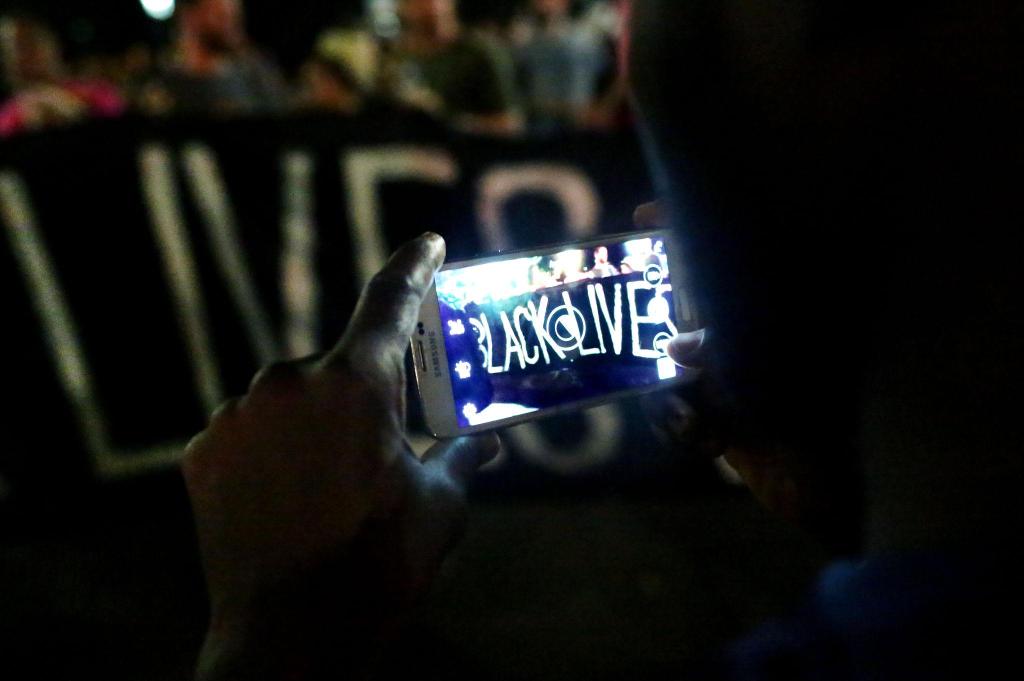
A police shooting. A beating. A body lying in the street. Someone’s final moments captured on a cellphone and then copied, reposted, clipped, autoplayed and shoved into millions of feeds.
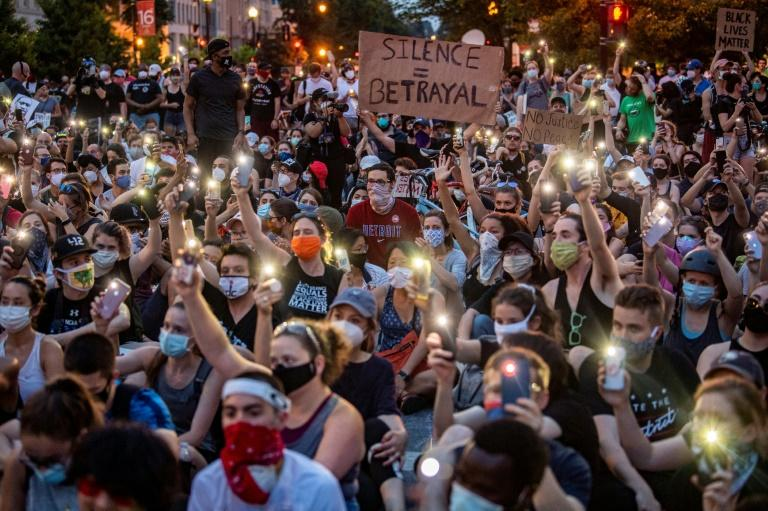
The original upload may document an injustice. Sometimes such footage becomes crucial evidence and forces events into public view that authorities might otherwise minimize. But somewhere between documenting violence and endlessly distributing somebody’s death, social media has created an ethical disaster.
And Black Americans have every reason to ask whether their dead are being treated with enough dignity.
Black Death Shouldn’t Become Algorithmic Entertainment
Videos documenting the deaths or brutalization of Black Americans have played an undeniable role in modern civil-rights activism. Recordings can expose misconduct, contradict official narratives and provide evidence.
But documentation does not require unrestricted circulation.
A person shouldn’t scroll through a feed and suddenly encounter someone’s final seconds without choosing to see them. Families shouldn’t have to watch the death of a loved one become reaction videos, reposts and engagement bait.
These aren’t movie scenes.
These are human beings.
The solution doesn’t have to be erasing evidence from the internet. Platforms could preserve newsworthy material while placing graphic footage behind warning screens, disabling autoplay, limiting recommendations, blurring thumbnails and making viewers deliberately choose to see disturbing material.
Platforms Already Know How to Restrict Graphic Content
Major platforms already maintain policies against at least some graphic violence. YouTube, for example, prohibits violent or gory material intended primarily to shock or disgust, while allowing some material with sufficient news, documentary, educational or public-interest context. It can also age-restrict violent material rather than remove it entirely. Google Help
That makes the bigger question one of enforcement and design.
A video can have legitimate journalistic importance without an algorithm repeatedly injecting it into people’s feeds. Preserving historical evidence and protecting viewers are not mutually exclusive.
Social-media companies built extraordinarily sophisticated systems capable of identifying copyrighted songs, targeting advertisements and predicting what users will watch next. Surely those same technological empires can devise better ways of handling footage depicting someone’s death.
There Is a Historical Weight Here
For Black Americans, images of racial violence carry an especially ugly historical resonance.
America once turned lynchings into public spectacles. Photographs circulated. Postcards were produced. Black suffering could become something consumed by spectators.
Today’s technology is radically different, but there is an uncomfortable echo whenever footage of a Black person’s violent death becomes endlessly replayable content.
The purpose may be awareness. The result can still become dehumanizing.
There should be a difference between “The public needs to know this happened” and “The public needs to watch this person die.”
Give the Dead Their Dignity
Social-media companies should adopt a simple principle: documentation should not automatically mean amplification.
Keep evidence accessible when there is legitimate public interest. Allow journalists, researchers and activists to discuss what happened. But graphic death footage should receive strong warnings, obscured previews and restrictions preventing algorithms from casually recommending it to unsuspecting viewers.
And these standards should be enforced consistently regardless of the victim’s race. There isn’t sufficient evidence to simply conclude that platforms intentionally censor deaths involving other racial groups while deliberately permitting Black deaths. The stronger criticism is that existing moderation systems can still leave Black users repeatedly exposed to traumatic imagery involving people who look like them.
Black death should never become another commodity in the attention economy.
A dead person is not “content.”
A family’s worst moment is not an engagement metric.
And Black dignity should not disappear simply because somebody pressed Record.
—Travis Luyindama, B1Daily




Leave a comment