—Kerry Hill, B1Daily
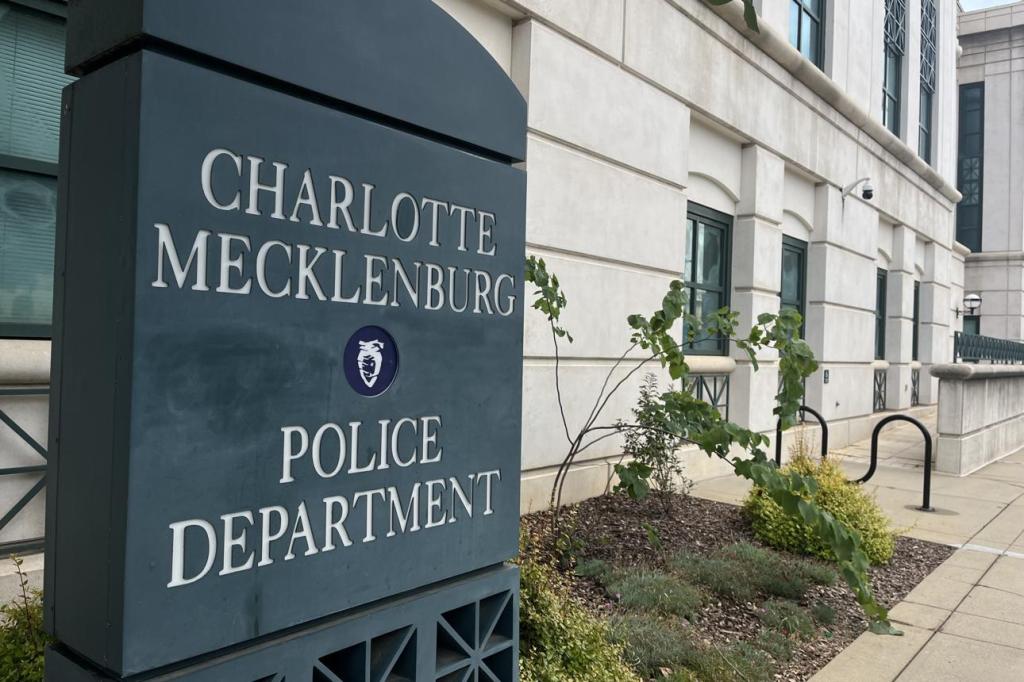
The Charlotte-Mecklenburg Police Department has publicly identified six officers implicated in a racist group-text scandal, and the allegations are every bit as disturbing as the public feared. Investigators uncovered messages reportedly involving racial slurs, derogatory comments about Black residents, and even an alleged competition over which officer could stop the most Black motorists.
These were not anonymous internet trolls hiding behind fake accounts. They were sworn law enforcement officers entrusted with policing the very communities allegedly being ridiculed in their private conversations.
The six officers identified by CMPD are Mateo Juarez, Joseph Kelly, Alexander Larsen, Tredan Maronic, Matthew Osborn, and Jeremiah Todman.
The Six Officers Named
According to personnel information released by CMPD, the officers cited for termination were:
- Mateo Juarez, 26: Resigned October 15, 2026, in lieu of termination.
- Joseph Kelly, 29: Resigned October 11, 2026, in lieu of termination.
- Alexander Larsen, 26: Resigned October 19, 2026, in lieu of termination, according to updated reporting.
- Tredan Maronic, 24: Resigned October 13, 2026, in lieu of termination.
- Matthew Osborn, 31: Resigned October 12, 2026, in lieu of termination.
- Jeremiah Todman, 25: Remains suspended without pay pending Civil Service Board review.
A seventh officer, Seth Elliott, was also identified as connected to the group chat. Elliott resigned in August after being arrested in a separate investigation involving alleged misuse of the Flock surveillance-camera system. That investigation reportedly led authorities to discover the messages.
Allegedly Turning Black Motorists Into a Competition
According to WBTV’s investigative reporting, the group conversation allegedly contained repeated use of anti-Black racial slurs and discussion of a competition to see which officer could pull over the most Black drivers. Reports also described offensive statements involving firearms, sexual bias, and religious prejudice.
One reported message compared the conversation to a Klan rally.
If accurately documented, such conduct raises questions far beyond whether the officers violated department policy. It raises concerns about racial profiling, discriminatory traffic enforcement, and whether Black residents received fair treatment during encounters with these officers.
The department has not publicly established that every named officer personally authored every reported statement, and the allegations do not by themselves prove that any particular traffic stop was unlawful.
Nevertheless, the seriousness of the reported communications demands a comprehensive review.
Resignation Cannot Be the End of Accountability
Police Chief Estella Patterson has condemned the alleged conduct and supported efforts to remove the officers from law enforcement. The department is reviewing body-camera footage, traffic stops, arrest records, and other evidence to determine whether misconduct extended beyond the group conversation.
Federal authorities have also been asked to examine potential civil rights violations.
That review matters because officers entrusted with enforcing the law cannot be permitted to turn racial prejudice into an unofficial policing strategy.
If investigators uncover discriminatory stops, unlawful searches, or other constitutional violations, those findings should be addressed through appropriate disciplinary, civil, and criminal processes.
The public also deserves to know whether supervisors missed warning signs and whether any questionable enforcement actions affected criminal prosecutions.
Black Communities Deserve Answers
The discovery of this group chat should alarm every Charlotte resident who expects police officers to enforce the law impartially.
For Black motorists, the allegation of officers competing over traffic stops is particularly troubling. A routine drive to work, school, or the grocery store should never become an opportunity for an officer to score points in a racist conversation.
The six officers have now been publicly identified. But publishing their names is only the beginning.
Charlotte’s real test is whether its police department and independent investigators will determine if the prejudice allegedly expressed in private messages translated into abuses of power on public streets.
—Kerry Hill, B1Daily




Leave a Reply