—Matt Gwinta, B1Daily
Burkina Faso’s military leader, Ibrahim Traoré, has found himself at the center of another cultural controversy, this time involving synthetic wigs, imported hair extensions, and the growing movement encouraging Black women to embrace their natural hair.
Reports published by regional African outlets claim that Traoré’s government has moved to prohibit the importation of synthetic wigs and hair extensions, framing the measure as an effort to promote African beauty standards, reduce dependence on foreign products, and support local hairstyling businesses. However, an official decree confirming the reported prohibition has not been independently established.
Regardless of the policy’s status, the controversy raises an important question: Should African governments intervene in the beauty industry to protect women’s health and encourage greater confidence in natural Black hair?
The Health Concerns Behind Synthetic Hair
The synthetic hair industry is a multibillion-dollar global business, with Black women representing an important consumer market. Many products are manufactured using artificial fibers and chemical treatments, raising questions about what consumers are exposing themselves to.
Certain synthetic hair products have drawn scrutiny over potentially hazardous chemical ingredients and contaminants. Researchers and consumer advocates have called for better testing, clearer ingredient disclosures, and stronger safety standards.
However, the evidence does not establish that every synthetic wig is dangerous, and the health risks depend on the materials, manufacturing processes, and conditions of use.
For women who regularly purchase synthetic extensions, greater transparency could help them make informed decisions without sacrificing their preferred hairstyles.
Reclaiming Confidence in Natural Black Hair
Beyond consumer safety lies a deeper cultural conversation.
Black women have historically faced tremendous pressure to conform to beauty standards that favor straight hair and European-inspired appearances. Natural afros, tightly coiled hair, twists, and traditional braids have sometimes been treated as less professional or less desirable.
Those attitudes have contributed to generations of discrimination against natural Black hairstyles.
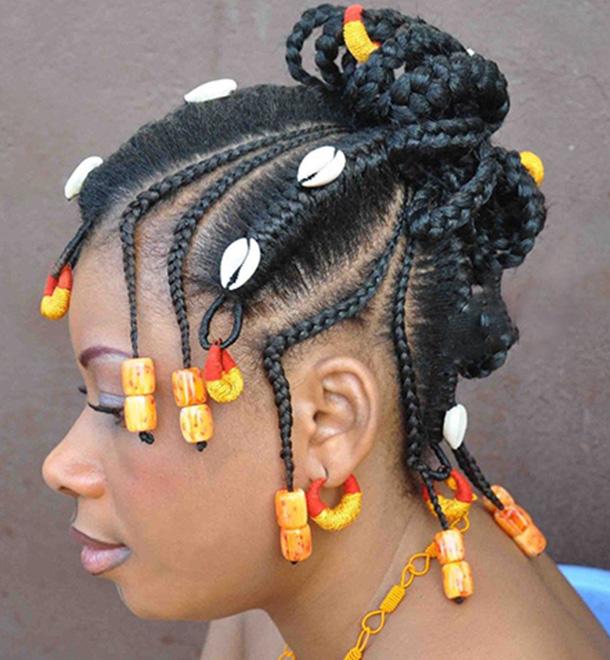
The movement to embrace natural hair challenges those assumptions, encouraging women to recognize that their own hair textures do not need to be concealed or altered to meet someone else’s definition of beauty.
Supporters of Traoré’s reported initiative see an opportunity to promote African cultural identity while supporting local haircare businesses.
But cultural pride should not become another standard imposed upon women.
Empowerment or Government Overreach?
There is a significant difference between encouraging natural hairstyles and restricting women’s access to products they voluntarily choose to wear.
Wigs and extensions serve many purposes beyond aesthetics. Some women use them as protective styles, while others wear them because of convenience, medical hair loss, or personal preference.
A government genuinely concerned about women’s well-being could strengthen product safety inspections, require chemical disclosures, invest in African-owned haircare companies, and support education about healthy hairstyling practices.
Those measures would address potential consumer risks while preserving individual choice.
The strongest argument for natural hair should be that Black women deserve to feel confident wearing it, not that they should be prohibited from wearing anything else.
A Larger Conversation About African Beauty
Whether Burkina Faso ultimately enacts a verified prohibition or pursues less restrictive reforms, the discussion exposes an important issue in the international beauty industry.
African consumers should not have to depend on poorly regulated imported products, and Black women should never feel that their natural hair is inherently inadequate.
Governments can help by supporting local entrepreneurs, enforcing meaningful safety standards, and confronting discrimination against traditional African hairstyles.
Black women’s natural hair deserves celebration, their health deserves protection, and their personal choices deserve respect. Those three principles should work together, not compete against one another.
—Matt Gwinta, B1Daily





Leave a Reply