—Sylvester Loving, B1Daily
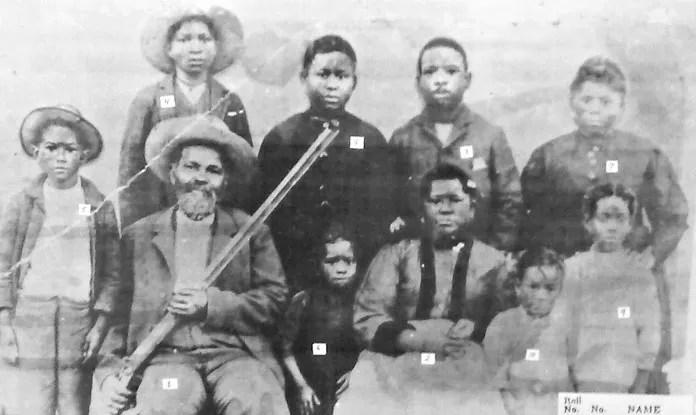
Long before Oklahoma became a state, free Black Americans were living among the Muscogee Creek people, building families, farming communities, and establishing relationships that would shape generations of Black and Native American history.
These individuals were part of a complex society that included free Black residents, people of mixed African and Muscogee ancestry, and enslaved Africans held by some Creek citizens. Their history challenges the simplistic idea that Black and Native American experiences developed entirely separately.
Free Black Communities Before Emancipation
During the eighteenth and nineteenth centuries, some African Americans escaping slavery found refuge among Creek communities in the southeastern United States. Others became integrated through family relationships, marriage, or adoption.
However, freedom was not universal. Wealthier Creek citizens increasingly adopted the plantation slavery system practiced throughout the American South. By 1860, approximately 1,500 Black people were enslaved within the Creek Nation.
Racial restrictions also intensified, targeting free Black residents and Creek people of African ancestry. The struggle between older traditions of incorporation and the growing influence of American racial slavery transformed life within the nation.
The Trail of Tears and the Treaty of 1866
During the forced removal of the Muscogee people in the 1830s, Black residents, including enslaved people, were displaced alongside them to Indian Territory, present-day Oklahoma.
Following the Civil War, the United States and the Creek Nation signed the Treaty of 1866. Its second article recognized citizenship rights for qualifying people of African descent and their descendants, including equal protection under tribal law and an interest in national lands and funds.
These were not simply outsiders seeking recognition. Many Black families had already lived within Creek society for generations.
How Black Creek Citizens Were Written Out of Their Own History
The federal Dawes Commission later separated Creek citizens into racial enrollment categories, including Creek by Blood and Creek Freedmen. People with both African and Muscogee ancestry could be classified exclusively as Freedmen, obscuring their Indigenous family connections.
Those classifications eventually became central to disputes over tribal citizenship and the rights of Freedmen descendants.
The history of the free Black people of the Muscogee Creek Nation is therefore more than a forgotten chapter of American history. It is a story of migration, slavery, freedom, family, citizenship, and the lasting consequences of racial classification.
Their ancestors helped build Creek communities, and their descendants continue fighting to ensure that their history and treaty rights are not erased.
—Sylvester Loving, B1Daily




Leave a Reply