—Michael Lyles, B1Daily
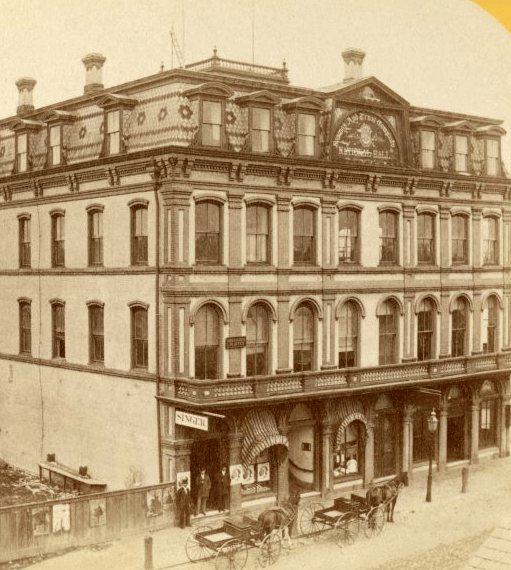
For formerly enslaved Americans, saving money offered a path toward independence: owning land, buying a home, and leaving something for their children. Established by Congress in March 1865, the Freedman’s Savings and Trust Company promised a place to build that future. Over nine years, it served roughly 70,000 depositors, many placing their first savings into its care.
Although privately operated, the bank’s congressional charter gave it an appearance of federal protection. Customers trusted an institution associated with the nation’s promise of freedom and opportunity.
That trust proved costly. After Congress loosened investment restrictions in 1870, trustees poured depositors’ money into speculative ventures and risky loans, including deals benefiting their associates. Some shifted bad loans from other banks into the Freedman’s Bank. Weak oversight allowed these practices to continue.
The Panic of 1873 exposed the bank’s fragile finances. Investments lost value, and anxious customers rushed to withdraw their savings. In March 1874, Frederick Douglass became president, hoping to restore confidence. He committed $10,000 of his own money before realizing how deeply the institution was in trouble.
By June 1874, the bank had closed. More than 61,000 depositors faced losses involving nearly $3 million. Partial repayments followed, but the process stretched over years and never made depositors whole.
Many accounts contained only $5 to $50. For families emerging from slavery, those sums represented months of sacrifice and the beginnings of financial security. Their disappearance disrupted plans for land, homes, and a more stable future.
The collapse destroyed wealth at a moment when Black Americans were working to establish economic independence. Money that might have become property or an inheritance was lost through institutional failure. The depositors had worked, saved, and planned; the institution entrusted with their future failed them.
—Michael Lyles, B1Daily



Leave a Reply