—Jermichael Evers, B1Daily
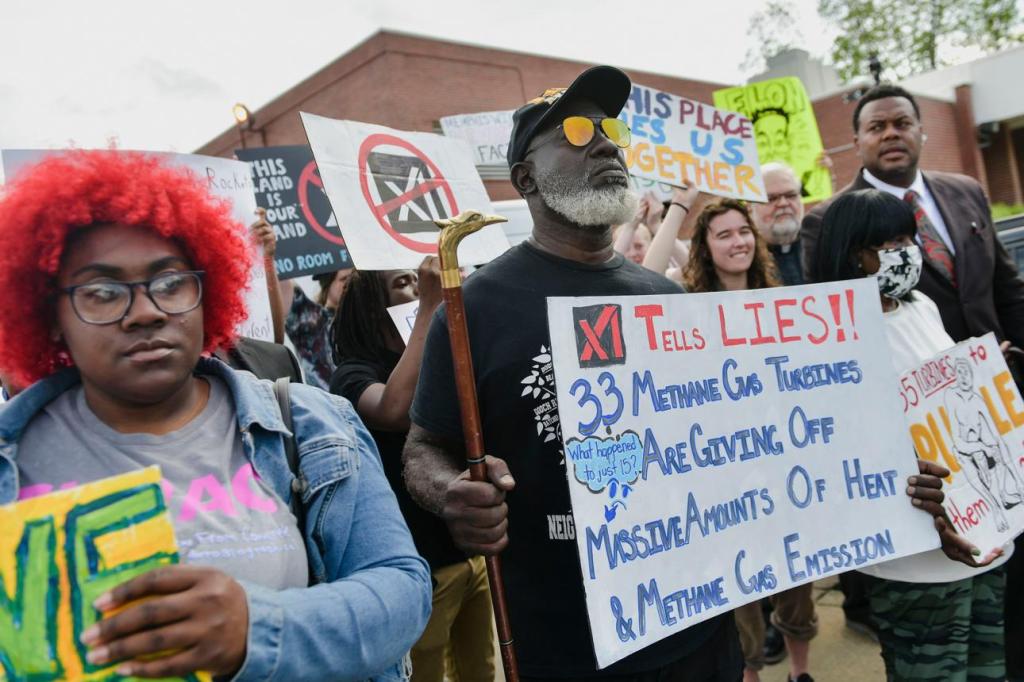
In southwest Memphis, Tennessee, a predominantly Black community is confronting one of the wealthiest men on the planet over a fundamental question: Should the artificial intelligence revolution come at the expense of Black Americans’ health?
Elon Musk’s massive xAI data center, known as Colossus, has transformed Memphis into a major hub for artificial intelligence infrastructure. But residents of nearby Boxtown and Whitehaven are increasingly questioning whether the economic benefits justify the environmental consequences.
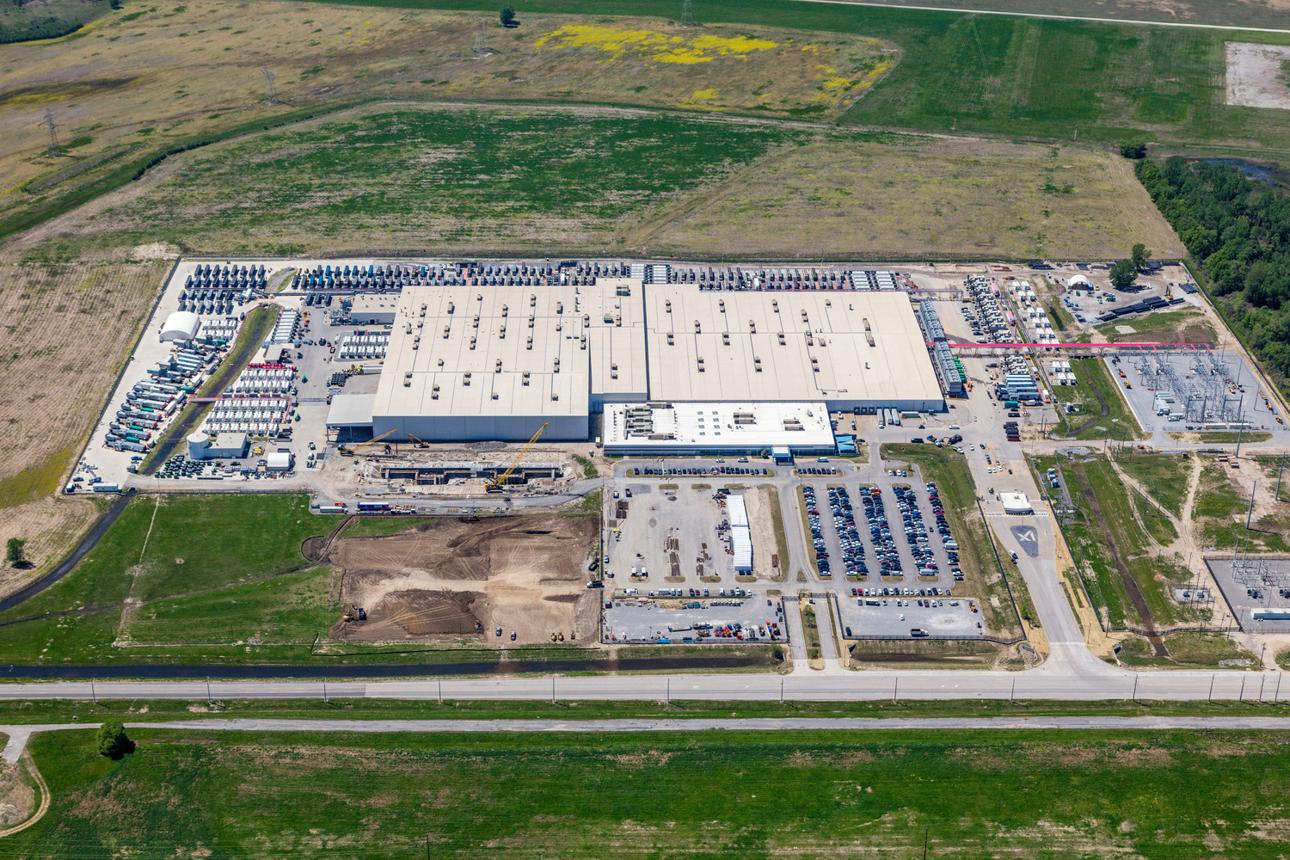
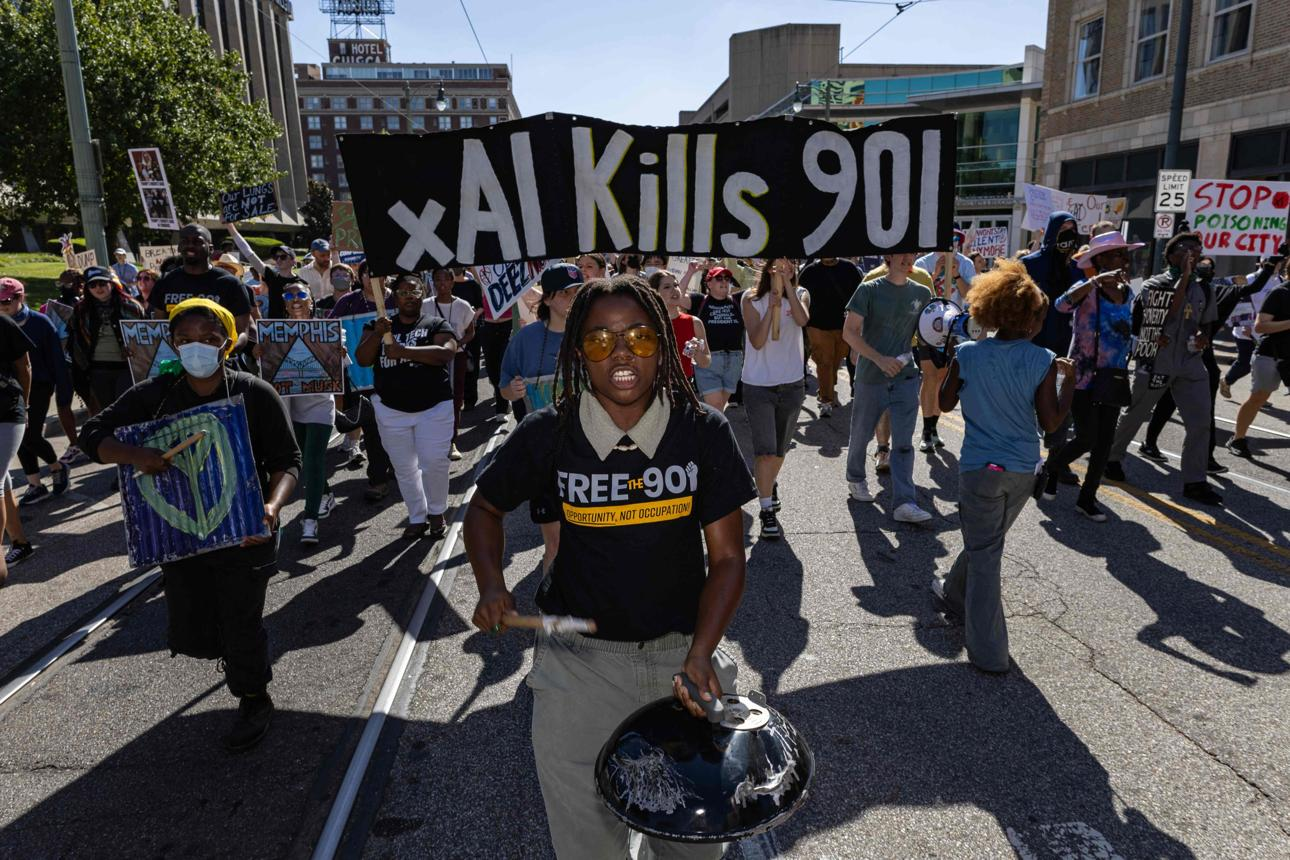
What began as local complaints about air pollution has evolved into an organized environmental justice movement involving neighborhood activists, civil rights organizations, attorneys, and hundreds of concerned residents.
And these communities are making one thing clear: Silicon Valley’s technological ambitions do not give corporations permission to disregard the people living next door.
Boxtown Has Already Endured Enough Pollution
Boxtown is a historically Black neighborhood established by formerly enslaved Americans. Its residents have spent generations living alongside industrial facilities that contribute to concerns about air quality and public health.
The arrival of xAI’s enormous computing operation has intensified those concerns.
To power its data centers, xAI installed natural gas turbines capable of generating substantial amounts of electricity. Environmental advocates argue that the turbines release pollutants, including nitrogen oxides and fine particulate matter, which can worsen respiratory and cardiovascular conditions.
Residents have reported headaches, breathing difficulties, and concerns about the quality of their air.
However, individual illnesses cannot automatically be attributed to xAI without appropriate medical and environmental investigation.
That distinction has not stopped residents from demanding independent monitoring and stronger protections.
From Ten Neighbors to Hundreds of Activists
Local organizer Alexis Humphreys has helped transform neighborhood frustration into an increasingly visible movement.
According to an October 2026 report from the United Church of Christ, the grassroots organizing effort began with approximately ten people and has grown to more than 300 participants.
Humphreys has described seeing emissions from turbines near her neighborhood and experiencing renewed asthma symptoms.
Meanwhile, Memphis Community Against Pollution, led by KeShaun Pearson, has organized residents, examined environmental data, and challenged local officials over their handling of the facilities.
In May 2026, approximately 100 residents attended a community meeting examining air-quality findings in southwest Memphis.
Environmental researchers reported concerning levels of fine particulate pollution, while city-commissioned testing had previously found no dangerous concentrations of the pollutants it examined.
The disagreement underscores why residents are demanding transparent, comprehensive environmental assessments rather than relying exclusively on assurances from government officials.
The NAACP Has Taken the Fight to Court
The opposition has expanded beyond Tennessee.
Across the state line in Southaven, Mississippi, additional gas turbines have been installed to supply electricity for xAI’s Memphis operations.
The NAACP, working with environmental attorneys, has challenged the company’s operations under the federal Clean Air Act.
In April 2026, the organization and its legal partners filed a lawsuit alleging violations involving the operation of gas turbines without required federal permits.
The legal action seeks enforcement of environmental regulations and restrictions on allegedly unlawful operations.
The company and regulators have disputed aspects of the permitting arguments, making the courts an important arena for determining responsibility.
For residents, however, the larger issue extends beyond technical compliance.
Why should working-class Black neighborhoods have to organize lawsuits simply to demand the same environmental protections that wealthier communities expect?
Memphis Residents Are Challenging City Hall
The controversy has also reached Memphis City Council.
In October 2026, residents packed a council meeting as officials debated a proposed 12-month moratorium on new data center development.
Supporters argued that the city needed time to examine the effects of large computing facilities on electricity infrastructure, water resources, public health, and surrounding neighborhoods.
Opponents warned that restricting development could discourage investment and push future projects into neighboring jurisdictions.
The meeting became heated after council members postponed consideration of the proposal.
The confrontation demonstrated how deeply the issue has divided local politics.
For some officials, data centers represent economic development and technological prestige.
For residents concerned about pollution, the debate is considerably more personal.
They are asking whether their communities will receive meaningful economic benefits or simply inherit another generation of industrial burdens.
Black Communities Should Not Become Sacrifice Zones
The Memphis controversy reflects a broader national problem.
Large technology companies require enormous amounts of electricity, water, and physical infrastructure to operate increasingly powerful artificial intelligence systems.
Those demands can place additional pressure on local utilities and surrounding communities.
When facilities are concentrated near neighborhoods already burdened by industrial pollution, the environmental consequences can become particularly troubling.
Black communities have historically experienced disproportionate exposure to certain environmental hazards, including industrial emissions and contaminated sites.
The concern in Memphis is that a familiar pattern could be repeating itself under the banner of technological progress.
There is nothing inherently wrong with building data centers or expanding artificial intelligence infrastructure.
But development should not require communities to accept preventable pollution, inadequate public consultation, or uncertain health risks.
Economic Development Must Include Environmental Accountability
Supporters of xAI’s Memphis investment point to potential jobs, infrastructure improvements, and the city’s growing importance in the technology sector.
Those benefits deserve consideration.
But economic development cannot be measured exclusively through corporate investment announcements.
It must also account for public health, environmental protection, infrastructure costs, and the quality of life of surrounding residents.
Memphis officials should require comprehensive emissions monitoring, transparent reporting, enforceable pollution controls, and meaningful community participation in future permitting decisions.
Where environmental violations are established, regulators should impose appropriate penalties and require corrective action.
And if the company’s facilities cannot operate within applicable environmental standards, their operations should be restricted until compliance is achieved.
Memphis Is Sending a Message to Big Tech
The residents of Boxtown and Whitehaven are not simply protesting a building filled with computer processors.
They are challenging a development model that can prioritize corporate expansion while leaving nearby communities struggling to obtain basic information about environmental risks.
Their organizing has already attracted national attention, inspired legal challenges, and forced local politicians to confront questions they might otherwise have preferred to avoid.
Whether the movement ultimately succeeds in changing xAI’s operations remains uncertain.
But its significance is undeniable.
Black Americans should not have to choose between technological progress and breathable air.
If Elon Musk’s artificial intelligence empire wants to operate in Memphis, it should be prepared to demonstrate that its facilities can coexist responsibly with the people who already call the city home.
Because the future of artificial intelligence should not be built by treating historically Black neighborhoods as expendable.
And Memphis residents are organizing to make sure that message is heard.
—Jermichael Evers, B1Daily




Leave a Reply