—Barrington Williams, B1Daily
Imagine paying $30,000 to have someone point a gun at you, rob you, and then call the police.
Not because you actually want to become a victim of violent crime, but because you want immigration authorities to believe you are one.
That was the business model behind an extraordinary visa fraud operation uncovered by federal investigators.
On October 23, 2026, the Justice Department announced that Parth Nayi, a 29-year-old Illinois resident, had been sentenced to two years in federal prison for organizing staged armed robberies designed to help foreign nationals fraudulently apply for U visas.
According to prosecutors, thousands of participants paid between $5,000 and $30,000 each to participate in the scheme.
The operation raises serious questions about immigration fraud, criminal accountability, and the exploitation of a federal program originally established to protect vulnerable crime victims.
A Criminal Enterprise Built Around Fake Victims
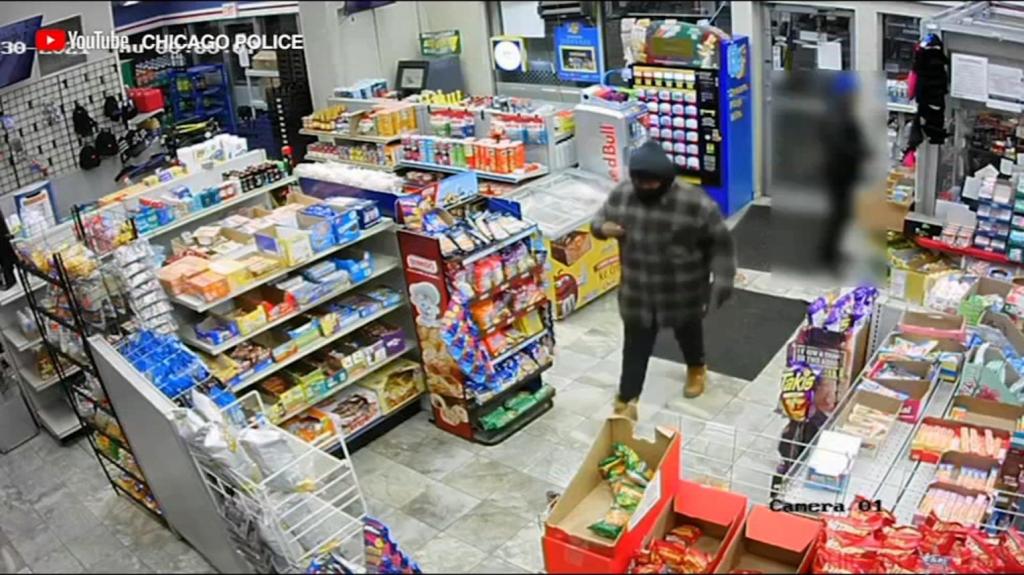
Between 2022 and 2024, Nayi helped organize hundreds of staged armed robberies at restaurants, coffee shops, liquor stores, and gas stations across the United States.
The operation was remarkably elaborate.
Federal prosecutors said organizers recruited people willing to pretend to be robbery victims, arranged locations with cooperating business owners, and hired individuals to portray armed criminals.
Participants would then report the fabricated crimes to law enforcement, seeking official documentation that could support immigration applications.
The supposed victims were not innocent bystanders caught in unfortunate circumstances.
According to federal investigators, they were paying customers purchasing a manufactured criminal experience.
And the prices were staggering.
Some participants allegedly paid as much as $30,000 for the opportunity to claim they had been victimized.
That money purchased participation in a fraudulent scheme, not a guaranteed visa approval.
The U Visa Program Was Created for Real Victims
The U nonimmigrant visa program was established to protect qualifying foreign nationals who suffer substantial physical or mental abuse as victims of certain crimes and assist law enforcement investigations or prosecutions.
Its purpose is straightforward.
Victims who might otherwise fear contacting authorities can report serious crimes and cooperate with investigators without automatically sacrificing their immigration prospects.
The program has been particularly important for victims of domestic violence, sexual assault, trafficking, and other qualifying offenses.
But the fraud operation exploited the program’s central premise.
By manufacturing crimes and presenting themselves as victims, participants attempted to obtain immigration benefits through deception.
That distinction matters because legitimate U visa applicants may already face lengthy processing delays.
Fraudulent applications can consume investigative and administrative resources while undermining confidence in a program intended to help genuine victims.
Thousands of Participants, Hundreds of Fake Robberies
Federal prosecutors described Nayi as a central organizer in hundreds of staged robberies.
The operation extended throughout the Chicago metropolitan area and into other parts of the country.
Investigators said Nayi coordinated participants, compensated accomplices, arranged business locations, and coached supposed victims.
The elaborate planning suggests that this was not an isolated incident involving one dishonest applicant.
It was an organized enterprise designed to manufacture immigration claims on a substantial scale.
Nayi pleaded guilty to conspiracy to commit visa fraud.
U.S. District Judge Mary Rowland sentenced him to two years in federal prison and imposed a $50,000 fine.
Five other individuals were also convicted in the federal investigation.
The sentence raises an additional question: Is two years of imprisonment sufficient punishment for an organizer involved in hundreds of fabricated violent crimes and thousands of purported victims?
Kansas City Exposed Another Fake Robbery Operation
The Chicago investigation was not the only case involving staged crimes and immigration applications.
In July 2026, federal prosecutors in Missouri announced that Jose Luis Morales Salgado had been sentenced to 21 months in prison for participating in a separate U visa fraud conspiracy.
Investigators identified 11 staged robberies involving 33 purported victims. Eighteen of those individuals submitted fraudulent U visa applications, according to court records.
The Kansas City operation was particularly alarming because participants staged violent roadside encounters that included actual gunfire.
Police eventually connected the incidents through ballistic evidence and surveillance records.
These cases demonstrate that criminals have found ways to exploit the immigration system by manufacturing evidence of victimization.
However, the existence of these schemes does not establish that U visa fraud is widespread among immigrants generally. Determining its overall prevalence would require reliable national data.
Fraud Has Consequences Beyond Immigration
Fake criminal reports do more than deceive immigration officials.
They can waste police resources, divert investigators from genuine crimes, and undermine public confidence in crime reporting.
When organizers involve businesses, staged weapons, and fabricated victims, they also create risks for employees, customers, and responding officers.
Meanwhile, genuine victims depend on law enforcement agencies taking their reports seriously.
A system overwhelmed by fraudulent claims risks becoming less responsive to the people it was designed to protect.
That is why immigration fraud should be prosecuted aggressively without treating legitimate applicants as presumptively dishonest.
Congress Needs to Examine the Vulnerabilities
The federal government has an obligation to protect the integrity of humanitarian immigration programs.
That means investigating organized fraud networks, prosecuting those who knowingly submit false claims, and improving coordination between immigration authorities and criminal investigators.
It also means distinguishing between genuine victims and individuals who deliberately manufacture criminal incidents.
A legitimate applicant should not lose protection because someone else exploited the system.
But individuals who knowingly participate in staged crimes to obtain immigration benefits should face appropriate criminal and immigration consequences under the law.
The same standard should apply to organizers, accomplices, and businesses that knowingly facilitate these schemes.
When Victimhood Becomes a Commodity
The most disturbing aspect of the Nayi case is the commercialization of victimhood.
A federal program designed to protect people harmed by serious crimes became the target of an enterprise selling fraudulent victim status for thousands of dollars.
The scheme converted fake robberies into a business opportunity and attempted to transform fabricated police reports into immigration benefits.
When someone can charge $30,000 to manufacture a crime victim, the problem is no longer merely an individual false application. It is an organized attack on the integrity of a public protection program.
The Justice Department has demonstrated that these operations can be uncovered and prosecuted.
Now federal authorities must ensure that fraud investigations protect the U visa program rather than destroy its usefulness to genuine victims.
Because immigration protection should never be something criminals can sell through staged violence and manufactured evidence.
—Barrington Williams, B1Daily



Leave a Reply