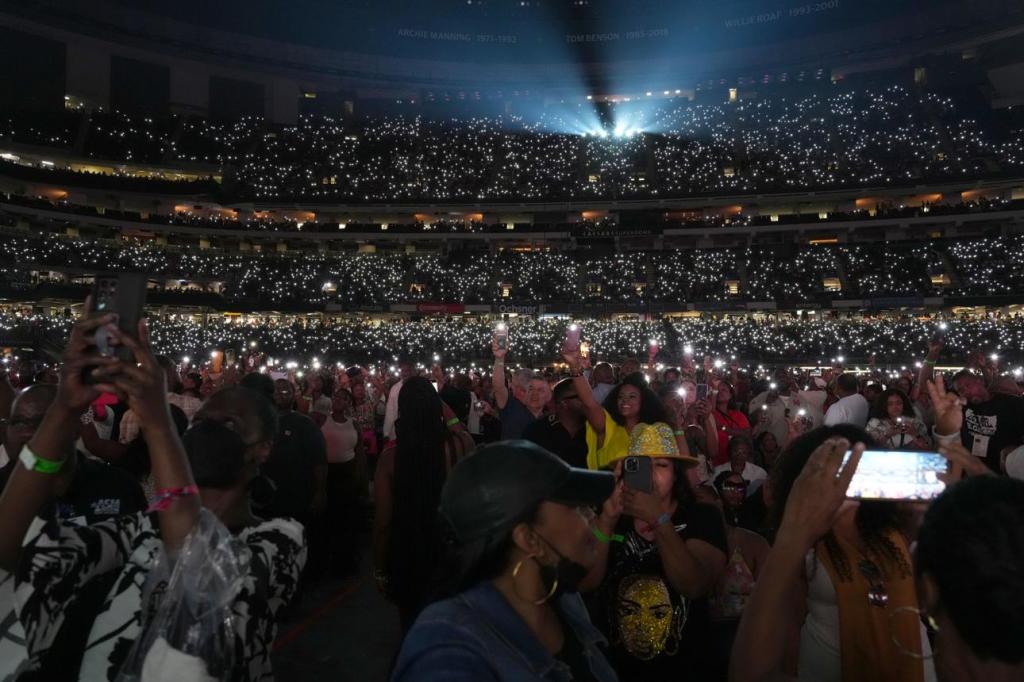
—Vanessa Edwards, B1Daily
New Orleans may be approaching a cultural crossroads, and Foundational Black Americans should be paying very close attention.
After more than three decades of hosting the Essence Festival of Culture, the city is confronting an uncomfortable question: What happens when one of America’s most recognizable Black cultural celebrations can no longer guarantee timely payments to its vendors or secure a new agreement with its longtime host city?
Reports of unpaid contractors, strained negotiations, and the possibility of Essence relocating to Houston or Atlanta have created an opening that few anticipated.
Perhaps it is time for Foundational Black Americans, also known as American Freedmen, to establish a festival of their own, built around their history, culture, economic interests, and community ownership.
Essence Has a Vendor Problem, and New Orleans Has Had Enough
The controversy surrounding Essence Festival is no longer limited to dissatisfied concertgoers or organizational headaches.
According to recent reporting, festival organizers have faced payment problems for two consecutive years.
Earlier in 2026, New Orleans officials learned that the festival still owed the Ernest N. Morial Convention Center nearly $400,000 and three local vendors approximately $3.8 million combined for services associated with the 2025 event. Essence subsequently announced payment agreements.
Now, additional vendors have reported delayed payments following the 2026 festival, raising questions about the organization’s financial management.
Essence’s parent company, Sundial Media & Technology Group, maintains that more than 90% of its 2026 vendors have been paid in full and that arrangements exist to compensate the remainder. The company also says all 2025 vendors were eventually paid.
Nevertheless, the financial disputes have complicated negotiations with Mayor Helena Moreno’s administration.
The festival’s longstanding agreement with New Orleans expired in September, and as of late October, no new contract has been finalized.
City officials have made clear that future agreements must include stronger protections ensuring participating businesses receive their payments.
And frankly, why shouldn’t they?
A festival celebrating Black economic empowerment should never leave the businesses helping produce that celebration struggling to collect their money.
New Orleans Doesn’t Belong to Essence
Essence Festival has undoubtedly contributed to New Orleans’ tourism economy.
A Dillard University study estimated that the 2025 festival generated approximately $253 million in visitor spending and supported more than 2,400 jobs.
Those numbers matter, particularly in a city where hospitality, entertainment, and tourism remain essential economic engines.
But the economic importance of a festival does not mean its organizers should enjoy permanent control over a city’s most valuable cultural weekend.
New Orleans possesses something far more important than the Essence brand.
It possesses the cultural foundations of Black America itself.
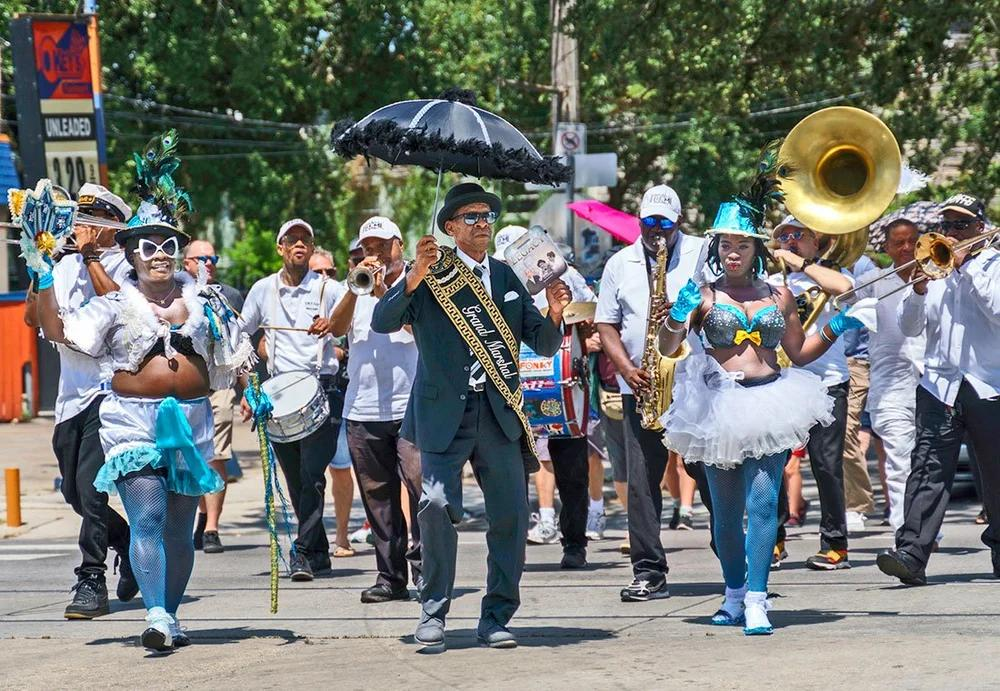
Jazz, brass bands, second-line parades, Creole traditions, Black culinary innovation, and generations of Freedmen entrepreneurship helped establish the city’s international reputation.
Much of what makes New Orleans culturally valuable was created by descendants of enslaved Americans.
That history belongs to the people and communities who built it, not to any single festival corporation.
A Foundational Black American Festival Could Be Bigger Than Entertainment
Imagine a major annual celebration dedicated specifically to the history, achievements, and economic advancement of Foundational Black Americans.
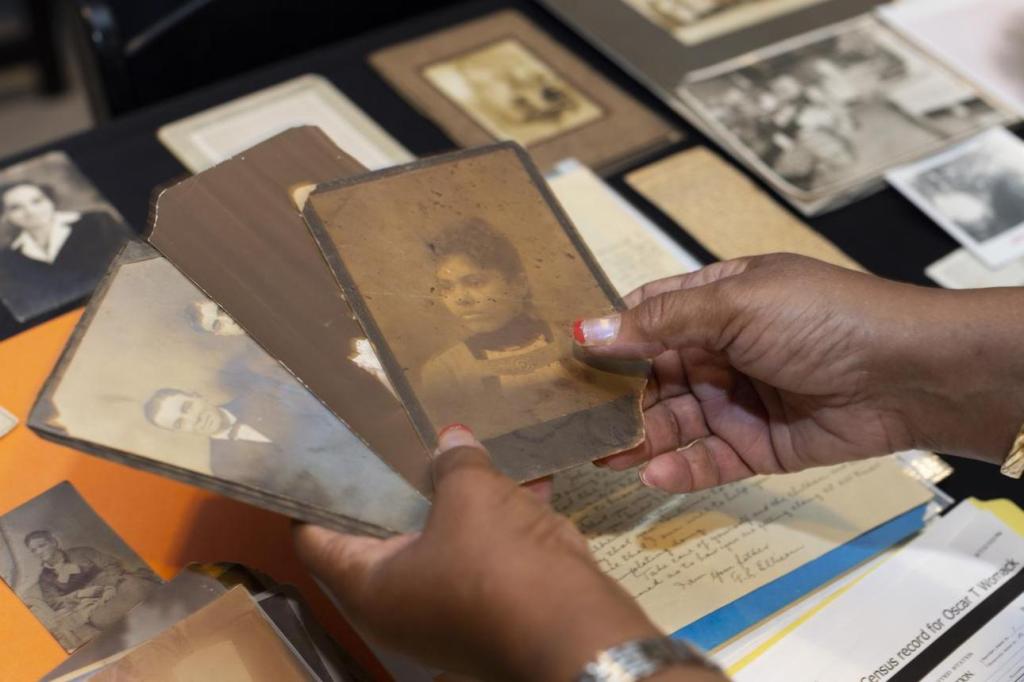
Rather than focusing primarily on celebrity performances and corporate sponsorships, the event could combine entertainment with entrepreneurship, historical education, genealogy, technology, homeownership, and discussions about reparations.
Local Freedmen-owned businesses could receive priority opportunities to operate food stalls, retail spaces, and cultural exhibitions.
Historians could examine the contributions of Louisiana’s Black communities, including their roles in developing American music, cuisine, labor movements, and civil rights organizations.
Musicians, filmmakers, writers, and independent artists could showcase their work without relying exclusively on major entertainment corporations.
Most importantly, the festival could establish transparent vendor contracts, independent financial oversight, and payment guarantees.
A cultural celebration that promotes Black economic independence should demonstrate that commitment through its business practices.
But Replacing Essence Would Require More Than a Good Idea
There is one enormous obstacle.
Organizing a festival capable of replacing Essence would require substantial financing, experienced management, major sponsors, reliable security, and coordination with city officials.
A new festival could not simply announce itself as a Freedmen alternative and expect hundreds of thousands of visitors to appear.
It would need a credible business plan and a governing organization accountable to its participating communities.
Organizers would also have to demonstrate that vendors could be paid promptly, performers could be booked reliably, and taxpayers would not be left subsidizing irresponsible financial decisions.
The goal should not be to recreate Essence under another name.
It should be to establish something more accountable, locally rooted, and economically beneficial.
A Cultural Opportunity That Shouldn’t Be Wasted
New Orleans officials have already indicated their interest in maintaining a major Black cultural festival during the Fourth of July holiday weekend, even if their relationship with Essence changes.
That creates a potentially significant opportunity for organizers willing to present a serious alternative.
A Foundational Black American festival would not need to exclude visitors or participants from other backgrounds. Its defining feature would be its focus on preserving and advancing the distinct historical and cultural legacy of Black Americans descended from U.S. slavery.
That distinction matters.
Black American culture has generated extraordinary wealth for entertainment companies, tourism industries, and corporations.
Yet the communities responsible for creating much of that cultural value have not always enjoyed proportional ownership or financial benefits.
A new festival could begin addressing that imbalance.
The real question is not whether Foundational Black Americans deserve their own national cultural celebration. They unquestionably have the history, talent, and economic influence to support one.
The question is whether they can organize the financing, leadership, and infrastructure necessary to make it successful.
Essence may ultimately resolve its financial disputes and secure another agreement with New Orleans.
But its current difficulties have exposed something worth considering.
No corporation should be indispensable to the celebration of Black American culture.
And if New Orleans is preparing to consider alternatives, Foundational Black Americans should be prepared to make their case.
—Vanessa Edwards, B1Daily




Leave a Reply