—Kerry Hill, B1Daily
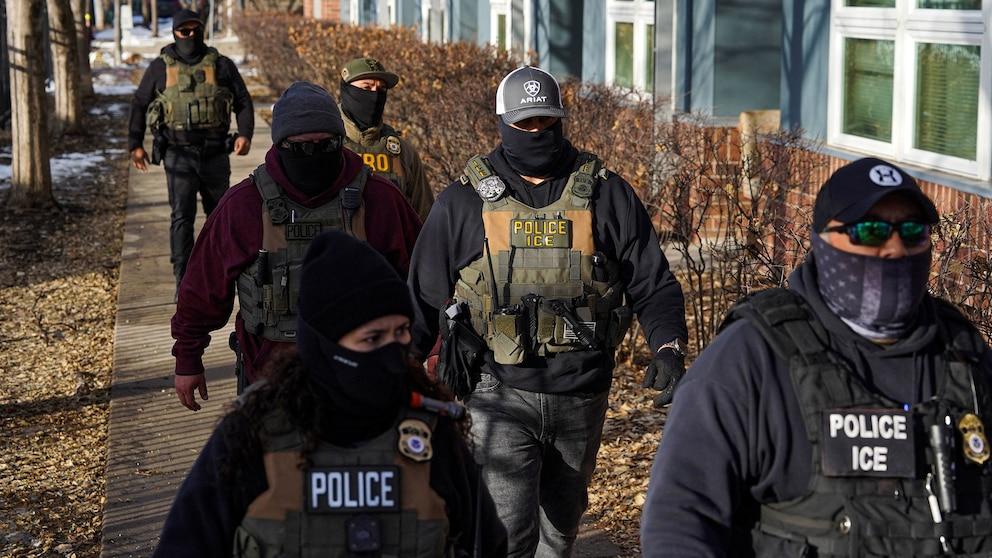
The Department of Homeland Security is facing a massive cybersecurity embarrassment after hackers exposed information associated with more than 41,000 federal employees and contractors, including approximately 10,000 records connected to Immigration and Customs Enforcement and its investigative division.
The stolen information was published online October 28, 2026, in a searchable collection known as Icepick, revealing details about personnel across several Homeland Security agencies.
Now, the federal government is attempting to contain the fallout, but the effort has ignited a fierce debate over government secrecy, employee safety, and the public’s right to scrutinize federal law enforcement.
A Massive Window Into Homeland Security
The leaked records reportedly include employee names, job titles, government email addresses, workplace telephone numbers, office locations, and organizational information.
Approximately 21,000 records are associated with Customs and Border Protection, while roughly 10,000 are connected to ICE and Homeland Security Investigations.
Other affected agencies include U.S. Citizenship and Immigration Services and the Cybersecurity and Infrastructure Security Agency.
The records also contain references to internal access groups associated with surveillance technology, facial recognition systems, and investigative operations.
Although the leak provides an unusually detailed picture of DHS’s organizational structure, it does not establish that every individual named personally used the technologies referenced in those records.
The full circumstances surrounding the breach remain under investigation.
Hackers Claim They Were Exposing Government Secrecy
A group calling itself the Department of Peace claimed responsibility for obtaining the information.
The records were subsequently distributed through the transparency organization Distributed Denial of Secrets, with a separate searchable interface developed by cybersecurity researcher and journalist maia arson crimew.
The hackers portrayed their actions as retaliation against the government’s extensive collection of information about the public.
Their argument centers on an uncomfortable contradiction: federal immigration agencies possess enormous surveillance capabilities while increasingly seeking to shield their own personnel from public identification.
But exposing government operations and exposing individual employees are not necessarily the same thing.
Public accountability can serve a legitimate democratic purpose. Unauthorized disclosures can also create serious risks, particularly when they reveal sensitive investigative relationships or undercover assignments.
DHS Moves to Shut Down the Database
On October 29, a cybersecurity company called ZeroFox, acting with authorization from ICE, contacted Icelandic hosting provider FlokiNET seeking removal or restricted access to the leaked information.
The company warned that the database could expose more than 40,000 identifiable individuals to harassment, stalking, and physical harm.
However, FlokiNET’s chief executive, Kolja Weber, declined to remove the material, arguing that the published records contained professional contact information rather than employees’ private home addresses or personal telephone numbers.
The searchable database briefly became unavailable before reappearing at another domain.
DHS acknowledged a potential breach and said it was working to address the security concerns.
The incident demonstrates how difficult it has become for governments to contain information once sensitive records have circulated across the internet.
The Bigger Controversy: Government Surveillance
Perhaps the most politically explosive aspect of the leak is what it reveals about DHS’s internal technology infrastructure.
Investigative reporting identified references to systems associated with facial recognition, digital surveillance, and other investigative capabilities.
The records reportedly include access groups linked to technologies used to analyze electronic communications and identify individuals.
Those revelations arrive amid growing criticism of federal immigration enforcement practices and the government’s use of personal information obtained from multiple sources.
Civil liberties advocates have questioned whether federal agencies possess sufficient safeguards to prevent excessive surveillance and protect Americans’ privacy.
That makes the government’s response especially controversial.
An agency entrusted with protecting sensitive information about millions of people is now struggling to protect information about its own workforce.
Transparency Does Not Justify Endangering Employees
There is an important distinction between identifying public officials for legitimate reporting and exposing information that could endanger undercover personnel or facilitate targeted harassment.
Government employees do not surrender every expectation of personal safety when they accept federal employment.
At the same time, agencies should not automatically characterize the publication of ordinary professional information as a criminal threat.
The public has legitimate reasons to know who exercises government authority, how agencies operate, and which surveillance technologies are being deployed.
Those interests must be balanced against genuine operational security concerns.
A responsible investigation should focus on institutional conduct and documented wrongdoing rather than encouraging harassment of individual employees.
A Cybersecurity Failure With Political Consequences
The incident raises serious questions about how DHS protects internal personnel directories and manages access to sensitive systems.
The hackers claimed to have obtained the records through an identity-management environment associated with Okta.
However, Okta stated that it had found no evidence its own systems or data were compromised.
Investigators have not publicly established the complete technical circumstances of the intrusion.
That uncertainty matters.
The existence of stolen records does not automatically prove that the identity-management provider itself suffered a security breach.
Nevertheless, the incident represents a significant failure to protect government information.
The Justice Department is reportedly investigating, while federal officials have warned that the exposure could increase threats against immigration personnel.
The Government Wants Privacy. Americans Want Accountability.
The political irony surrounding this breach is impossible to ignore.
DHS operates agencies with extensive investigative and information-gathering powers. Yet when information about its own personnel appeared online, the department moved quickly to restrict access.
Protecting employees from threats is a legitimate responsibility.
But protecting government personnel cannot become an excuse to avoid scrutiny of immigration enforcement, surveillance practices, or institutional misconduct.
Congress should demand answers about how the information was obtained, whether security vulnerabilities remain, and what safeguards are being implemented.
The public also deserves greater transparency about the technologies and investigative authorities being used in its name.
The DHS leak is more than a cybersecurity scandal. It is a test of whether a government that demands extraordinary access to the public’s information can demonstrate equal seriousness about privacy, security, and accountability within its own institutions.
And until those questions are answered, removing one searchable database will do little to resolve the larger controversy.
—Kerry Hill, B1Daily



Leave a Reply