—Kerry Hill, B1Daily
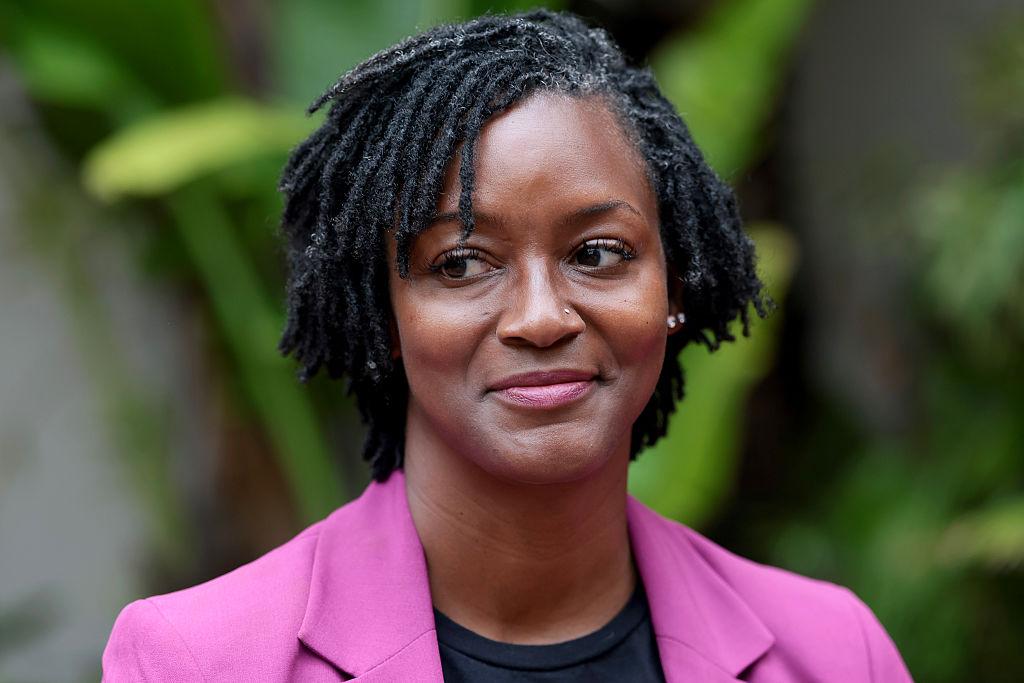
The Democratic Party emerged from the 2026 midterm elections celebrating a remarkable political comeback. But alongside those victories came the defeats of three prominent Black women: Los Angeles Mayor Karen Bass, Texas Congresswoman Jasmine Crockett, and Florida Senate candidate Angie Nixon.
Their losses have revived an uncomfortable debate about the party’s treatment of Black women candidates, particularly when fundraising, institutional endorsements, and strategic investment become decisive factors in competitive elections.
Did these candidates receive the support they needed? Or did Democratic institutions make calculations that left some Black women fighting uphill battles while resources flowed elsewhere?
Examining those differences reveals legitimate questions about who receives institutional investment, who is expected to build an independent political operation, and how Democratic leaders decide which campaigns deserve their financial backing.
Karen Bass: An Incumbent Defeated From the Left
Karen Bass made history in 2022 when she became Los Angeles’ first Black woman mayor. Four years later, she lost her reelection bid to City Council member Nithya Raman, an Indian-born immigrant whose campaign attracted strong support from younger and progressive voters.
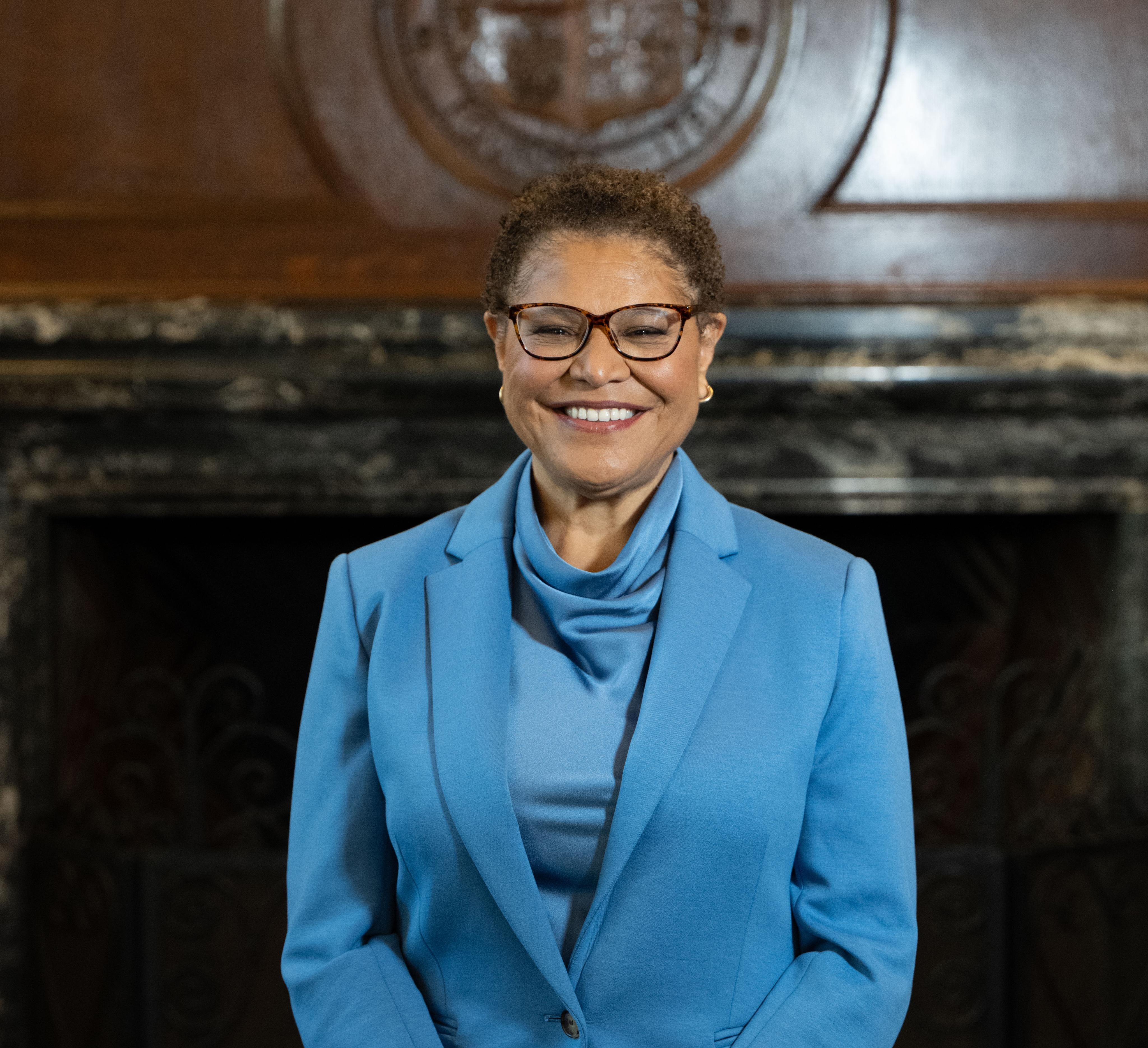
Raman defeated Bass with approximately 52% of the vote to Bass’ 48% in the count reported when Bass conceded.
But the election was not a straightforward case of the Democratic establishment abandoning Bass.
Los Angeles elected Democrats overwhelmingly supported the incumbent, while Raman entered the race without endorsements from her City Council colleagues. Raman instead built support among progressive organizations, including the Democratic Socialists of America.
The contest also involved substantial disagreements about homelessness, housing, public safety, and the direction of city government.
Bass’ defeat raises questions about whether established Democratic leaders understood the changing priorities of younger voters.
Jasmine Crockett: The Financial Divide in Texas
Jasmine Crockett’s defeat presents a different set of circumstances.
The outspoken Texas congresswoman entered the Democratic Senate primary with considerable national recognition, a loyal following, and a reputation for confronting Republicans directly.
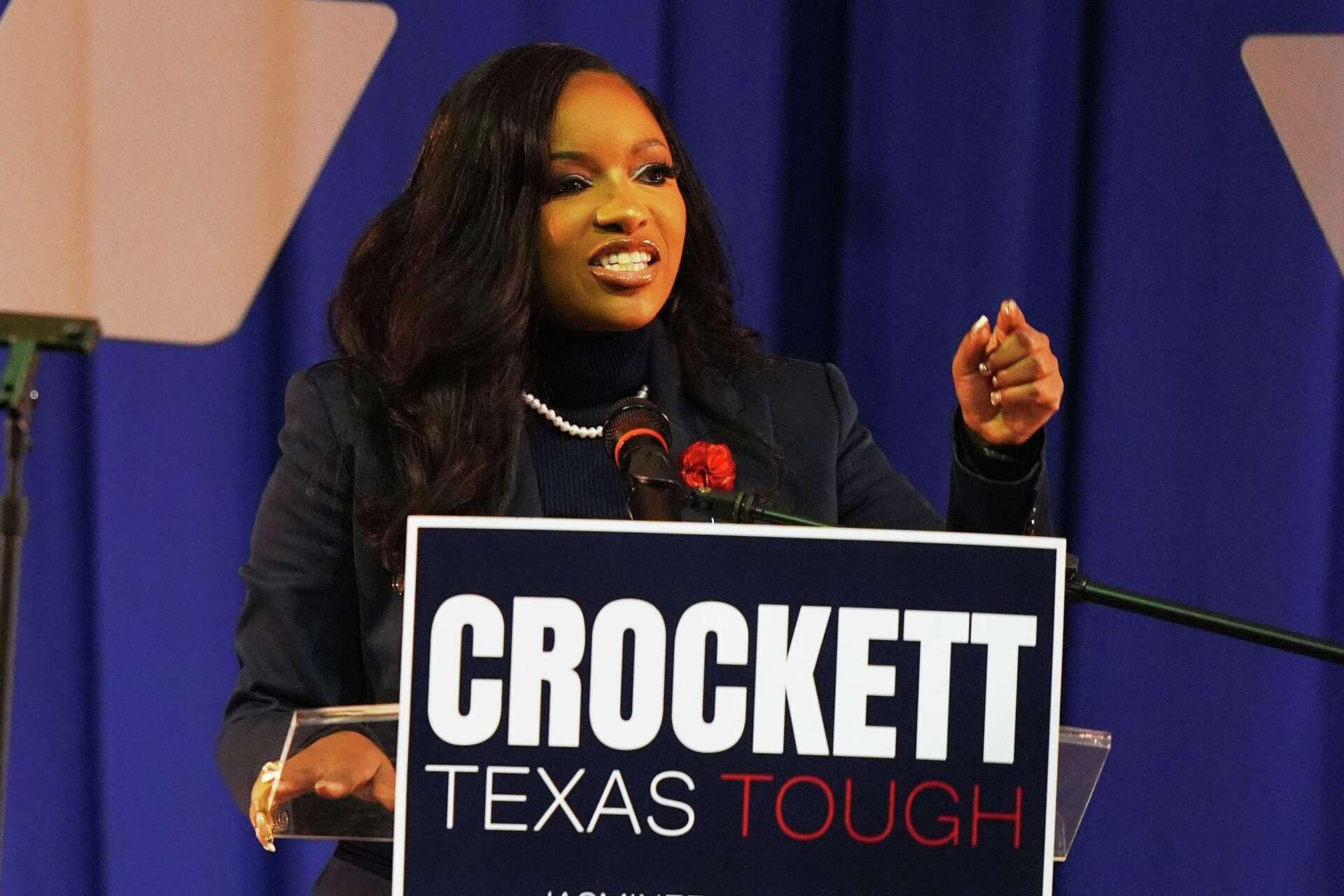
Yet state Rep. James Talarico defeated her in March after building a formidable fundraising and organizing operation.
By the end of early voting, Talarico and outside groups supporting him had outspent Crockett nearly five to one on advertising.
That disparity deserves attention.
Crockett won more than one million votes and approximately 46% of the primary electorate. Her candidacy attracted substantial enthusiasm, particularly among Black Democratic voters.
But enthusiasm alone could not overcome the organizational advantages Talarico developed.
Reporting also identified weaknesses within Crockett’s own campaign, including its late start, unconventional organizing strategy, and comparatively limited field infrastructure.
Those shortcomings complicate claims that outside financial support alone determined the result.
Still, the contrast raises an important question about political infrastructure: When prominent Black women seek higher office, are party-aligned donors and campaign professionals sufficiently willing to invest in their operations early?
The answer requires examining contribution records, endorsements, staffing, and spending decisions.
Angie Nixon: Florida’s Closest Call
Angie Nixon’s Florida Senate campaign offers perhaps the clearest example of a candidate whose performance invites scrutiny of Democratic spending priorities.
Nixon defeated Alexander Vindman in the Democratic primary despite his substantial financial advantages. Her campaign relied heavily on grassroots organizing, progressive support, and connections with working-class communities.
She subsequently challenged Republican Sen. Ashley Moody in a state where Republicans held a considerable voter-registration advantage.
Nixon lost by approximately three percentage points, receiving roughly 48% of the vote to Moody’s 51%.
Her campaign was heavily outspent, and post-election reporting indicated that major Democratic Senate political committees did not financially support her bid.
That makes Florida an important case for examining the party’s allocation of resources.
Democratic strategists may argue that national organizations must concentrate limited funds on races they consider competitive. Yet Nixon’s relatively narrow defeat invites questions about how those judgments are made and whether early assumptions about Florida discouraged investment that might have helped her campaign.
It cannot be established that additional funding would have changed the outcome. But the disparity between Nixon’s grassroots performance and her institutional financial support deserves a detailed accounting.
Kamala Harris: A Different Kind of Party Failure
The comparison with Kamala Harris requires an important distinction.
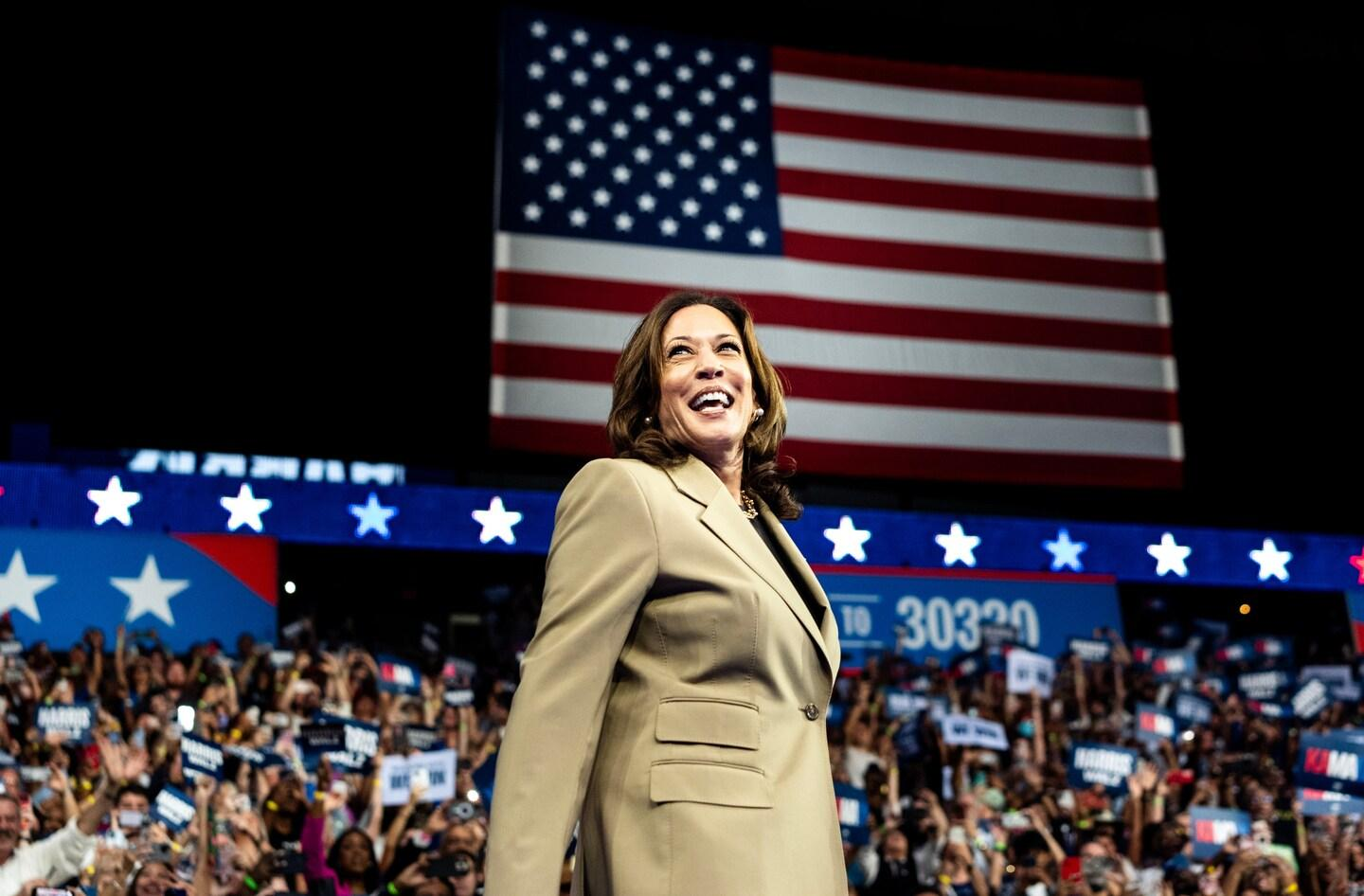
Harris did not lack major financial support during her 2024 presidential campaign. Her campaign operation and allied Democratic fundraising efforts raised extraordinary sums, with her campaign spending approximately $1.5 billion during its abbreviated presidential run.
Her defeat therefore cannot accurately be attributed to the DNC simply refusing to finance her candidacy.
The more substantial debate concerns the circumstances in which Harris became the nominee, the limited time available to establish her campaign, the political liabilities inherited from the Biden administration, and the party’s broader electoral strategy.
Harris entered the race after President Joe Biden withdrew in July 2024, leaving her approximately 15 weeks to campaign against Donald Trump.
That compressed timetable created challenges no amount of fundraising could entirely eliminate.
Questions about whether Democratic leaders prepared adequately for a presidential transition, recognized the administration’s political vulnerabilities, or gave Harris sufficient opportunity to establish an independent message remain relevant.
But those questions concern strategic preparation and institutional decision-making, not an absence of campaign financing.
The Difference Between Representation and Institutional Power
The broader issue extends beyond individual election results.
Black women have long played important roles as Democratic voters, organizers, candidates, and elected officials. Yet representation within a party does not necessarily guarantee equal influence over its financial and strategic decisions.
Campaign resources are distributed through a complicated network of national committees, state organizations, major donors, consultants, and independent political groups.
The DNC does not directly control every decision made by those organizations. Nor does every unsuccessful campaign represent a failure of national party leadership.
Still, the financial arrangements surrounding these races warrant examination.
How much did party committees invest in each candidate? Which donors and outside organizations provided support? Were campaigns offered comparable access to experienced staff and fundraising networks? And were decisions to withhold resources based on consistent, publicly defensible criteria?
Those questions can be answered through campaign finance disclosures and interviews with the people responsible for allocating resources.
What Democratic Leaders Should Have to Explain
The defeats of Bass, Crockett, and Nixon leave important questions about how Democratic campaigns are financed and supported.
Bass lost despite substantial establishment backing. Crockett lost a primary in which her opponent possessed major organizational and advertising advantages. Nixon came close in Florida after receiving limited support from national Senate political organizations.
Those are three distinct stories, but together they provide a useful starting point for examining the relationship between Black women’s political leadership and the institutions that finance Democratic campaigns.
The party’s public commitment to representation makes transparency about those decisions particularly important.
Black women candidates should not be expected to prove their value through symbolic recognition alone. Their campaigns deserve to be evaluated using the same consistent standards applied to other candidates.
Ultimately, the central question is not whether every Black woman candidate should automatically receive party backing or win every contested election.
It is whether Democratic institutions can demonstrate that their financial and strategic decisions are equitable, transparent, and responsive to the voters and communities they claim to represent.
—Kerry Hill, B1Daily





Leave a Reply