—Kerry Hill, B1Daily
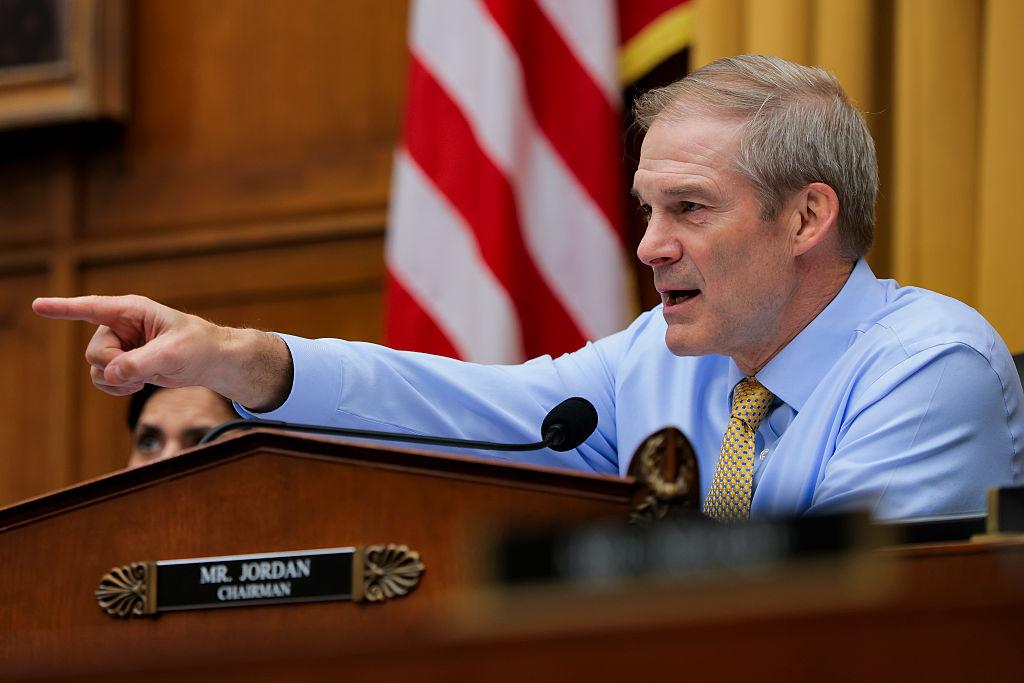
The Republican Party’s post-midterm leadership shake-up has produced a major change at the top of its House conference. Ohio Congressman Jim Jordan defeated Louisiana Republican Steve Scalise on Tuesday, securing the position of House minority leader for the incoming 120th Congress.
Jordan won the secret-ballot election 106–73, giving one of the Republican Party’s most recognizable conservative figures responsibility for leading its diminished House delegation.
The vote followed a difficult midterm election in which Republicans lost control of the House and Senate, forcing the party to reconsider its congressional leadership, political strategy, and relationship with President Donald Trump.
Jim Jordan Replaces the Old House Leadership
Jordan’s election represents a change in leadership style for House Republicans.
A founding member of the conservative House Freedom Caucus and chairman of the House Judiciary Committee, Jordan has built his congressional reputation through aggressive oversight hearings, investigations, and confrontations with Democratic officials.
His campaign for minority leader emphasized the need for Republicans to take a more confrontational approach toward the incoming Democratic majority.
Jordan argued that Republicans would need to coordinate their response to Democratic investigations while developing a broader strategy for the 2028 elections.
His victory also marks a significant reversal from 2023, when he unsuccessfully sought the House speakership following Kevin McCarthy’s removal.
This time, Republican lawmakers selected Jordan over Scalise, whose campaign emphasized his experience managing legislation, appropriations, and congressional relationships.
The result illustrates a preference among a majority of voting House Republicans for a different leadership approach following their electoral losses.
Tom Emmer Becomes the Republican Minority Whip
Minnesota Congressman Tom Emmer also secured a leadership position, defeating Texas Congressman August Pfluger to become the next House Republican minority whip.
The whip serves as the party’s principal vote-counter, helping coordinate legislative strategy and maintain support for leadership priorities.
That responsibility becomes particularly important when a party enters the minority.
Republicans will no longer control which legislation advances through the House, making internal coordination essential when negotiating with Democrats or attempting to influence closely divided votes.
Emmer brings experience from his previous leadership responsibilities and his tenure heading the National Republican Congressional Committee.
His election provides continuity within a leadership team now headed by Jordan.
Mike Johnson Steps Aside After the Republican Defeat
The transition also marks the end of Mike Johnson’s tenure as the House Republican leader.
Johnson announced after the midterms that he would not seek the minority leader position in the next Congress.
His decision opened the contest between Jordan and Scalise, two Republicans who had previously competed for the speakership.
Johnson’s departure from leadership comes after a period in which House Republicans struggled with narrow margins, internal disagreements, and difficult negotiations over federal spending.
The party’s electoral defeat added another challenge, prompting lawmakers to debate whether their leadership structure required substantial change.
Jordan now inherits the responsibility of managing those internal divisions from the minority.
John Thune Faces a Different Debate in the Senate
Across the Capitol, Senate Republicans are conducting their own leadership review after losing their majority.
South Dakota Senator John Thune entered Tuesday’s leadership proceedings seeking to remain Republican leader when the new Congress convenes in January.
Unlike the House contest, Thune faced no declared opponent in the reporting available Tuesday afternoon.
Nevertheless, several Republican senators argued that the party should postpone its leadership elections until members had more time to examine the causes of their midterm defeat.
Wisconsin Senator Ron Johnson and other lawmakers expressed concerns about moving too quickly without a broader discussion of campaign strategy, economic conditions, and voter dissatisfaction.
The disagreement reflects a central question confronting Republicans in both chambers: whether their losses require new personnel, a revised political message, or changes in policy priorities.
Republicans Prepare to Confront a Democratic Congress
The incoming Congress will present a substantially different political environment.
Democrats have regained control of the House, and Hakeem Jeffries is positioned to become the first Black speaker of the House.
Democratic control will also change the direction of congressional oversight.
Republicans who previously chaired influential committees will surrender those positions, while Democrats will gain the authority to set hearing agendas and pursue investigations into the Trump administration.
Jordan’s experience leading Judiciary Committee investigations could become central to the Republican response.
But the minority leader’s responsibilities extend beyond political confrontation.
Jordan must also manage negotiations over federal spending, legislation, committee assignments, and the competing priorities of conservative and more moderate Republican members.
The leadership transition therefore represents more than a personnel change. It will shape how congressional Republicans operate during the final two years of Trump’s presidency.
A Party Reassessing Its Future
The 2026 midterms have created a period of reassessment within the Republican Party.
Some lawmakers have called for a stronger focus on inflation, household expenses, and the economic concerns that dominated many voters’ decisions.
Others argue that Republicans must maintain a confrontational posture toward Democrats while defending the Trump administration’s priorities.
The selection of Jordan establishes who will lead that debate in the House, but it does not settle the underlying disagreements.
With Emmer serving as whip and the Senate still examining its leadership arrangements, Republicans are beginning to assemble the team that will represent them in the next Congress.
Their immediate responsibilities will include responding to Democratic legislative proposals, participating in budget negotiations, and managing their relationship with a Republican president governing alongside a Democratic-controlled Congress.
For Jordan, the transition from Judiciary Committee chairman to minority leader will require balancing his established approach to political oversight with the broader demands of congressional leadership.
For Republicans, the coming session will test how the party adapts to losing its legislative majorities while retaining control of the White House.
—Kerry Hill, B1Daily





Leave a Reply