—Sylvester Loving, B1Daily
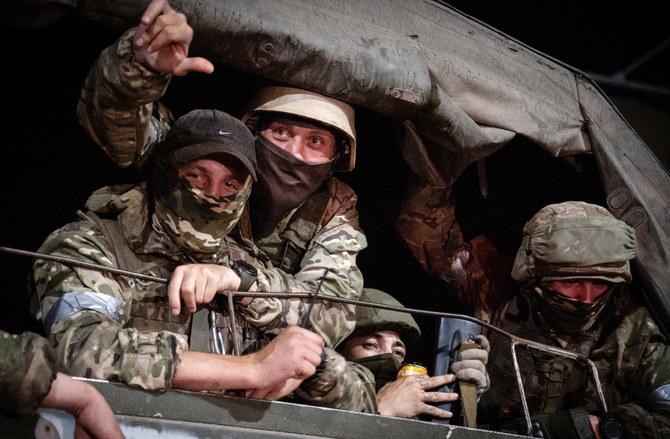
MOSCOW’S growing influence across Africa is not being built through diplomacy alone. It is also being secured through armed contractors, military advisers, intelligence operations, and access to valuable natural resources.
For nearly a decade, Russian mercenaries have embedded themselves in African conflicts, offering military assistance to governments confronting insurgencies, rebellions, and political instability.
The Wagner Group originally spearheaded these operations, but following the 2023 death of its founder, Yevgeny Prigozhin, Moscow reorganized much of the network under the Russian Defense Ministry’s Africa Corps.
The transformation brought previously semi-independent mercenary operations under more direct Russian state control.
Today, Russian military personnel and affiliated contractors operate across several African countries, including Mali, the Central African Republic, Libya, Burkina Faso, and Niger.
The central question is whether these arrangements strengthen African security or create new forms of foreign dependency.
Central African Republic: Security for Resources
The Central African Republic has become one of Russia’s most important footholds on the continent.
Russian personnel began arriving in 2017 to train government forces and assist President Faustin-Archange Touadéra’s administration in confronting armed rebel groups.
Over time, their responsibilities expanded to include presidential protection, military operations, and security assistance.
Businesses linked to Wagner also became involved in the country’s mining and timber industries.
Gold, diamonds, and logging concessions have drawn particular scrutiny from international investigators.
In November 2026, investigative organization The Sentry renewed concerns about Wagner-linked companies operating in the country’s timber sector, arguing that international regulators had failed to adequately address corruption and sanctioned business networks.
Russian security assistance has helped the government regain territory from armed groups, but allegations of civilian abuses and economic exploitation have accompanied those gains.
For a country rich in natural resources yet burdened by poverty, the arrangement raises difficult questions about who ultimately benefits from foreign military protection.
Mali: Wagner Leaves, Africa Corps Takes Over
Mali represents another major center of Russian military activity.
Following military coups in 2020 and 2021, Mali’s leadership moved away from its longstanding French security partnership and turned toward Russia.
Wagner fighters began supporting Malian military operations against Islamist insurgents and separatist forces.
In 2023, Russian assistance contributed to Mali’s recapture of Kidal, a strategically important northern city.
However, the security situation remained deeply unstable.
Wagner announced its withdrawal from Mali in June 2025, but Russia did not abandon the country. Africa Corps assumed responsibility for the mission, retaining many former Wagner personnel while operating under direct Russian military oversight.
By early 2026, approximately 2,000 to 2,500 Russian personnel were reportedly deployed in Mali.
Their continued presence has not eliminated the insurgency.
Instead, attacks by militant organizations have persisted, while human rights organizations have documented serious allegations against Russian and Malian forces.
Civilian Massacres and Allegations of War Crimes
The human rights record of Russian military operations in Africa has attracted growing international condemnation.
In August 2026, Human Rights Watch reported that Africa Corps personnel killed nine civilians, including four children, during an operation in Mali’s Mopti region.
Witnesses described armed personnel entering villages, beating residents, destroying homes, and executing civilians suspected of having connections to militant organizations.
In October, the organization documented further abuses involving Malian forces and Africa Corps personnel, including alleged torture, unlawful detention, and a drone strike that killed eight civilians.
These findings are based on witness interviews and independent investigations. They do not mean every Russian military deployment or operation has involved such conduct.
Nevertheless, the documented allegations raise serious concerns about accountability and the protection of civilians.
The responsibility for investigating abuses extends to both Russian authorities and the African governments working alongside these forces.
Burkina Faso and Niger: A New Security Alliance
Russia’s influence has also expanded into Burkina Faso and Niger.
Both countries have experienced military takeovers and increasingly strained relations with Western governments.
Their leaders have sought alternative military partnerships while arguing that previous foreign security arrangements failed to contain jihadist violence.
Russian personnel have provided training, equipment, and security assistance.
In Niger, Africa Corps personnel reportedly helped government forces repel a militant attack on the international airport in early 2026. Russian forces also assisted during a subsequent military mutiny.
These interventions demonstrate why some African governments consider Russia a valuable security partner.
However, they also illustrate how foreign troops can become deeply involved in protecting political leadership.
A government that relies on outside military personnel to maintain its authority may face difficult questions about the limits of its independence.
Libya and Sudan: Russia’s Strategic Interests
Russia’s involvement extends beyond the Sahel.
In Libya, Russian personnel have supported forces associated with eastern military commander Khalifa Haftar, providing equipment, training, and logistical assistance.
The country offers Moscow an important position near the Mediterranean and potential access to military infrastructure.
Sudan has also attracted Russian interest, particularly because of its strategic Red Sea coastline and valuable gold resources.
Wagner-linked networks previously established commercial and security relationships in Sudan, while Moscow has pursued discussions concerning naval access.
Russia’s relationships in these countries reflect a wider strategy that combines military cooperation, diplomatic influence, and access to strategic infrastructure.
For Moscow, African partnerships offer opportunities to expand its international presence while competing with Western governments.
For African states, the arrangements can provide military assistance, but they also introduce the possibility of becoming entangled in rivalries between foreign powers.
From Wagner to Africa Corps: Different Name, Similar Questions
The transition from Wagner to Africa Corps represents more than a rebranding.
Wagner operated through a complex network of military contractors and commercial enterprises with close connections to the Russian state.
Africa Corps operates under more direct government supervision, making Moscow’s institutional responsibility harder to separate from its military activities.
That distinction matters when allegations of abuses arise.
Russian officials can no longer plausibly treat the entire operation as the work of an independent private organization.
The change also illustrates how Russia has institutionalized its African security partnerships.
Rather than abandoning Wagner’s networks after Prigozhin’s death, Moscow incorporated much of their infrastructure and personnel into a more formal military system.
African Sovereignty Cannot Depend on Foreign Mercenaries
Russia is not the first foreign power to exchange military assistance for political influence in Africa.
European colonial governments, Western military contractors, and other international actors have pursued comparable strategic advantages across the continent.
The history of French intervention in the Sahel is particularly relevant, given the widespread frustration that helped drive some African governments toward Moscow.
But dissatisfaction with Western influence does not automatically make Russian intervention beneficial.
African governments have legitimate security concerns, and they retain the sovereign right to choose international partners.
The critical issue is whether those partnerships improve civilian security, strengthen national institutions, and operate under transparent agreements.
Military assistance that protects political leaders while leaving populations vulnerable to violence offers only a limited form of stability.
Similarly, resource agreements that benefit foreign-linked companies without meaningful public accountability risk reproducing patterns of exploitation that African nations have struggled against for generations.
The Price of Protection
Russia’s military expansion across Africa has created an increasingly influential network of security partnerships.
In some countries, Russian forces have helped governments reclaim territory, defend strategic installations, and resist armed groups.
In others, their presence has been accompanied by credible allegations of civilian killings, economic exploitation, and political interference.
Both realities are necessary to understanding Moscow’s role.
The long-term consequences will depend on whether African governments can establish effective oversight, protect civilian populations, and prevent foreign military assistance from becoming permanent dependency.
Africa’s security challenges are real, but so are the dangers of allowing outside powers to acquire disproportionate influence over national defense and valuable resources.
The ultimate test of these partnerships is not how many Russian soldiers arrive or how many foreign flags appear at political rallies.
It is whether African citizens become safer, their governments more accountable, and their countries more capable of determining their own futures.
—Sylvester Loving, B1Daily



Leave a Reply