—Kerry Hill, B1Daily
Donald Trump built much of his political identity around immigration enforcement, promising mass deportations, tougher border security, and an uncompromising approach toward people living in the United States illegally.
Now, following Republican losses in the 2026 midterm elections, the president is entertaining the possibility of working with Democrats on immigration reform.
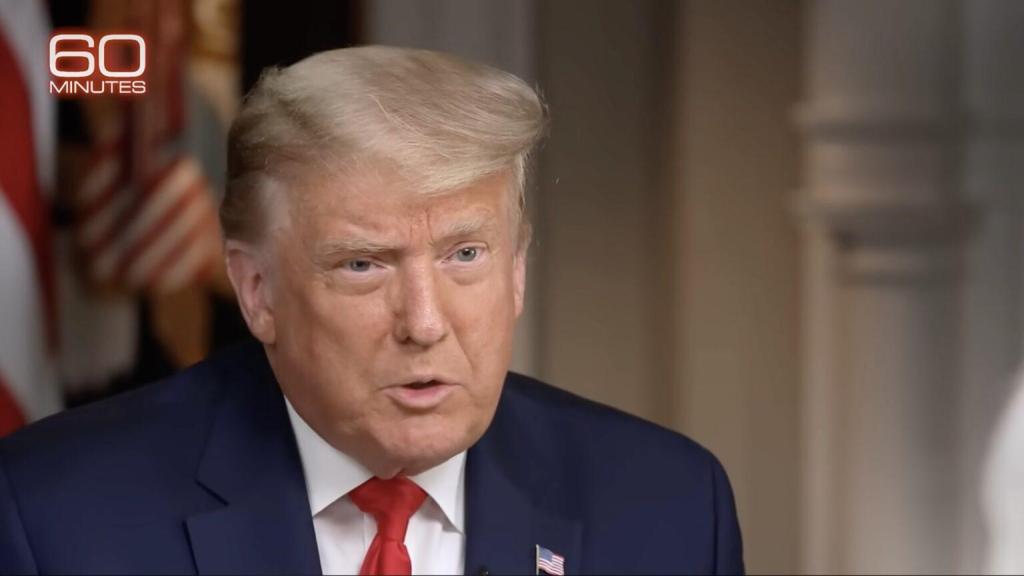
During a recent 60 Minutes interview, Trump acknowledged that his administration’s immigration crackdown might have become too aggressive. He also discussed the possibility of negotiating protections for certain longtime undocumented immigrants who have spent years working and paying taxes in the United States.
For immigration hardliners who supported Trump’s deportation agenda, those remarks raised an uncomfortable question: Is the president preparing to compromise on one of his signature campaign promises?
The Amnesty Question Returns
Trump’s comments have revived a debate Republicans have struggled with for decades.
Should undocumented immigrants who have lived in the country for years receive some form of legal status, or should immigration enforcement prioritize their removal regardless of employment history and community ties?
Trump suggested that longtime residents working in industries such as hospitality and landscaping could be considered in future negotiations.
That position resembles elements of bipartisan immigration proposals that would allow certain undocumented residents to remain legally after meeting specified requirements.
One such proposal is the Dignity Act, championed by Republican Congresswoman Maria Elvira Salazar and Democratic Congresswoman Veronica Escobar.
The legislation would provide eligible undocumented immigrants with temporary legal protections and work authorization while requiring compliance with financial and other conditions. It would not establish a general pathway to citizenship for all undocumented immigrants.
Salazar welcomed Trump’s comments, arguing that they reflected the approach behind her legislation.
But immigration restrictionists see the possibility of legalization as a departure from the enforcement-first platform that helped Trump build his political coalition.
Republicans Are Divided
The backlash illustrates a longstanding division within the Republican Party.
Business-oriented Republicans have expressed concern about the economic consequences of large-scale deportations, particularly in industries that rely heavily on immigrant labor.
Immigration hardliners argue that granting legal status to people who entered or remained in the country unlawfully would undermine enforcement and encourage future violations.
Republican Congressman Brandon Gill has criticized the Dignity Act, arguing that the party’s commitment to mass deportations was central to its electoral appeal.
The disagreement places Trump between competing Republican priorities: strict immigration enforcement, business demands for labor stability, and a potential bipartisan legislative agreement.
Trump Quickly Rejects Amnesty
The administration has since attempted to clarify its position.
Homeland Security Secretary Markwayne Mullin said bipartisan negotiations could be productive but insisted that amnesty would not be part of any agreement.
He also suggested Congress could examine permanent legal status for certain recipients of Deferred Action for Childhood Arrivals, commonly known as DACA.
Trump subsequently defended his deportation policies and explicitly rejected an immigration deal involving amnesty.
Those statements leave considerable uncertainty about what the administration would actually support.
No comprehensive bipartisan immigration agreement has been announced, and the president has not presented a detailed legalization proposal.
His comments indicate a willingness to discuss compromise, not a confirmed decision to grant legal status to undocumented immigrants.
A Political Test for the Republican Party
The debate comes as Democrats prepare to take control of the House following the midterm elections.
Any major immigration legislation would require negotiations across party lines, particularly given the longstanding disagreements over border enforcement, deportations, asylum, and legalization.
Trump’s changing rhetoric has created an opening for those negotiations while exposing divisions among Republicans.
For some conservatives, even discussing legal protections for undocumented immigrants conflicts with the administration’s earlier promises. Others believe a carefully negotiated agreement could address longstanding problems in the immigration system without abandoning border enforcement.
The president’s latest statements have not resolved that disagreement.
Instead, they have brought a familiar Republican conflict back into public view.
Trump campaigned on an aggressive deportation agenda. He has now acknowledged concerns about its implementation, floated bipartisan negotiations, and then rejected the prospect of amnesty.
Whether those positions can be reconciled in actual legislation remains to be seen.
For Republicans who supported Trump specifically because of his immigration promises, the details of any future agreement will matter far more than the president’s latest remarks.
—Kerry Hill, B1Daily





Leave a Reply