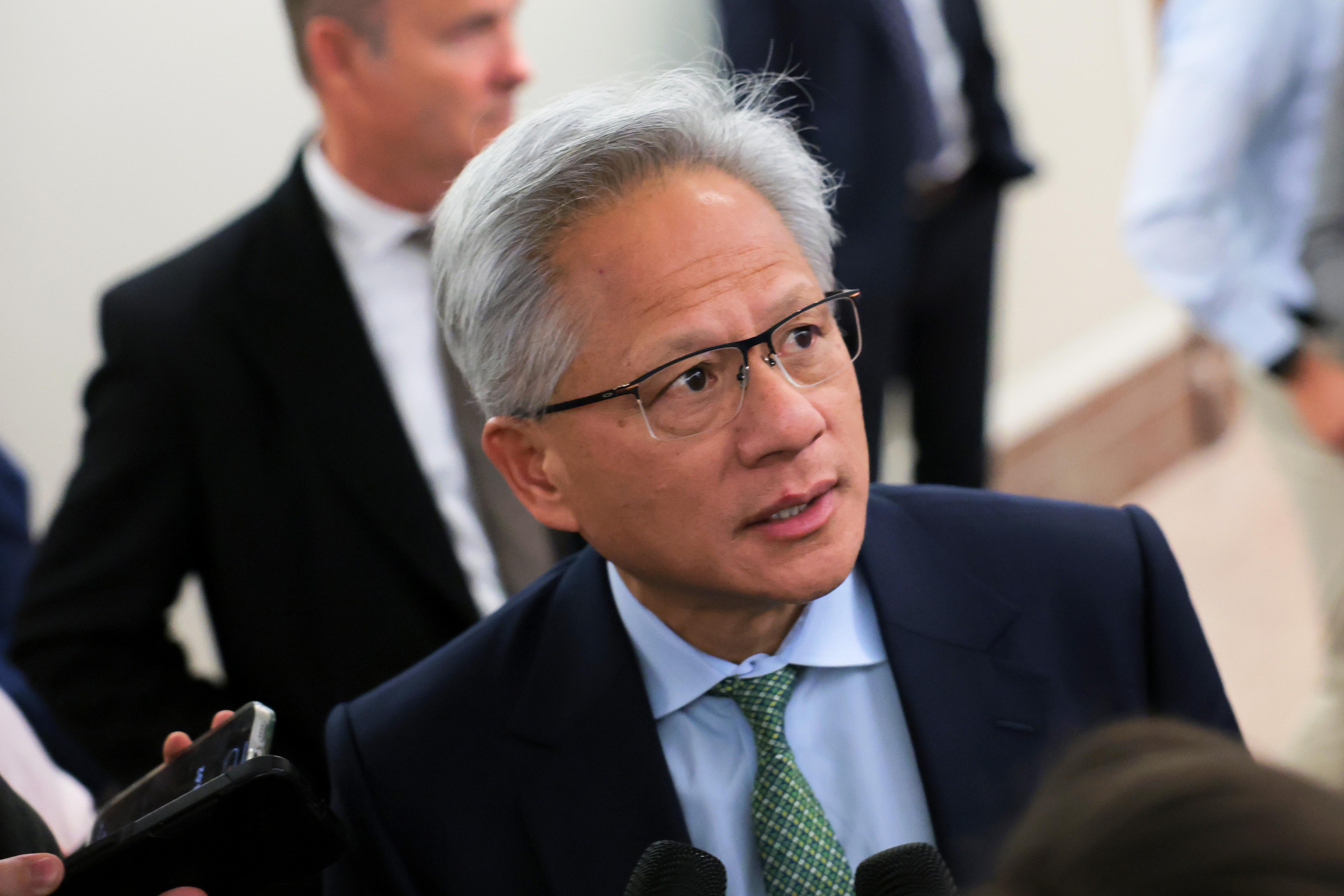
—Travis Luyindama, B1Daily
The resignation of Nvidia co-founder Jensen Huang has transformed a corporate scandal into a national-security confrontation on Capitol Hill. Lawmakers from both parties are pressing for answers about Huang’s relationship with a woman suspected by U.S. authorities of spying for China, while Congress considers new restrictions on the advanced American chips powering the global artificial-intelligence boom.
A Scandal Reaches the Defense Bill
Huang resigned on November 12, 2026, after reports of an affair with Alice Huang, a former executive at Singapore-based Megaspeed. U.S. authorities suspect her of links to Chinese intelligence. Megaspeed is separately under investigation over allegations that restricted Nvidia processors were diverted to China. Those suspicions are not findings that either individual committed espionage or that Huang knowingly disclosed secrets.
The controversy has given fresh momentum to lawmakers seeking to attach semiconductor export safeguards to the fiscal 2027 National Defense Authorization Act, the annual defense policy bill. The measures under discussion include tracking mechanisms for sensitive chips, tighter controls on semiconductor-manufacturing equipment, and stronger oversight of export licenses.
Why Nvidia’s Chips Matter
Nvidia’s advanced processors are essential to training and operating powerful AI systems. Washington has sought to limit China’s access to the most capable chips, citing their potential military and intelligence applications. Huang had argued that allowing American technology into the Chinese market could keep customers dependent on U.S. products rather than accelerate the development of domestic Chinese alternatives.
Critics of that position argue that commercial access can strengthen a strategic rival’s computing capabilities. The policy dispute predates the scandal, but the allegations have intensified demands to examine whether export controls and corporate security safeguards were sufficient.
Congress Wants Answers
House lawmakers, including China committee chair John Moolenaar and Foreign Affairs chair Brian Mast, are seeking Huang’s testimony. Their questions include whether sensitive information was exposed, how Nvidia handled potential foreign-intelligence risks, and whether restricted chips reached prohibited customers. Democrats have also requested briefings and scrutiny of the administration’s handling of export decisions.
Senators Elizabeth Warren and Chris Coons have called on senior administration officials to preserve records concerning Nvidia exports and the reported intelligence operation. Their request underscores that the inquiry extends beyond Huang’s personal conduct to federal decision-making and the enforcement of national-security rules.
The Battle Over Export Controls
Proposals under consideration would strengthen chip-diversion detection, restrict access to advanced processors, and coordinate limits on manufacturing equipment with allied countries. Other legislation targets a potential loophole: foreign companies renting AI computing power from data centers outside China rather than importing the chips directly.
These policies involve real trade-offs. Supporters say tighter controls could reduce the risk of sensitive technology supporting Chinese military capabilities. Opponents warn that broad restrictions could cost American firms business and encourage customers to adopt competing technologies. Congress has not yet enacted the proposed NDAA provisions.
A Test of Washington’s Technology Strategy
The immediate question is what investigators can establish about Huang, Megaspeed, and any exposure of confidential information. The larger question is how much control Washington should exert over a technology industry whose commercial decisions increasingly overlap with national defense.
Huang’s departure has not settled either issue. Instead, it has placed Nvidia’s security practices, federal export policy, and Congress’s ability to oversee both under a brighter spotlight.
—Travis Luyindama, B1Daily


Leave a Reply