—Sylvester Loving, B1Daily
Western governments routinely describe democracy, civil liberties and the rule of law as foundations of their foreign policy. Yet Washington and European capitals also maintain close relationships with governments that restrict political opposition and dissent. The contradiction is not hidden; it is embedded in the competing priorities of modern diplomacy.
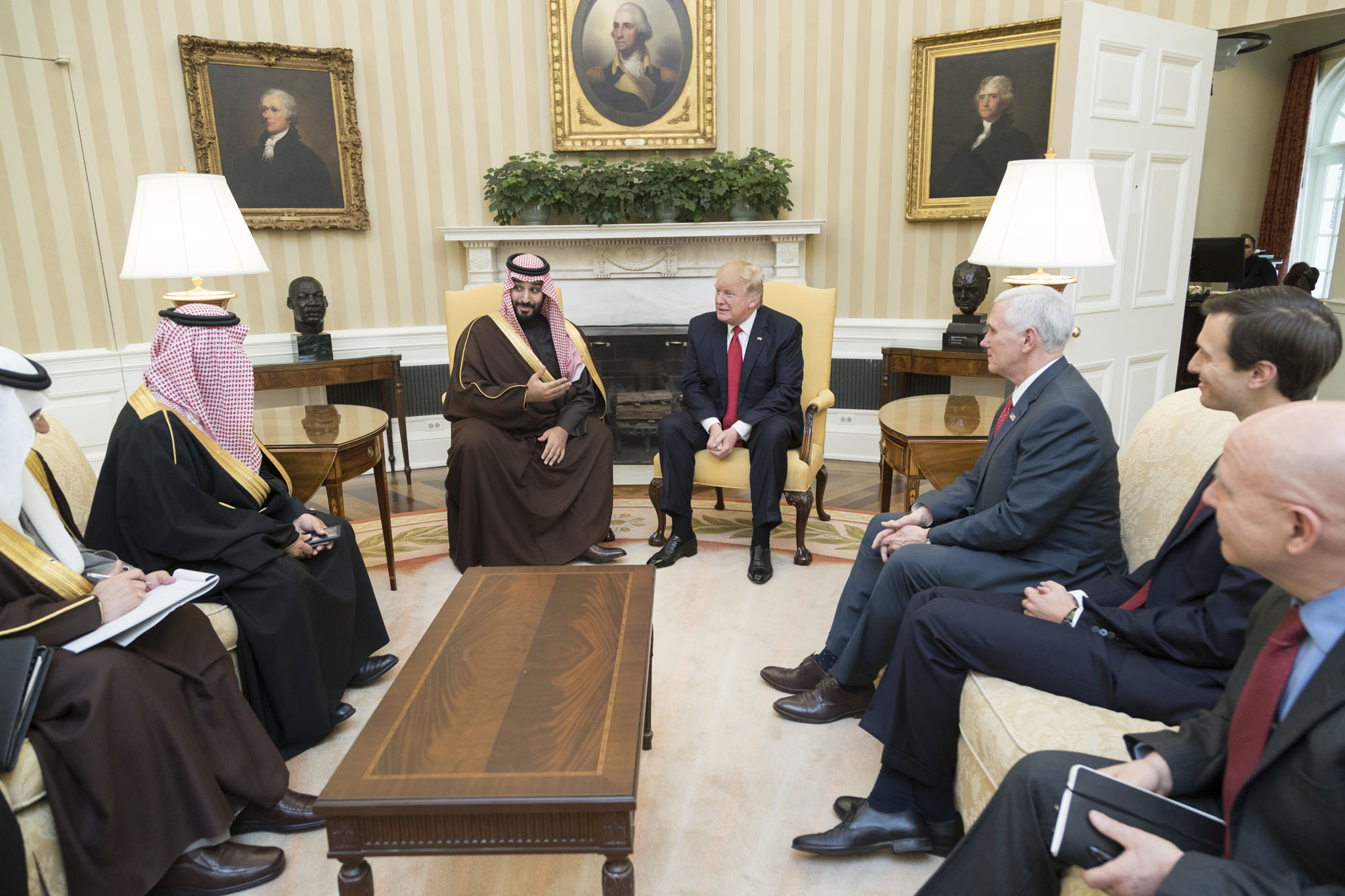
Saudi Arabia offers a prominent American example. The kingdom is a monarchy without national competitive elections, yet it has remained a major U.S. security and energy partner for decades. A Congressional Research Service report published in November 2026 describes continuing military cooperation alongside persistent disagreements over human rights. American officials argue that regional defense, energy markets and countering rival powers require engagement. Critics ask why such interests so often outweigh demands for political freedom.
Egypt exposes the tension even more directly. In September 2024, the Biden administration approved the full $1.3 billion in annual military assistance despite longstanding concerns over repression under President Abdel Fattah el-Sisi. The administration waived human-rights conditions on part of the funding, citing national security and Egypt’s diplomatic role in negotiations concerning Gaza. Human rights organizations argued that the waiver weakened the credibility of Washington’s stated commitments.
Europe faces a similar dilemma at its borders. The European Union’s 2023 migration partnership with Tunisia was designed in part to reduce irregular Mediterranean crossings. But reports of abuses against migrants and political repression prompted scrutiny of the agreement. In 2024, the European Ombudsman urged greater transparency and clearer safeguards, while Amnesty International said in July 2026 that EU migration cooperation continued despite serious rights violations. European institutions maintain that migration management and cooperation with neighboring states are legitimate policy goals.
Defenders of these partnerships argue that diplomacy is not an endorsement of every domestic policy practiced by an ally. Governments must manage immediate security threats, preserve trade routes, negotiate ceasefires and maintain channels of influence. Refusing contact with authoritarian states could reduce Western leverage rather than improve conditions for their citizens.
Yet critics point to the uneven application of standards. When human rights become a reason to isolate one government but a secondary concern in dealings with another, democracy promotion can appear conditional on strategic convenience. The issue is not whether democratic countries should speak with authoritarian leaders. It is whether military aid, investment and migration agreements come with meaningful, consistently enforced protections.
Western governments cannot eliminate every conflict between values and interests. They can, however, disclose the trade-offs, apply transparent conditions and explain when those conditions are waived. Without that accountability, democracy risks becoming a principle celebrated in speeches but negotiated away behind closed doors.
—Sylvester Loving, B1Daily

Leave a Reply