—Sylvester Loving, B1Daily
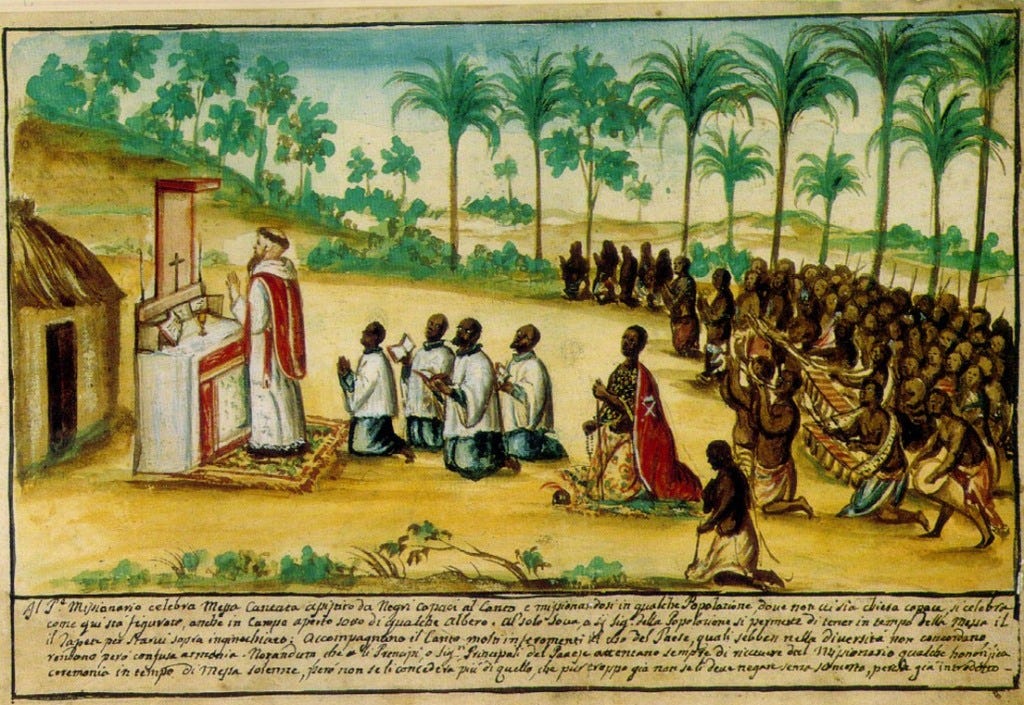
Few institutions have shaped the moral landscape of the Western world like the Catholic Church, yet its historical role in legitimizing slavery remains a stain on its legacy. From the 15th century onward, the Vatican not only condoned but actively facilitated the enslavement of African people—issuing papal bulls that laid the theological groundwork for racial hierarchy and dehumanization.
In 1452, Pope Nicholas V issued Dum Diversas, granting Portugal the right to enslave “Saracens, pagans, and any other unbelievers.” This was followed by Romanus Pontifex (1455), which explicitly sanctioned the conquest and enslavement of African peoples. These decrees framed slavery as a divine mission, embedding the idea that Black bodies were expendable in the service of Christian expansion.
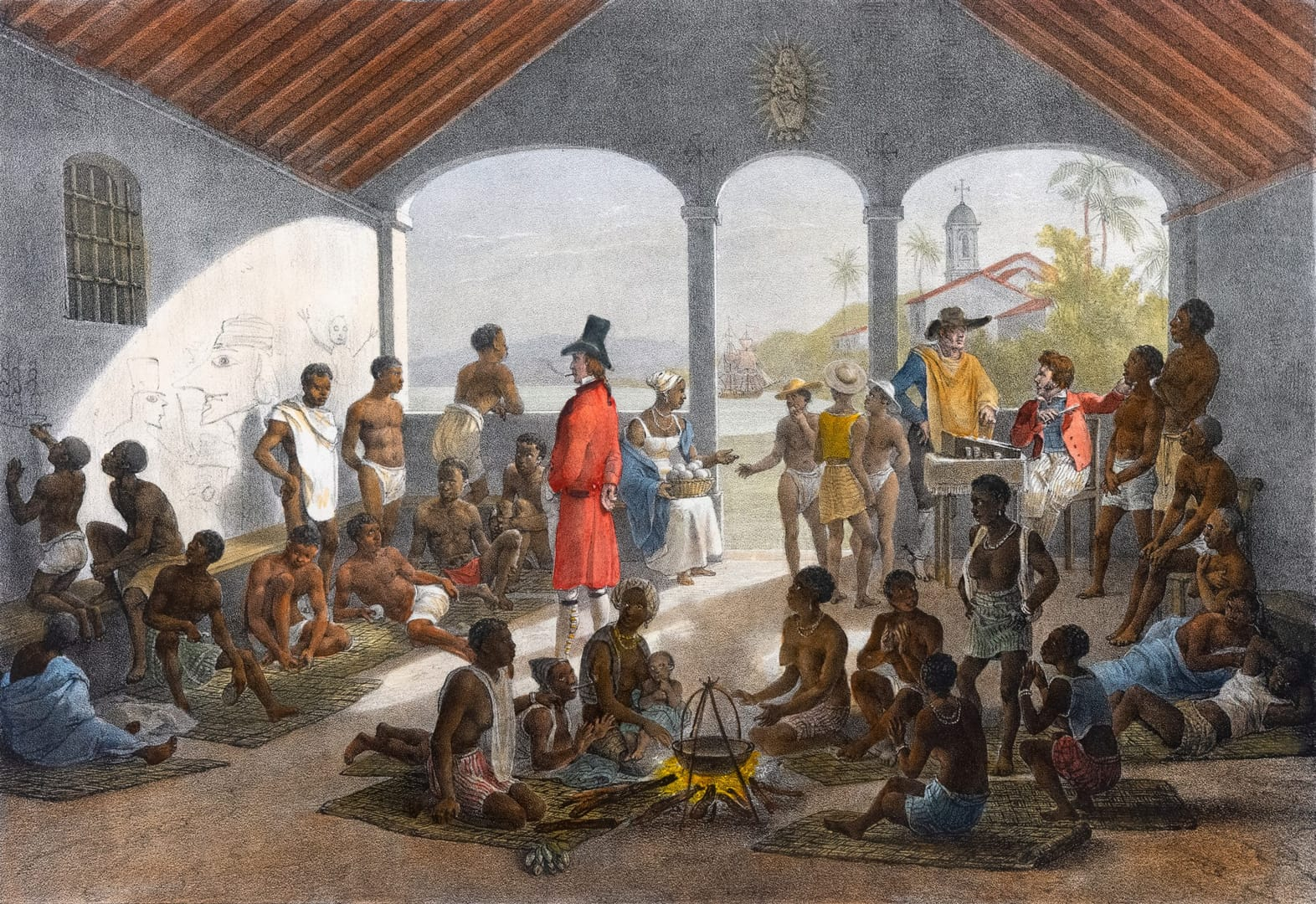
The Church’s complicity didn’t end with doctrine. Well into the transatlantic slave trade, Catholic orders—including the Jesuits—owned and traded enslaved Africans. The Vatican’s silence during centuries of brutalization reinforced a global system where Blackness became synonymous with servitude. Even after abolition, the Church’s failure to meaningfully repent allowed racist ideologies to fester within its institutions.
Today, the Vatican’s belated acknowledgments of these sins ring hollow without reparative action. The anti-Black racism that permeates societies from Brazil to the United States can be traced, in part, to theological justifications crafted in Rome. If the Church truly seeks redemption, it must confront how its past built the foundations of modern white supremacy—not with vague apologies, but with tangible restitution and a dismantling of its lingering racial hierarchies.
The Vatican didn’t just tolerate slavery; it sanctified it. And until it reckons with that truth, its moral authority remains compromised.
—Sylvester Loving, B1Daily





Leave a comment