—Terrence Dorner, B1Daily
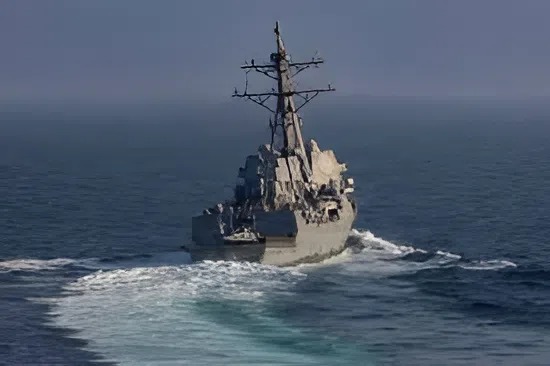
I’ve seen choke points up close, and let me tell you something straight, when a navy decides to squeeze one, it’s never just a “policy move.” It’s a message written in steel hulls and radar locks.
What’s unfolding at the Strait of Hormuz isn’t diplomacy with a stern voice. It’s controlled escalation.
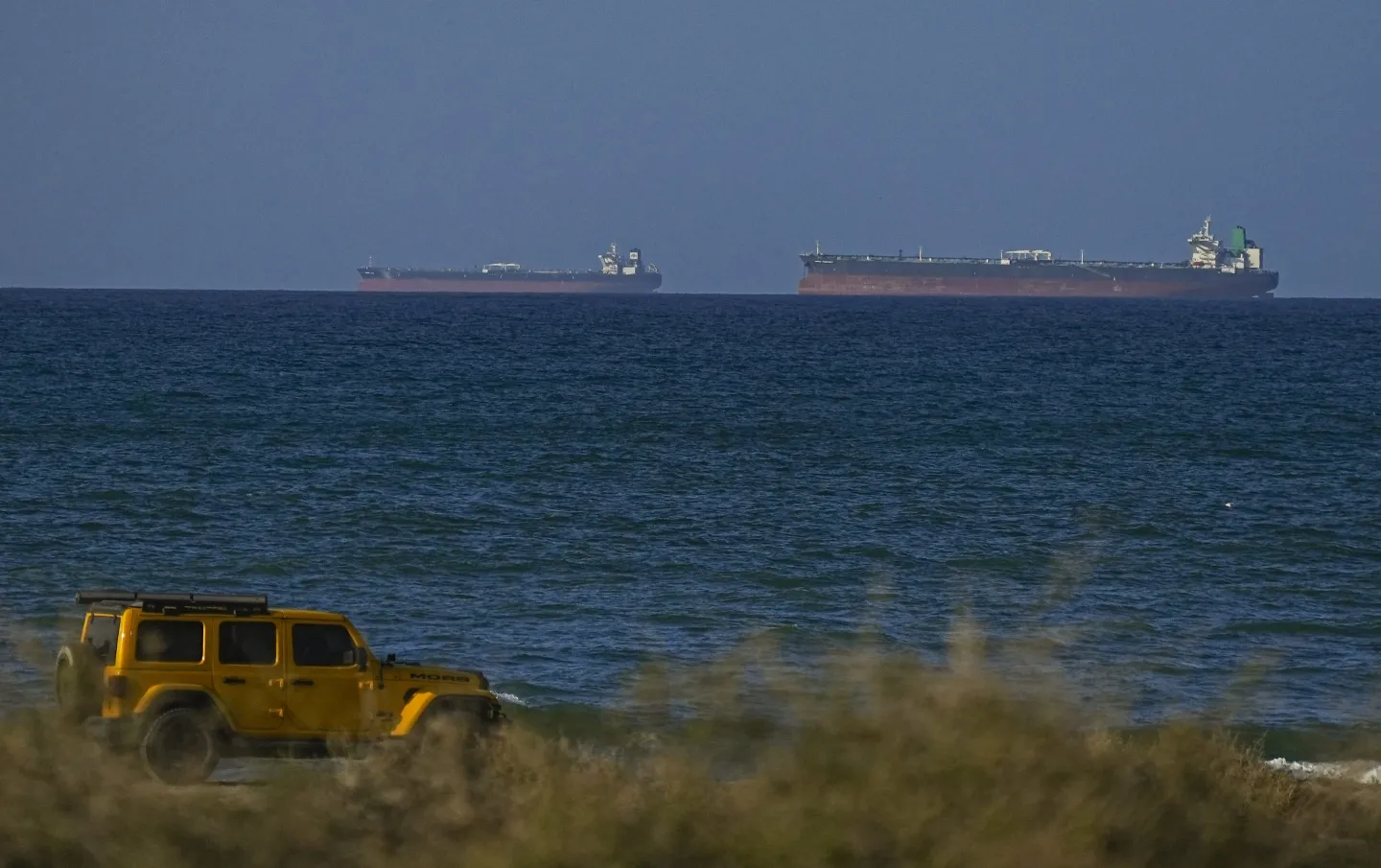
The United States isn’t closing the waterway outright, but by blockading Iranian ports tied to it, they’ve effectively turned the exits into kill switches. Ships can drift through, sure, but try docking in Iran and you’re suddenly part of a very different conversation, one backed by destroyers and rules of engagement.
From a military standpoint, this is textbook pressure application. You don’t fire first. You constrict. You limit options. You force your adversary to either comply or make the first reckless move. The target here is clear: Iran’s lifeline, its oil exports.
Cut that artery and you don’t just hurt the economy, you rattle the command structure, strain internal stability, and test how far leadership is willing to push back.
But here’s what the briefing room PowerPoints never fully capture, blockades are never clean. They look precise on paper. In reality, they’re foggy, tense, and one bad decision away from turning kinetic.
You’ve got commercial vessels stacked up like nervous cattle, captains waiting on conflicting guidance, and young officers on both sides interpreting intent through radar screens and radio chatter. That’s where things get dangerous. Not in the headlines, but in the seconds where someone misreads a maneuver or pushes too close to a line that was never clearly drawn.
Calling this “freedom of navigation enforcement” is technically accurate and strategically convenient. But let’s not dress it up too much. This is economic warfare with a maritime uniform. You don’t deploy this kind of posture unless you’re prepared for it to escalate.
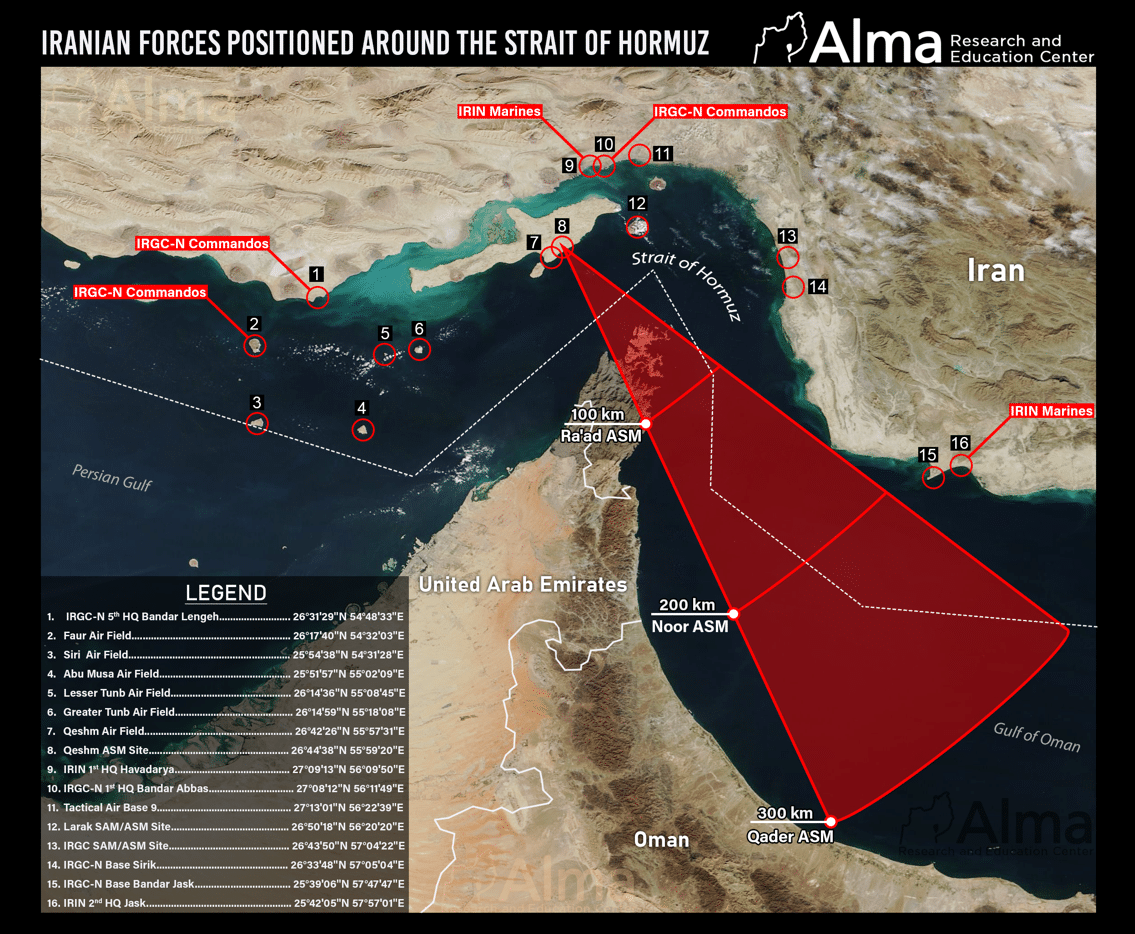
And escalation is baked into the environment. Iran isn’t going to just absorb a blockade and send a polite memo. They’ve already signaled they view this as piracy. Translation in military terms: they’re reserving the right to respond.
That response might not come as a full naval clash either. It could be asymmetric, fast boats, drones, harassment tactics, the kind of gray-zone friction that keeps commanders awake at 0300.
Then there’s the global angle. This isn’t some remote patch of ocean nobody cares about. This lane feeds a massive portion of the world’s oil supply. You start tightening that valve and the entire system feels it, markets spike, allies get nervous, and suddenly this “regional pressure tactic” turns into a global stress test.
Here’s the bottom line from someone who’s watched situations like this evolve: once you establish a blockade, you’ve committed to enforcing it. And enforcement means presence, persistence, and the willingness to act. You don’t get to half-step it. If a ship challenges you, you respond. If your adversary probes, you counter. It’s a cycle that feeds itself.
Right now, this is a controlled squeeze. Disciplined. Calculated. But every blockade carries a clock you can’t see. The longer it runs, the higher the odds that someone, somewhere, makes a move that turns pressure into conflict.
And when that happens, it won’t feel like a policy anymore. It’ll feel like the opening move of a war nobody can easily walk back from.
—Terrence Dorner, B1Daily





Leave a comment