—Barrington Williams, B1Daily
Something ugly is brewing in California politics, and it doesn’t smell like “public safety.” It smells like control.
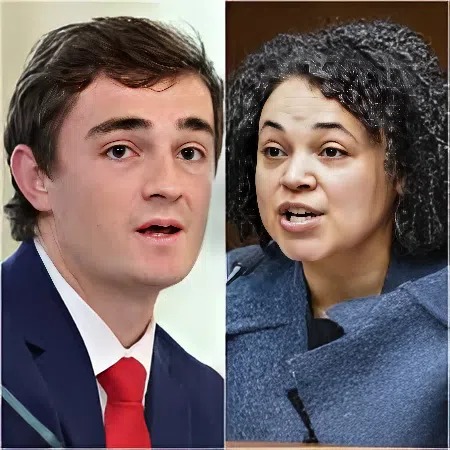
A new bill moving through Sacramento, pushed by Democrats and tied to Assembly legislation like AB 2624, is being blasted by critics as a direct hit on independent journalism. Not legacy media. Not polished newsroom investigations. The target here is something far more unpredictable: citizen journalists with cameras and Wi-Fi. And right now, the name being dragged into the center of it is Nick Shirley.
Supporters of the bill say it’s about protecting vulnerable groups, particularly organizations tied to immigration services, from harassment or threats. On paper, that sounds reasonable. Nobody’s arguing for intimidation or violence. But critics argue the language goes much further, opening the door for individuals or organizations to demand the removal of video recordings, even those captured in public spaces, and potentially hit creators with financial penalties for publishing them.
And that’s where the alarms start ringing.
Because if you can film something in public today, but tomorrow someone can legally force you to take it down, what exactly is left of transparency?
Shirley, who built a following by posting viral “on-the-ground” videos alleging fraud and abuse in government-funded programs, says the bill is a direct response to his work. His critics already question his methods and claims, noting that some investigations tied to his videos have not substantiated the fraud he alleged. But that’s exactly the point of journalism, messy, imperfect, contested. The answer to bad reporting is better reporting, not laws that risk shutting the camera off entirely.
What makes this moment feel different is the shift in tone. This isn’t just disagreement with a journalist. It’s the potential criminalization of the act of documenting and publishing what you see.
Critics of the bill, including some lawmakers, argue it could be weaponized by powerful organizations to shield themselves from scrutiny. Instead of addressing allegations of waste or abuse, the concern is that institutions could simply demand footage be removed and threaten legal consequences if it isn’t.
That flips the entire accountability structure on its head.
Imagine this play out in real life. A journalist walks into a publicly accessible space, films something questionable, and posts it. Under the logic critics are warning about, the subject of that video could claim protection under the law and force it offline, not because it’s false, but because it’s inconvenient.
That’s not protection. That’s insulation.
Now to be fair, the bill’s defenders argue it’s about preventing harassment and doxxing, a real issue in the digital age. And they’re not wrong to raise that concern. But legislation that blurs the line between protecting people and shielding institutions always carries risk. Especially when enforcement hinges on who gets to decide what counts as harmful exposure versus legitimate investigation.
And let’s be honest about timing.
This push is happening right as independent creators, not just Shirley, are gaining traction exposing everything from local governance failures to nonprofit funding questions. Whether you think those investigations are solid or sloppy, they’re disruptive. They bypass traditional gatekeepers. They force attention onto places that might otherwise stay quiet.
And power does not like being surprised.
So the question hanging over this entire fight isn’t just about one YouTuber or one bill. It’s bigger.
Do we want a system where only approved narratives survive?
Or one where even flawed, controversial, and uncomfortable reporting gets to exist in the open?
Because once the precedent is set, once the idea takes hold that footage can be legally erased because it makes someone uncomfortable, it won’t stop at one creator. It won’t stop at one political side.
It becomes a tool.
And tools like that don’t stay in one set of hands for long.
—Barrington Williams, B1Daily




Leave a comment