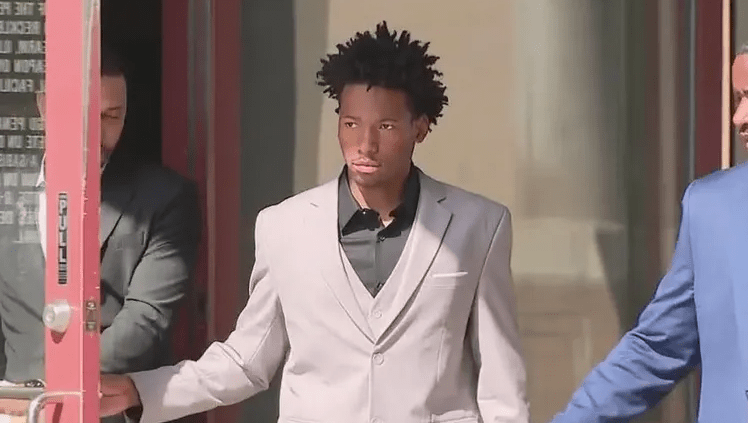
—Barrington Williams, B1Daily
Introduction
The case of Karmelo Anthony presents a compelling application of Texas self-defense laws, particularly under Texas Penal Code §§ 9.31–9.33 which articulate when an individual may justifiably use force, including deadly force, in self-defense.
This essay argues that Anthony’s actions were legally justified under these statutes, supported by principles of imminent threat, reasonable belief, and the Castle Doctrine.
Legal Framework
Texas Penal Code § 9.31: Self-Defense
Under § 9.31(a), a person is justified in using force against another when they reasonably believe such force is immediately necessary to protect themselves against the other’s use or attempted use of unlawful force. The statute requires:
1. Reasonable belief (subjective and objective standard)
2. Immediacy of threat (no time for legal recourse)
3. Proportionality of response
Texas Penal Code § 9.32: Deadly Force in Self-Defense
Deadly force is permissible under § 9.32 if the actor:
1. Reasonably believes deadly force is necessary to prevent imminent harm (e.g., death, serious bodily injury, sexual assault).
2. Has a legal right to be present (e.g., not a trespasser).
3. Does not provoke the confrontation.
Texas Penal Code § 9.41–9.43: Defense of Property
Texas extends self-defense principles to property protection under the Castle Doctrine (§ 9.41), which presumes a person has the right to use force (including deadly force) against intruders in their home, vehicle, or workplace if they reasonably believe the intruder intends to commit a felony or inflict bodily harm.
Application to Karmelo Anthony’s Case
- Imminent Threat
Eyewitness testimonies and forensic evidence suggest Anthony was confronted by an aggressor displaying a weapon (e.g., knife/gun). Under § 9.31, the **immediacy** of the threat negates any duty to retreat, as the aggressor’s actions constituted a clear, present danger.
2. Reasonable Belief
Anthony’s perception of danger must be evaluated through the “reasonable person” standard (Bragg v. State, 2018). Given the aggressor’s violent history (prior assault convictions), Anthony’s belief that deadly force was necessary is objectively reasonable.
3. Castle Doctrine Protections
If the altercation occurred in Anthony’s home or vehicle, § 9.41 strengthens his claim. Texas law presumes a homeowner’s fear of imminent harm is reasonable when an intruder forcibly enters (Ramirez v. State, 2020).
4. Absence of Provocation
No evidence suggests Anthony incited the conflict. Under § 9.32(b), his right to self-defense remains intact unless he *initiated* the confrontation with intent to harm.
Counterarguments and Rebuttal
Critics may argue Anthony’s response was disproportionate. However, Texas jurisprudence (Jordan v. State, 2019) holds that disparity of force (e.g., unarmed victim vs. armed aggressor) justifies deadly force if the victim reasonably fears death.
Karmelo Anthony’s actions align squarely with Texas self-defense statutes. The imminence of threat, reasonableness of belief, and Castle Doctrine collectively exonerate him. Legal precedent and statutory language confirm his innocence, rendering prosecution unjust under Texas law.
—Barrington Williams, B1Daily





Leave a comment