—Kerry Hill, B1Daily
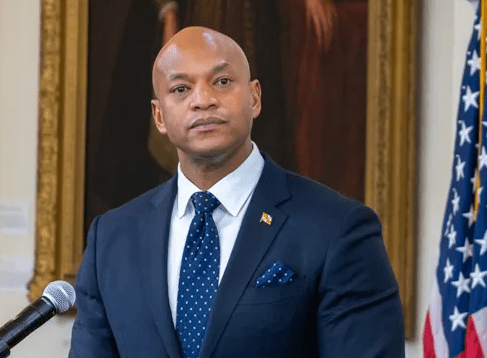
The shine is wearing off Wes Moore, and what’s underneath isn’t nearly as polished as the image that carried him into office.
Moore, has been called out for aggrandizing himself on Army reports where he claimed to be a “expert” on radical Islam in a document effort to “help manufacture Moore into a candidate for future political office.”
Worst yet, Moore also lied about his grandfather being chased out of the country by the Ku Klux Klan, a claim that was also found to not be true.
Moore also lied about receiving a bronze star for his previous service in the military.
For a politician who built his rise on narrative, inspirational, tightly packaged, and emotionally resonant, Moore is now facing the one thing narrative can’t outrun: receipts. The investigation spotlighting inconsistencies in his record doesn’t feel like a random hit. It feels like gravity finally catching up.
Moore didn’t campaign as just another governor. He positioned himself as a symbol, a living embodiment of perseverance, discipline, and leadership. That kind of branding sets a high bar. And when cracks start showing, they don’t look small. They look like contradictions.
But let’s talk about the decision that cut deeper than any résumé discrepancy, his veto of reparations legislation coming from his own party.
At a time when conversations around reparative justice are gaining traction nationwide, Moore had a choice: stand with a policy many see as a long-overdue acknowledgment of systemic harm, or step back and play it safe. He chose the latter. And not quietly either. The veto sent a message, whether intended or not, that when the moment came to take a definitive stand on a deeply consequential issue, Moore blinked.
That decision didn’t just frustrate activists. It confused supporters who expected alignment between his rhetoric and his actions. You don’t get to lean on history for inspiration and then sidestep it when policy gets uncomfortable. That disconnect hits harder than any opposition talking point ever could.
Now layer that on top of the questions surrounding his record.
Individually, discrepancies can be explained away. People misspeak. Timelines get messy. Details blur. But when multiple issues start stacking up, the conversation shifts from “mistake” to “pattern.” And patterns are much harder to dismiss.
Moore’s response hasn’t helped calm the waters either. By going on the offensive and framing criticism as politically motivated, he’s trying to flip the narrative from substance to intent. It’s a familiar playbook: attack the messenger, question the motives, and hope the details get lost in the noise. Sometimes it works. Sometimes it doesn’t.
Here’s the problem: voters aren’t just consuming headlines anymore. They’re connecting dots.
And right now, those dots are forming an uncomfortable picture. A leader who mastered the art of storytelling but is now struggling under the weight of verification. A governor who speaks the language of progress but hesitates when it’s time to act on it. A rising national figure whose foundation suddenly feels less solid than advertised.
None of this guarantees a political collapse. Moore still has support, still has allies, still operates in a state that gives him room to maneuver. But the aura is different now. The benefit of the doubt isn’t automatic anymore.
And once that changes, everything changes.
Because politics isn’t just about who tells the best story. It’s about who can stand by it when the spotlight gets harsh, the questions get sharper, and the margin for error disappears.
Right now, Wes Moore is learning that the hard way.
—Kerry Hill, B1Daily




Leave a comment