—Kel McKnight, B1Daily
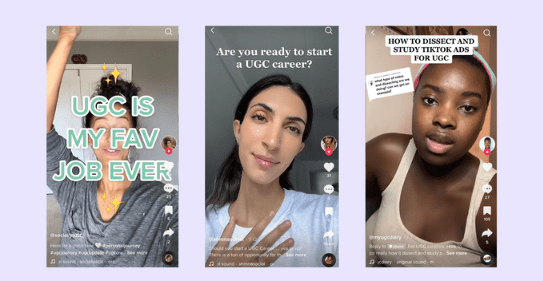
Scroll long enough and you’ll see it. A smiling creator, a quick pitch, a link in the bio promising “instant cash,” “no stress,” “get paid early.” It’s packaged like a life hack. But let’s be real, it’s not a hack. It’s a trap with good lighting.
More and more content creators are promoting payday loans and paycheck advance apps like they’re just another brand deal, sitting right next to sneakers and protein powder. The problem is, these aren’t harmless products. They’re financial quicksand. And when creators push them, they’re not just selling a service, they’re selling risk to people who often can’t afford it.
Payday loans and similar advances thrive on urgency. Rent due. Bills stacking. Unexpected emergencies. That’s the moment these products slide in, offering fast relief with very little friction. But what they don’t highlight is the cost. High fees, short repayment windows, and rollover cycles that can keep people stuck borrowing just to stay afloat. It’s not relief, it’s a loop.
Now put that in the hands of an influencer.
Creators build trust. That’s their currency. Their audience listens because they feel a connection, like they know this person, like they’re getting advice from someone who understands them. So when that same creator says, “This app helped me,” it hits different. It feels personal. It feels safe.
But here’s the issue, a lot of the time, it’s not personal. It’s paid.
And that’s where things start getting morally shaky.
There’s a difference between promoting something that improves your audience’s life and promoting something that could quietly damage it. A bad pair of shoes wastes money. A payday loan can wreck your finances for months, even years. When creators blur that line, they’re not just making a questionable choice, they’re leveraging trust in a way that can hurt people.
Some will argue, “It’s not my responsibility. People make their own decisions.” And technically, sure. But influence doesn’t exist in a vacuum. If your platform is big enough to shape behavior, then it’s big enough to carry responsibility. You can’t cash the check for influence and then dodge the consequences of what that influence does.
There’s also a pattern here that’s hard to ignore. These products are often marketed toward younger audiences, lower-income viewers, or people already navigating financial stress. In other words, the exact people most vulnerable to the downsides. So when creators promote these services, knowingly or not, they’re directing risk toward those least equipped to absorb it.
That’s not just bad optics. That’s exploitation dressed up as opportunity.
And let’s not pretend the companies behind these deals don’t know exactly what they’re doing. They partner with creators because it bypasses skepticism. A corporate ad gets questioned. A trusted face gets believed. It’s marketing with a human mask.
So where does that leave creators?
It leaves them with a choice.
Build a platform that actually looks out for your audience, or treat that audience like a revenue stream with a pulse. Because once people realize they were led into something harmful for the sake of a sponsorship, that trust doesn’t come back easy. And without trust, influence collapses.
This isn’t about perfection. Every creator makes mistakes. But pushing financial products that can actively put your audience in debt isn’t a small misstep. It’s a line. And crossing it says a lot about what matters more, the people watching, or the money behind the screen.
Because at the end of the day, a check clears fast.
But the consequences for your audience don’t.
—Kel McKnight, B1Daily


Leave a comment