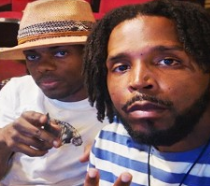
—Marcus Davis, B1Daily
The scene was electric, not with the usual scripted applause of a political book tour, but with the raw tension of unscripted demands. Vice President Kamala Harris, mid-smile, mid-sentence, found herself face-to-face with Marcel Dixon and Black Alpha Network (BAN), who seized the moment to hold her accountable on the explosive issue of reparations for Freedmen Black Americans (FBA).
This wasn’t polite applause or a staged town hall. This was a reckoning.
Dixon, a firebrand organizer and Black Alpha, cut through the curated atmosphere of Harris’ event, demanding answers on why the Biden-Harris administration has sidestepped concrete action on reparations, a promise many in the FBA community argue has been buried beneath empty rhetoric. “We’re not here for photos or platitudes,” Dixon declared, his voice carrying over the murmurs of startled attendees. “Where’s the legislation? Where’s the commitment to descendants of enslaved people? We’re done waiting.”
The confrontation wasn’t just viral, it was symbolic. Harris, the first Black and South Asian VP, has long been scrutinized by factions of the Black community for what they see as performative allyship. BAN’s direct action threw that critique into sharp relief.
The moment crystallized a growing rift between the Black political elite and grassroots movements tired of incrementalism. While establishment figures preach patience,activists like Black Alpha and Marcel are mobilizing on the ground, disrupting events, occupying city council meetings, and forcing reparations into the national conversation by any means necessary.
Harris’ response, measured, diplomatic, did little to quell the fury. “We hear you,” she offered, but for activists who’ve spent lifetimes being “heard” without seeing results, the words rang hollow. “Hearing isn’t justice,” Dixon fired back. “We need action.”
This wasn’t just a confrontation. It was a warning. The Black Alpha Network and Marcel Dixon made it clear: The era of polite requests is over. If the administration won’t act, the streets, and every stage, every microphone, every moment, will become battlegrounds until reparations are more than a talking point.
The movement isn’t asking anymore. It’s demanding.
—Marcus Davis, B1Daily



Leave a comment