—Wilson Sharpe, B1Daily
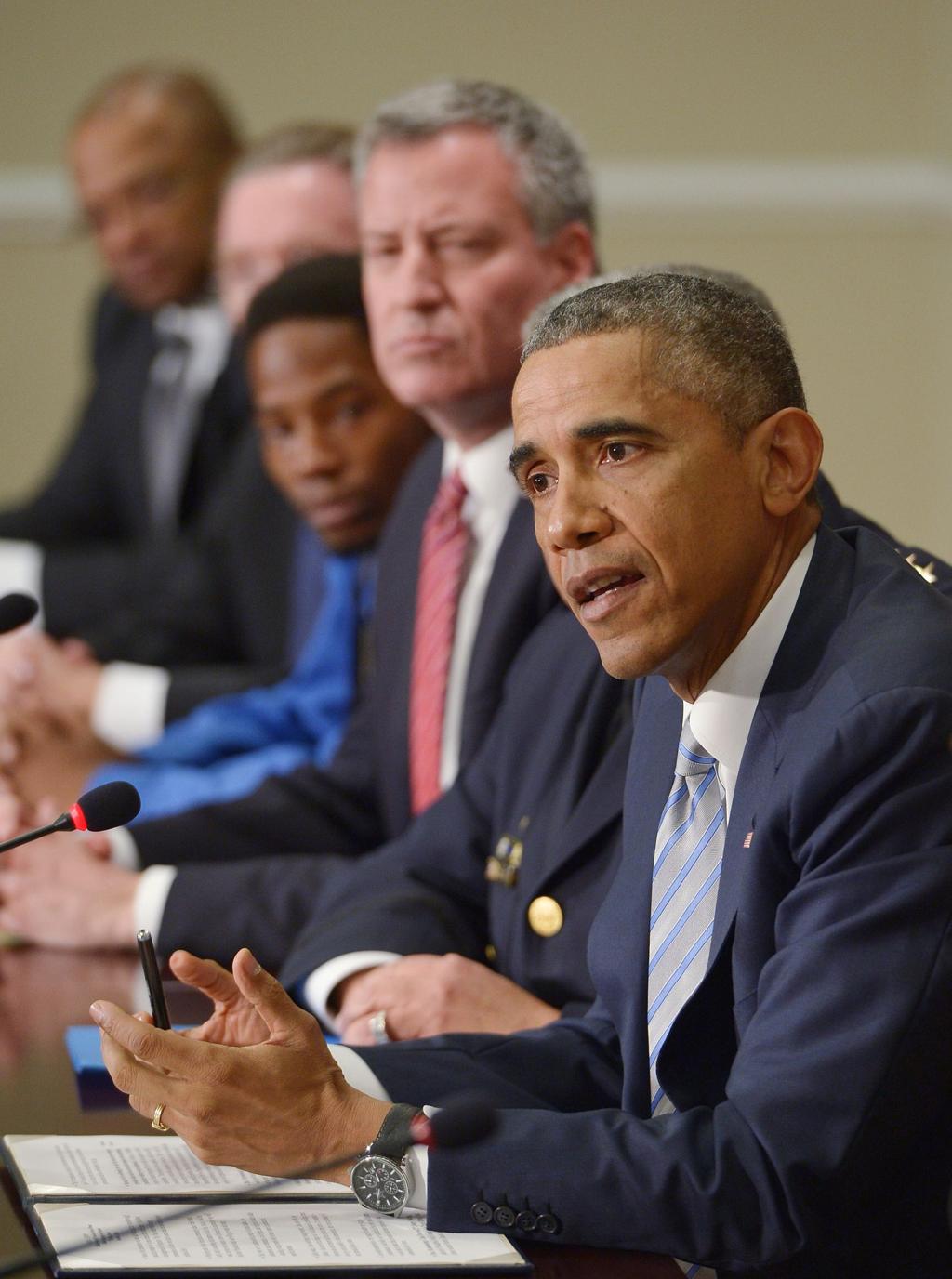
For much of his presidency, Barack Obama walked a political tightrope that few modern presidents have faced. As the nation’s first Black president, he carried the hopes of many African Americans who expected sweeping reforms to address racial inequities in policing and the criminal justice system. At the same time, Obama governed in an era where public support for law enforcement remained strong across much of the political spectrum.
The result was a presidency that often sought balance but left many Black voters and activists feeling disappointed.
Critics point to three major law enforcement initiatives backed by Obama as evidence that his administration frequently prioritized supporting police agencies even as national outrage over police killings of Black Americans intensified.
First was the continued expansion and funding of the Community Oriented Policing Services (COPS) program. Obama’s administration repeatedly pushed for additional federal funding to hire and retain police officers nationwide, arguing that community policing could strengthen trust between officers and neighborhoods. Supporters viewed it as a practical investment in public safety. Critics saw it as expanding police presence without addressing systemic accountability.
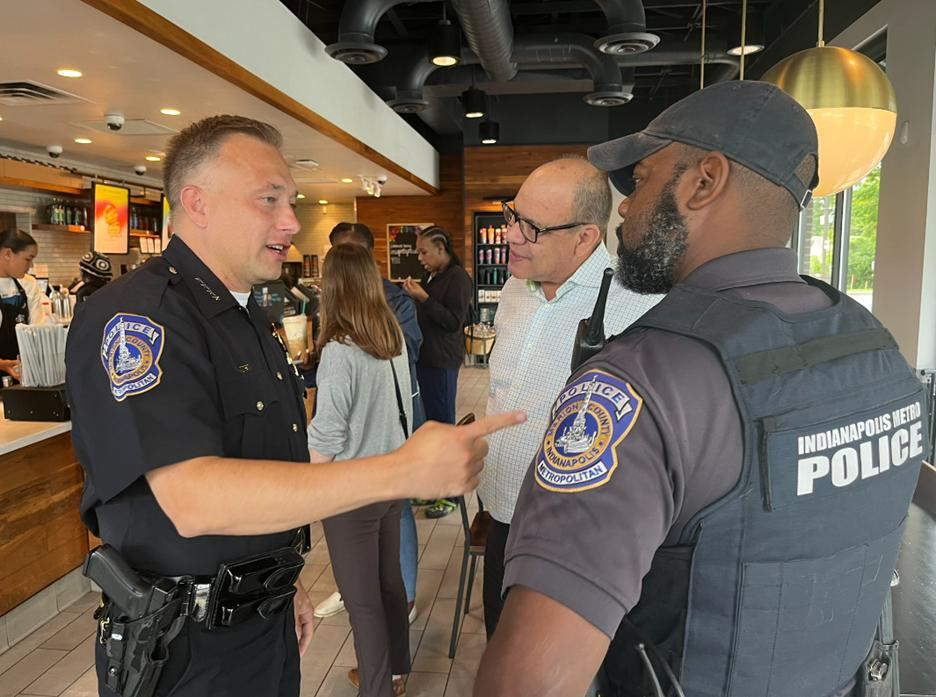
Second was Obama’s support for the Bulletproof Vest Partnership, a federal program that helped local police departments purchase protective equipment. While politically popular and difficult to oppose publicly, some activists argued that federal resources continued flowing toward law enforcement agencies while communities demanded greater oversight and reform.
Third was Obama’s signing of the Blue Alert Act in 2015. The law created a national communications network designed to rapidly notify the public when law enforcement officers were seriously injured, killed, or threatened. Police organizations praised the measure as a necessary public safety tool. Critics questioned why Congress and the White House moved swiftly on legislation protecting officers while broader police accountability measures struggled to gain traction.
Those policy choices alone may not have triggered a political backlash. The greater source of frustration came from the administration’s handling of high-profile police killings.
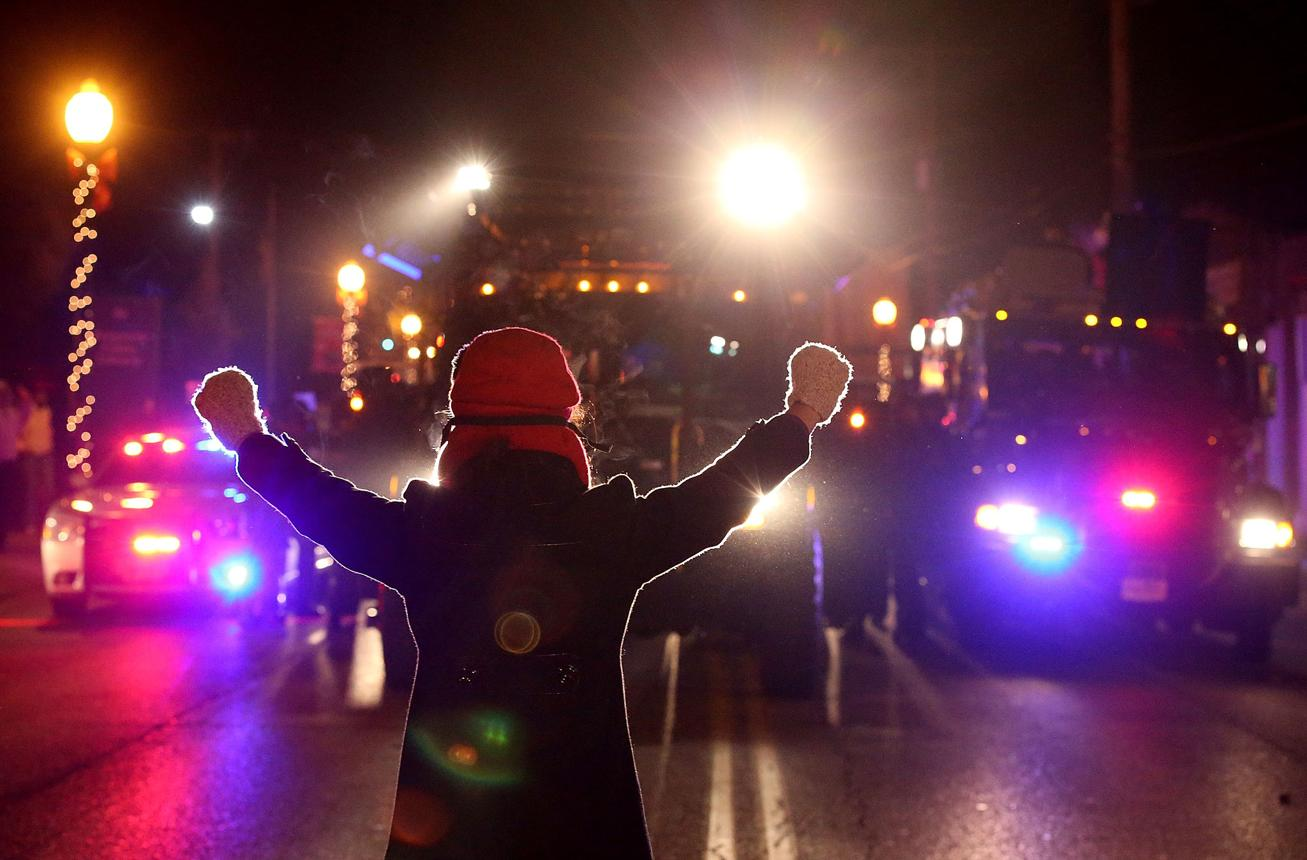
The deaths of Michael Brown in Ferguson, Eric Garner in New York, Tamir Rice in Cleveland, Freddie Gray in Baltimore, and others became defining moments of Obama’s second term. Protesters filled streets across the country demanding justice and federal intervention.
Yet federal prosecutions against officers remained rare.
The Justice Department frequently cited the high legal standards required to secure civil rights convictions against police officers. In many cases, prosecutors concluded that evidence was insufficient to prove beyond a reasonable doubt that officers willfully violated constitutional rights.
To legal experts, those decisions reflected the realities of federal law.
To many frustrated activists, they looked like excuses.
The gap between legal explanations and public expectations became politically significant. Black voters who had once viewed Obama as a historic champion increasingly questioned whether symbolic representation had translated into meaningful accountability.
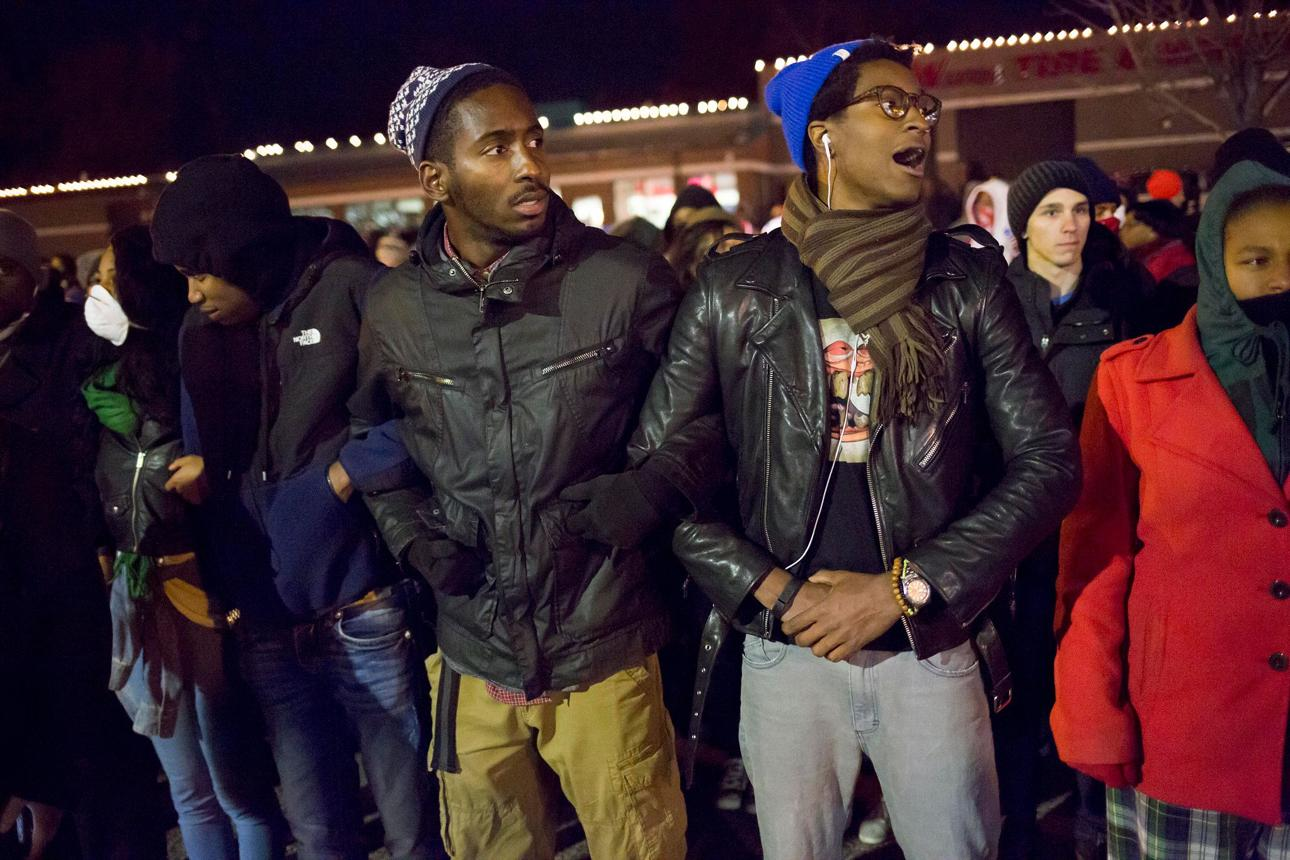
Polls throughout Obama’s presidency continued to show overwhelming support for him among Black Americans. But beneath those numbers, a growing divide emerged between establishment Democrats and younger activists energized by the Black Lives Matter movement. Many believed the administration’s response to police violence was too cautious, too legalistic, and too deferential to law enforcement institutions.
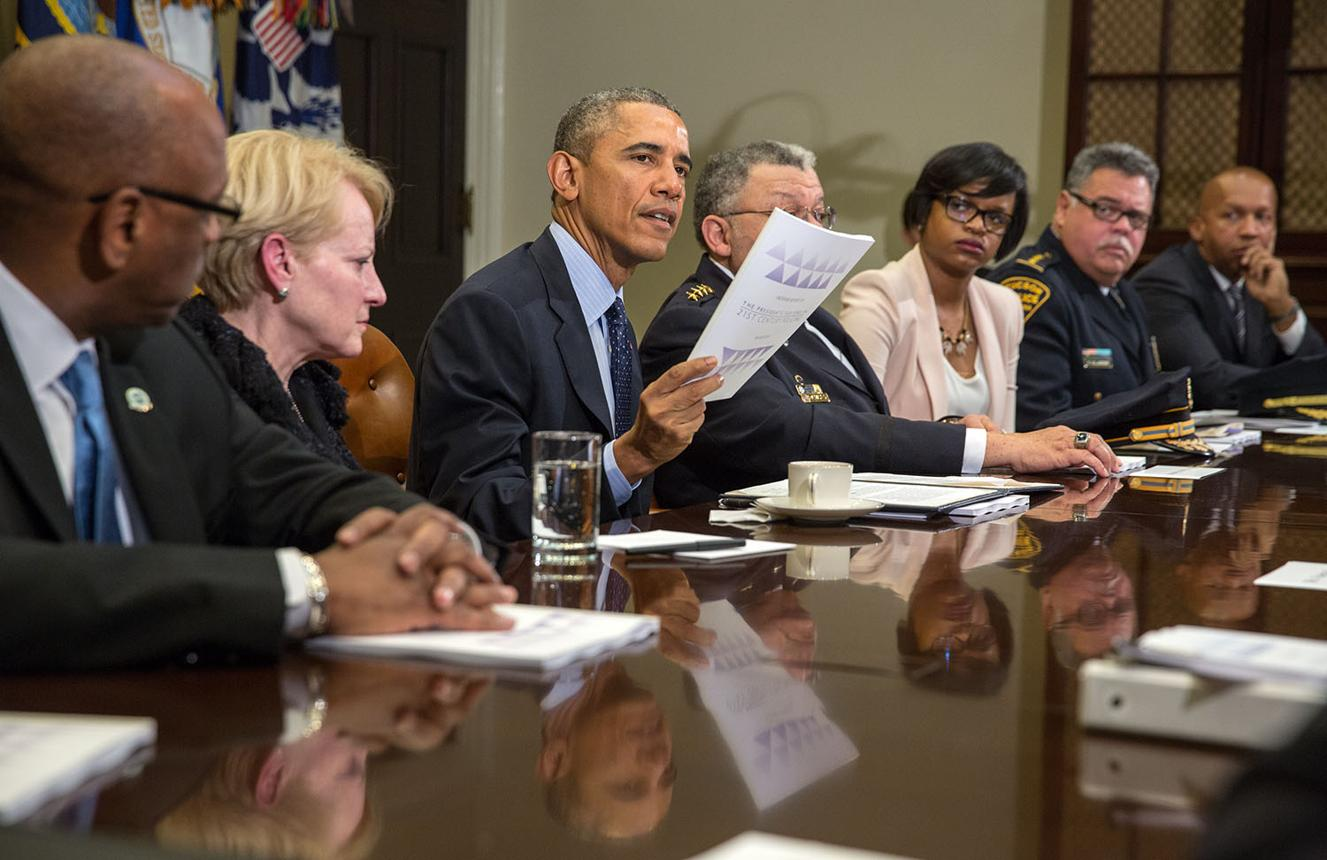
Obama himself often acknowledged the tension. He spoke openly about racial bias in policing and launched initiatives aimed at improving police-community relations. His administration also conducted pattern-and-practice investigations into troubled police departments and released reform recommendations through the Task Force on 21st Century Policing.
For supporters, those efforts demonstrated a serious commitment to reform.
For critics, they were overshadowed by the absence of criminal accountability in the cases that dominated national headlines.
The political lesson remains relevant today. Obama’s presidency revealed that symbolic milestones alone cannot satisfy voters demanding structural change. While he maintained strong support among Black Americans throughout his time in office, the frustration that emerged during the Ferguson era helped fuel a new generation of activists who wanted Democratic leaders to move far more aggressively on policing and criminal justice reform.
In that sense, the debate over Obama’s record was never simply about three pro-police laws or a handful of court cases. It was about a broader question that still shapes American politics: how much change voters expect from leaders who promise reform, and how quickly they are willing to accept it.
—Wilson Sharpe, B1Daily





Leave a comment