—Sylvester Loving, B1Daily
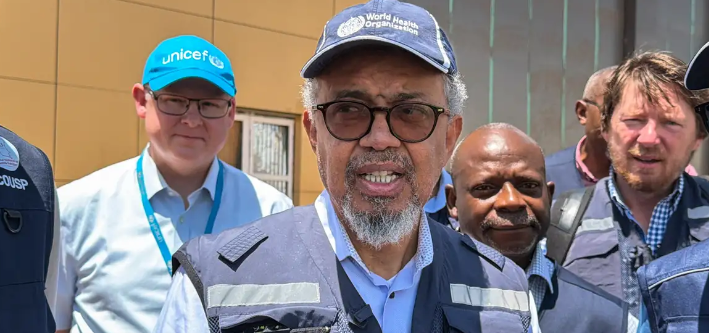
The Democratic Republic of Congo is once again on the front lines of a deadly Ebola battle, and the head of the World Health Organization is warning that the fight against the virus depends on one critical factor: getting patients into treatment as early as possible.
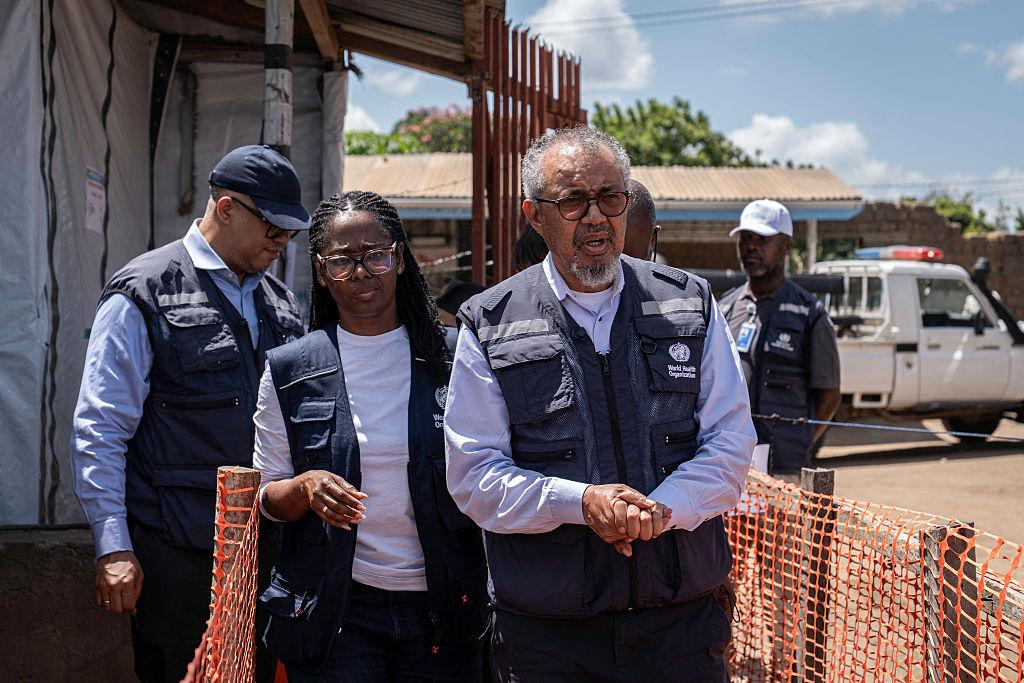
During a visit to the outbreak’s epicenter in eastern Congo, WHO Director-General Tedros Adhanom Ghebreyesus urged communities to seek medical care immediately when symptoms appear and to cooperate with health authorities attempting to contain the disease. His message comes as health officials race to prevent the outbreak from spiraling into a larger regional crisis.
The current epidemic marks the 17th recorded Ebola outbreak in the Democratic Republic of Congo and has become one of the country’s largest since the virus was first identified nearly 50 years ago. The outbreak is being driven by the Bundibugyo strain of Ebola, a variant for which no approved vaccine or treatment currently exists, making early intervention and supportive care especially important.
Health officials have reported more than 1,000 suspected cases and hundreds of deaths under investigation as authorities work to determine the full scale of the epidemic. The true number of infections may be even higher because experts believe the virus circulated undetected for weeks before the outbreak was officially declared.
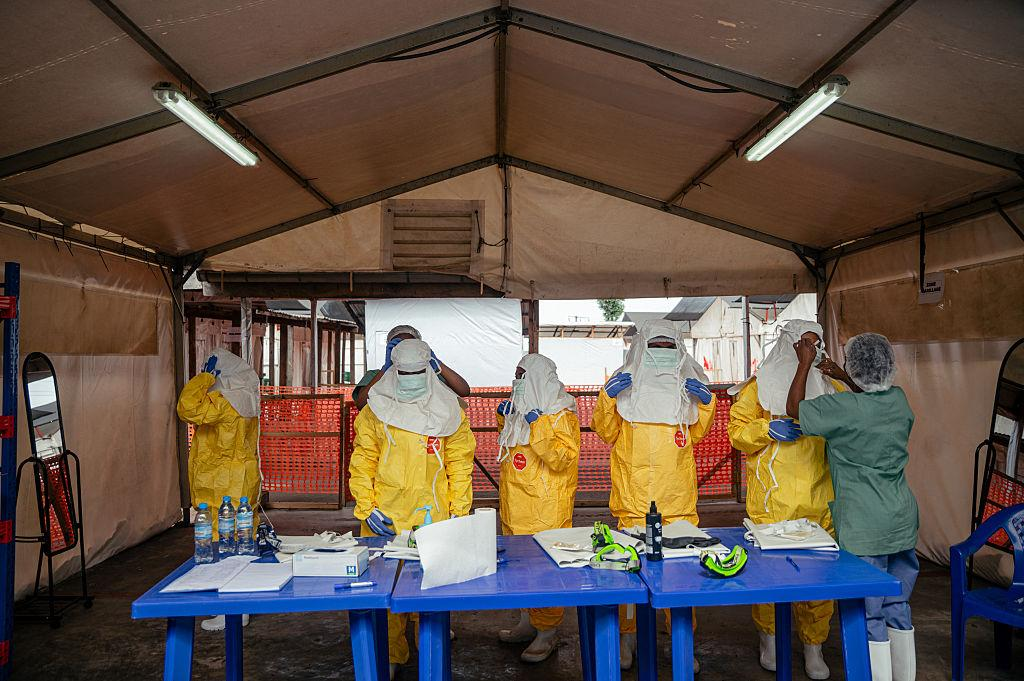
Despite the grim statistics, there have been encouraging signs. WHO officials recently announced multiple patient recoveries, demonstrating that survival is possible when infected individuals receive prompt medical care, hydration, symptom management, and monitoring. These recoveries have become a central part of the organization’s public messaging campaign aimed at convincing fearful communities to seek treatment rather than hide symptoms.
One of the greatest challenges facing health workers is community distrust. In several affected areas, resistance to Ebola protocols has complicated containment efforts. Traditional burial customs, which often involve direct contact with the deceased, have clashed with public health measures designed to prevent transmission. Authorities have reported attacks on health facilities and incidents involving families attempting to reclaim bodies for traditional funerals.
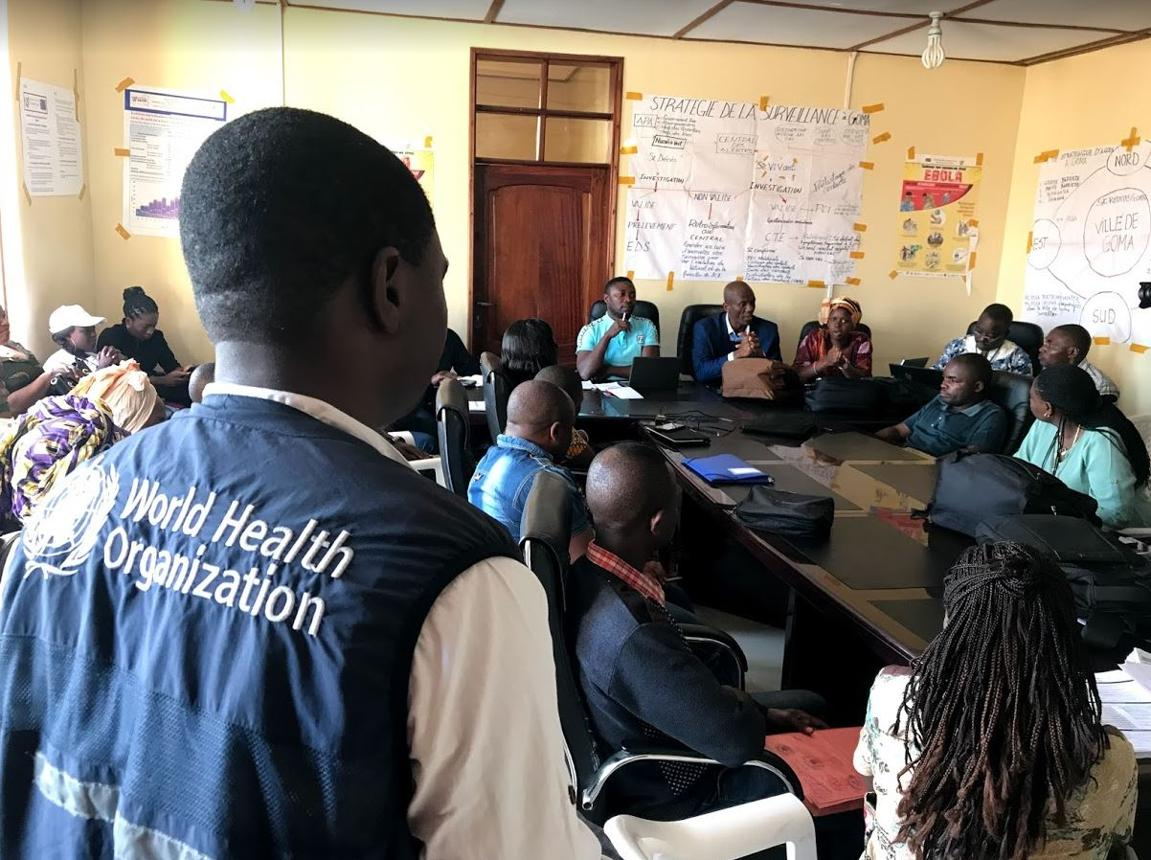
The outbreak is also unfolding in one of Africa’s most volatile regions. Armed conflict, population displacement, and weak infrastructure have created significant obstacles for medical teams. WHO officials have even called for temporary ceasefires among armed groups, arguing that disease control efforts cannot succeed in an environment of ongoing violence.
International health organizations warn that the response effort is struggling to keep pace with the spread of the virus. Medical aid groups have reported shortages of basic supplies, testing backlogs, and funding gaps that threaten containment operations. WHO leadership has appealed for additional international assistance, noting that only a fraction of required funding has been secured so far.
The outbreak’s impact is already being felt beyond Congo’s borders. Cases have been reported in neighboring Uganda, while health authorities in countries as far away as Brazil have investigated suspected imported infections. Regional governments have increased monitoring efforts and strengthened border screening procedures as concerns grow over cross-border transmission.
For global health officials, the message remains clear: Ebola remains one of the world’s most lethal infectious diseases, but rapid detection and treatment can save lives. As WHO expands treatment facilities and deploys additional resources to the region, the success of the response may ultimately depend on whether communities trust health workers enough to seek help before symptoms become severe.
The battle against Ebola in Congo is no longer simply a medical challenge. It has become a race against time, misinformation, conflict, and limited resources, with thousands of lives hanging in the balance.
—Sylvester Loving, B1Daily



Leave a comment