—Matt Gwinta, B1Daily
Burkina Faso has launched an economic experiment that many developing nations have faced at one point or another: should a country prioritize domestic consumers or export revenues when supplies become tight?
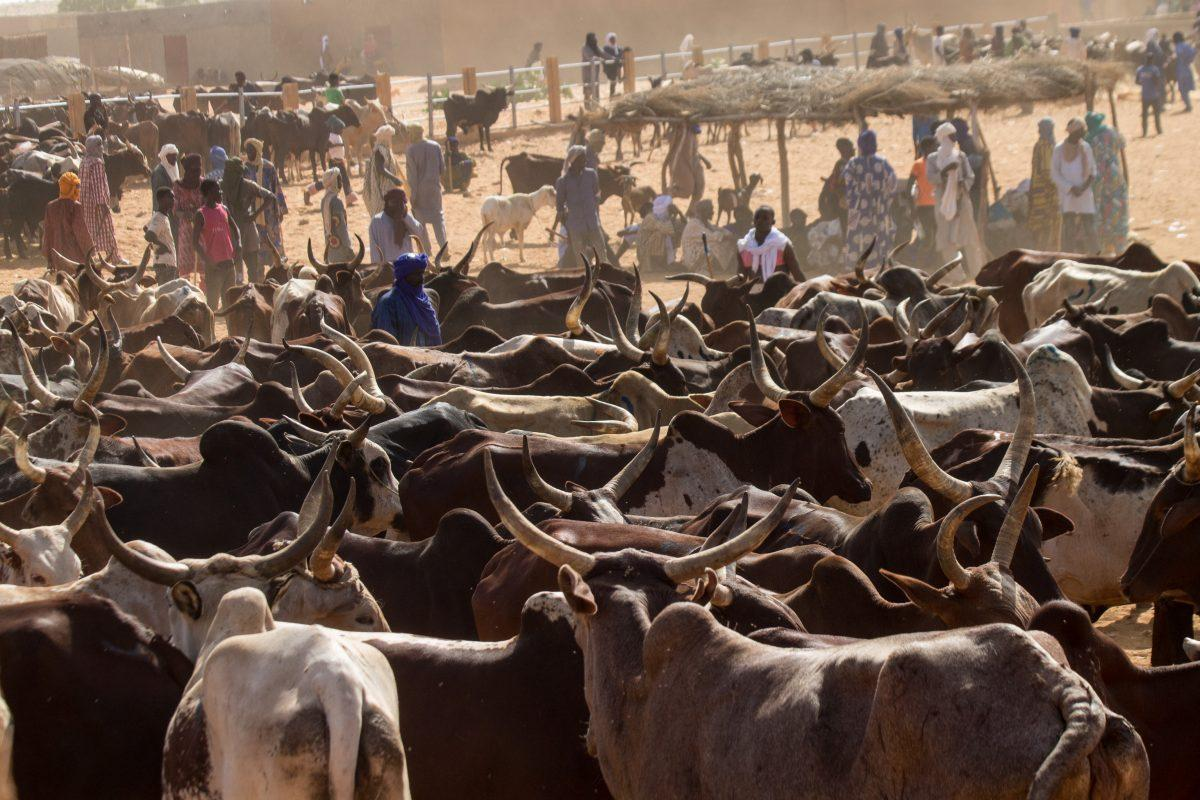
The government’s decision to suspend livestock exports nationwide has ignited a fierce debate across the country’s agricultural economy. Officials argue the measure will increase the availability of cattle, sheep, and goats on local markets, helping stabilize meat prices and protect consumers. Traders, however, say the policy is crushing their businesses and cutting them off from some of their most profitable markets in neighboring countries.
For ordinary consumers, the policy has been welcomed.
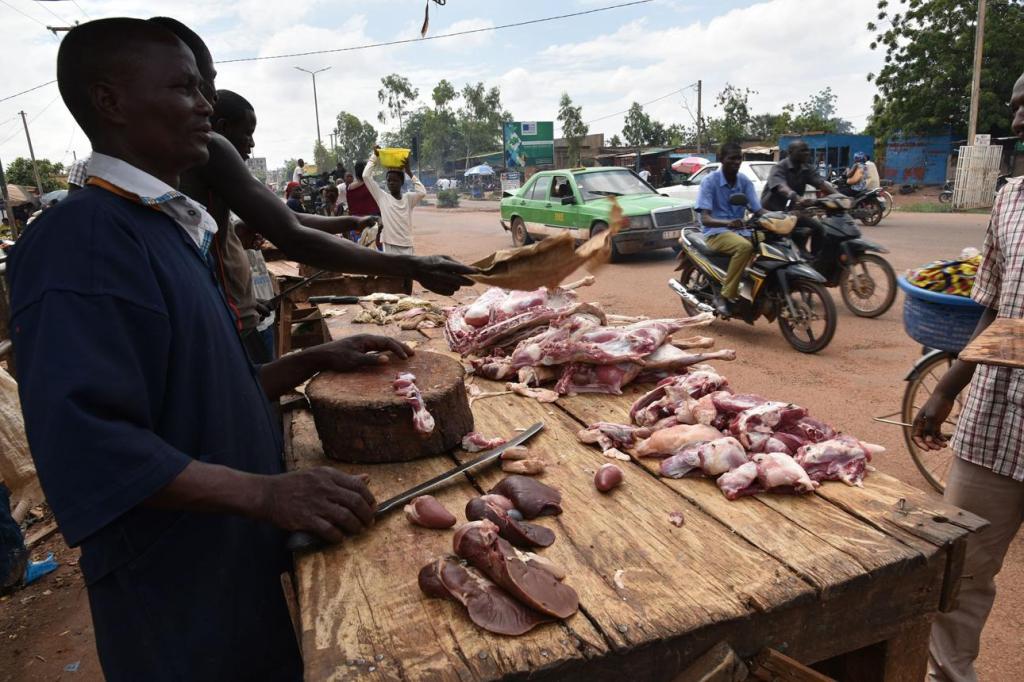
Meat prices in Burkina Faso have fluctuated between 3,000 and 5,000 CFA francs per kilogram in recent months, putting pressure on household budgets. By keeping more livestock inside the country, authorities hope increased supply will drive prices lower, particularly during periods of heightened demand surrounding religious festivals and seasonal consumption spikes.
From an economic standpoint, the government’s logic is straightforward. When exports are restricted, domestic supply increases. Greater supply can reduce prices, improve food accessibility, and ease inflationary pressure on consumers.
The problem is that what benefits consumers often hurts producers.
Livestock traders who previously sold animals into higher-priced regional markets such as Ghana and Côte d’Ivoire now find themselves competing for a limited domestic customer base. Some traders report being forced to sell sheep for half of what they previously expected to receive through export channels. For businesses built around regional trade, the revenue shock has been immediate.
The livestock sector is not a minor part of Burkina Faso’s economy.
In 2024, cattle, sheep, and goat exports ranked as the country’s third-largest export category behind gold and cotton, generating approximately 11.8 billion CFA francs in revenue. Restricting exports therefore affects not only individual traders but also broader foreign-exchange earnings and regional trade relationships.
Yet the ban appears to fit within a broader economic strategy emerging from Ouagadougou.
Over the past year, Burkina Faso has pursued a series of policies designed to retain more economic value inside the country. Similar restrictions have affected products such as tomatoes and other agricultural commodities as authorities attempt to strengthen domestic industries and reduce reliance on exporting raw goods.
The livestock ban reflects this same philosophy.
Rather than exporting live animals, the government has indicated that its long-term objective is to expand the processing and export of meat products. If successful, such a transition could allow Burkina Faso to capture more value from each animal sold by creating jobs in slaughterhouses, packaging facilities, transportation networks, refrigeration infrastructure, and food processing industries.
The challenge is timing.
Building a modern meat-processing industry takes years of investment, infrastructure development, and market expansion. Traders facing losses today cannot easily wait for a future industrial strategy to materialize. Many export businesses depend on immediate cash flow, and prolonged restrictions could force smaller operators out of the market altogether.
There is also a regional dimension.
Neighboring countries have long relied on livestock imports from Burkina Faso. Extended export restrictions could alter trade patterns, encourage buyers to seek alternative suppliers, and potentially weaken Burkina Faso’s market share in regional livestock commerce. Once those supply chains shift, reclaiming them may prove difficult.
The economic question facing Burkina Faso is therefore larger than livestock alone. It is a debate over development strategy itself.
Should the country prioritize affordable food and domestic industrialization, even at the cost of short-term export revenue? Or should it maintain open regional markets and allow producers to pursue the highest prices available?
For now, consumers appear to be the immediate winners. Traders are clearly absorbing the losses. Whether the broader economy benefits will depend on whether Burkina Faso can successfully transform its livestock sector from an exporter of animals into a producer of higher-value meat products.
That outcome could generate far greater economic returns in the long run. But until then, the livestock ban remains a reminder that every government intervention in the marketplace creates both beneficiaries and casualties.
—Matt Gwinta, B1Daily




Leave a comment