—Kerry Hill, B1Daily
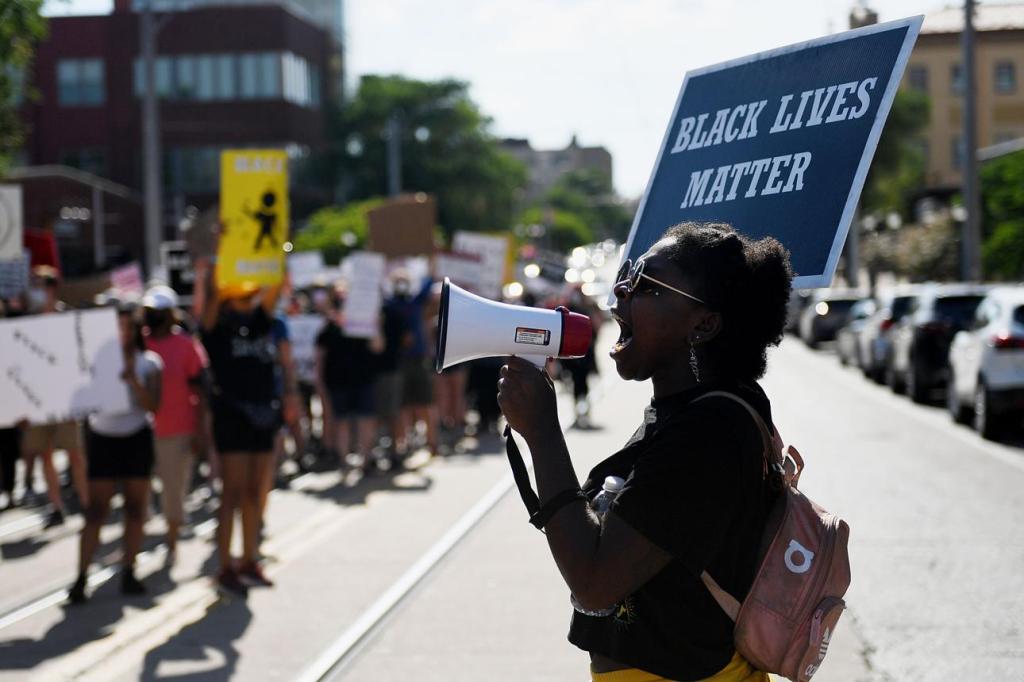
The acquittal of Rick Chow in the shooting death of Cyrus Carmack-Belton has sparked outrage across Black communities, leading to organized boycotts of Asian-owned businesses in several cities. The verdict, delivered on June 2, 2026, cleared Chow of murder charges after he claimed self-defense in the fatal 2023 confrontation at his Columbia, South Carolina, convenience store.
For many Black Americans, the case has become emblematic of systemic injustice, with critics arguing that Chow’s actions, chasing and shooting a Black teenager, should have warranted a harsher legal outcome. Social media campaigns like #BoycottAsianBiz have gained traction, urging Black consumers to redirect their spending away from Asian-owned stores in protest.
Small business owners, particularly in predominantly Black neighborhoods, report steep declines in foot traffic. Some stores have faced vandalism, while others have posted signs declaring solidarity with Carmack-Belton’s family in an attempt to ease tensions. Community leaders warn that the economic backlash risks deepening racial divisions.
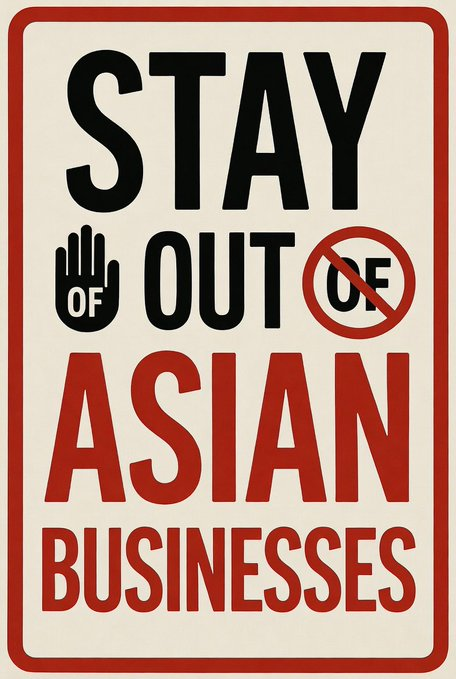
“This isn’t about all Asian people, it’s about accountability,” said activist DeMarcus Rowe at a rally in Atlanta. “But when the system keeps failing us, economic pressure is one of the few tools we have.”
Meanwhile, Asian American advocacy groups condemn the boycotts as misplaced, emphasizing that immigrant shop owners, many of whom also face systemic challenges, should not bear the brunt of legal frustration.
As the fallout continues, the situation underscores the volatile intersection of racial justice, economic survival, and the unresolved wounds of perceived judicial bias.
—Kerry Hill, B1Daily



Leave a comment