—Matt Gwinta, B1Daily
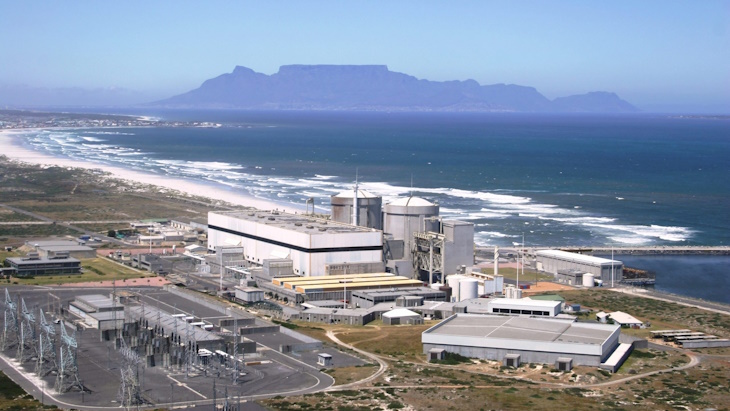
South Africa’s nuclear energy program has long been a point of national pride, with its origins deeply rooted in the apartheid era when the country pursued both civilian and military nuclear ambitions.
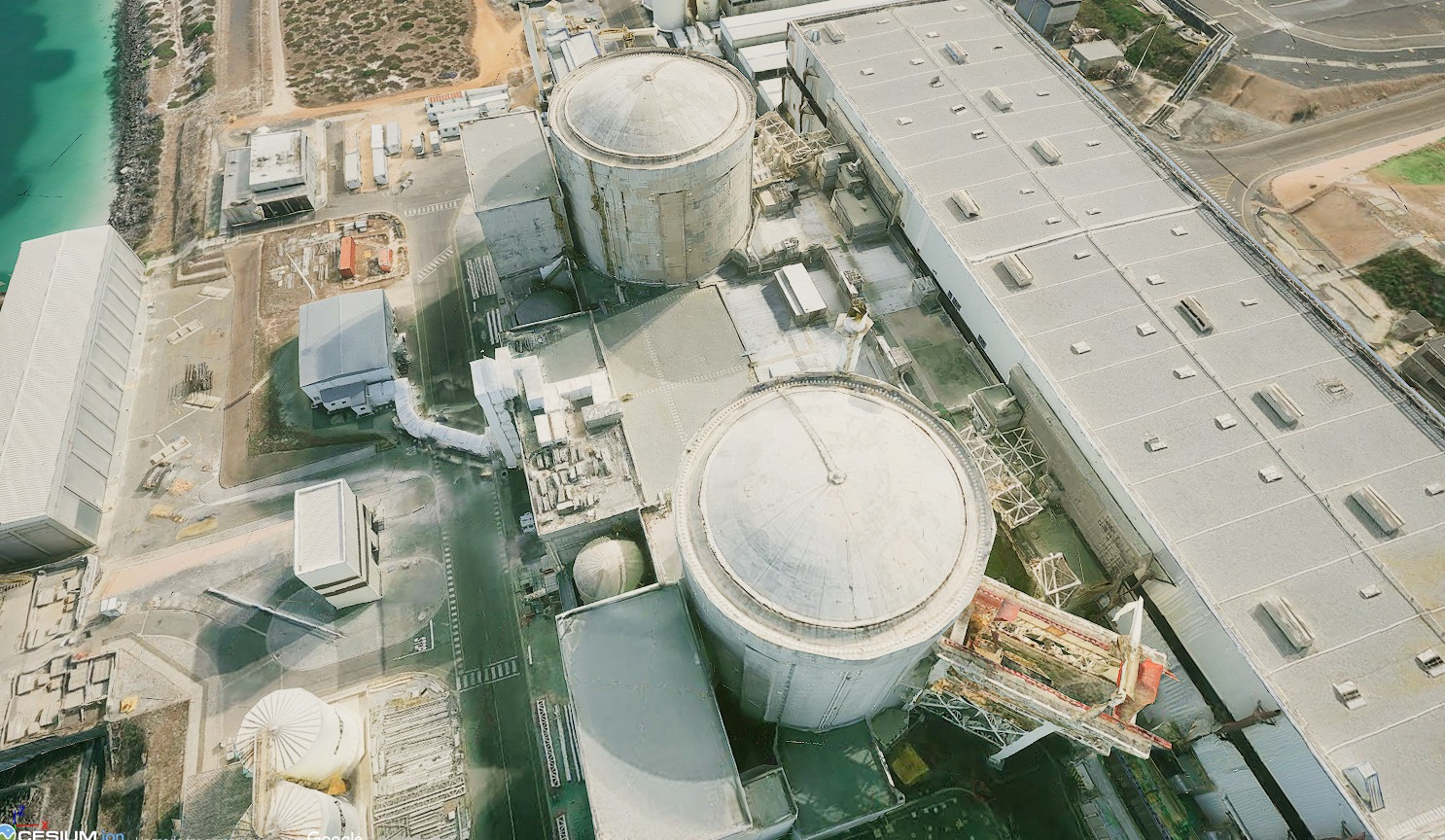
Despite the political transformation of 1994 and the dismantling of apartheid, the operational control of South Africa’s nuclear reactors, particularly at Koeberg, the continent’s only commercial nuclear power station, remains largely in the hands of the Afrikaner (Boer) technical elite. While Black South Africans have increasingly entered the sector, their roles are often limited to lower and mid-level positions, raising questions about lingering structural inequities.
Historical Roots of Boer Dominance
During apartheid, the nuclear program was tightly controlled by the Afrikaner-dominated state, with expertise cultivated within insulated institutions like the Atomic Energy Corporation (AEC). Generations of Afrikaner engineers and scientists were trained, creating a highly specialized workforce. Post-1994, while the government implemented affirmative action policies (Broad-Based Black Economic Empowerment, or B-BBEE), the nuclear sector proved resistant to rapid transformation due to its technical complexity and security sensitivities.
The Reality of Employment Today
Koeberg employs over 1,000 workers, yet senior management and critical operational roles remain disproportionately Afrikaner. Black South Africans, though present in growing numbers, are often funneled into administrative, security, or auxiliary roles rather than core reactor operations. Critics argue that institutional inertia, combined with subtle resistance from the old guard, has slowed meaningful change.
Challenges to Transformation
1. Skills Shortage: Nuclear engineering requires decades of training, and apartheid-era educational disparities left Black South Africans at a disadvantage.
2. Security Concerns:The state’s cautious approach to nuclear oversight perpetuates reliance on experienced (and predominantly white) personnel.
3. Cultural Retention: Some Afrikaner professionals privately express concerns about “losing control” of a sector they built, fueling resistance to accelerated reform.
Moving Forward
The government insists that transformation is underway, pointing to scholarship programs for Black nuclear students and partnerships with institutions like Necsa (Nuclear Energy Corporation of South Africa). Yet, without faster integration into leadership, the sector risks remaining a relic of apartheid’s legacy, a symbol of unfinished economic justice.
Whether through policy enforcement or generational turnover, the future of South Africa’s nuclear industry hinges on dismantling the last vestiges of racial gatekeeping. The reactor cores may generate energy, but the power dynamics above ground still need rewiring.
—Matt Gwinta, B1Daily





Leave a comment