—Barrington Williams, B1Daily
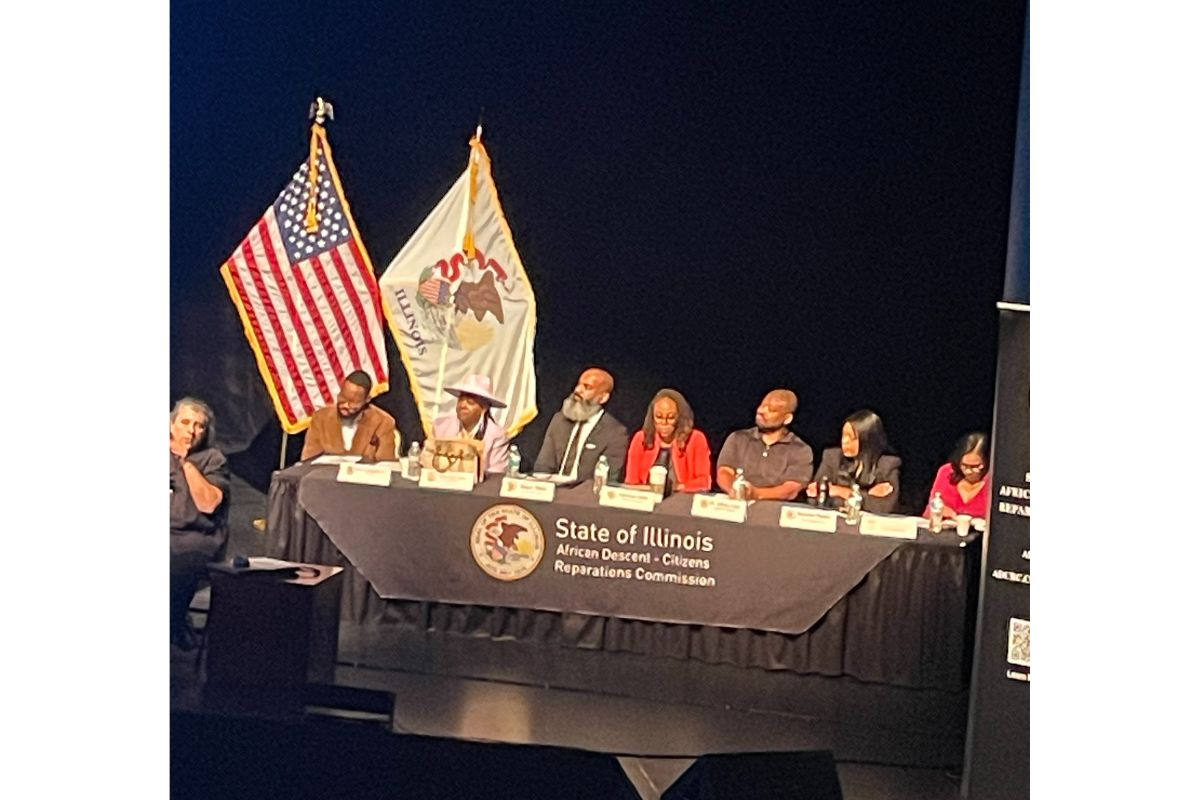
The African Descent-Citizens Reparations Commission was created with the stated goal of examining harms tied to slavery and recommending pathways for reparations, but critics are increasingly arguing that the body risks becoming more symbolic than substantive.
At its core, the commission’s legal mandate is narrow and specific: it is tasked with studying and recommending reparations for African American descendants of the American slave trade, which in itself may be problematic considering that Blacks from the Caribbean and second-generation Africans may be able to qualify under that guise.
It doesn’t mention American Freedmen in specific, and is yet another empty study.
It also does not issue payments or even start to implement programs directly. That distinction matters. The commission itself does not control funding, nor does it have the authority to distribute reparations. Instead, it produces reports and policy suggestions for lawmakers to consider.
And that’s exactly what it has done.
In 2026, the commission released a nearly 300-page report detailing what it calls “nine broad categories of harm” tied to slavery and systemic inequality in Illinois. The document traces injustices from early statehood through modern disparities, serving as a historical and analytical foundation rather than a policy blueprint with immediate financial commitments.
That’s where criticism begins to sharpen.
Opponents argue the effort feels expansive in scope but thin in execution. By examining broad categories of harm and systemic inequities across multiple sectors, the commission is seen by some as diluting focus away from direct lineage-based reparations toward a wider, more generalized equity framework. While the commission’s language still centers descendants of slavery, its recommendations touch on structural reforms that could extend beyond strictly defined recipient groups.
At the same time, the absence of clearly defined funding mechanisms has fueled the perception that the initiative is more academic than actionable. Unlike smaller, localized efforts such as Evanston’s reparations program, which tied payments to specific revenue streams like cannabis taxes, the Illinois commission has yet to present a concrete funding model attached to its recommendations.
Even structurally, the commission reflects its advisory nature. Members serve without compensation, and its primary responsibility is to report findings annually and guide legislative discussion. That setup reinforces the idea that the body is a research and consultation vehicle, not an implementation engine.
Supporters counter that this is exactly how policy should begin, with data, documentation, and careful study before dollars are allocated. They argue the report lays necessary groundwork for future legislation and ensures that any reparations program is rooted in evidence rather than political impulse.
But critics remain unconvinced.
To them, the commission risks becoming a familiar political pattern: a heavily researched report, a lengthy public conversation, and little immediate material change. Without clear funding pathways or enforceable policy proposals, they argue, the effort may amount to an extended study rather than a decisive step toward reparative justice.
As Illinois lawmakers review the commission’s findings, the real test will be whether those hundreds of pages translate into actual dollars, targeted programs, and enforceable policy, or whether they remain, as some critics put it, an “empty study” dressed in the language of progress.
—Barrington Williams, B1Daily





Leave a comment