—Terrence Dorner, B1Daily
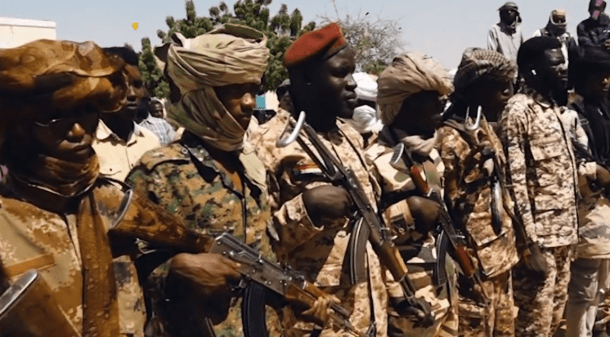
The war in Sudan has entered another grim phase as reports emerge that thousands of civilians are being held in detention by the Rapid Support Forces (RSF) in and around El Fasher, the capital of North Darfur. The allegations add to mounting evidence that the city has become one of the most dangerous and tightly controlled zones in the country’s widening civil war.
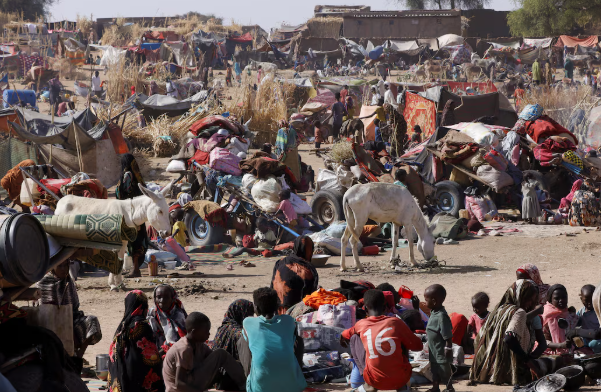
According to humanitarian monitors and medical groups cited in recent reporting, civilians—including women, children, and even medical personnel—are being detained in large numbers under harsh conditions, with limited access to food, medical care, or safe evacuation routes. Some estimates suggest that thousands remain in RSF custody across multiple sites inside the besieged city.
This situation unfolds against the backdrop of Sudan’s ongoing war between the Sudanese Armed Forces (SAF) and the RSF, a conflict that erupted in April 2023 and has since fractured the country into competing zones of control. What began as a power struggle between two armed factions has evolved into a nationwide humanitarian catastrophe marked by mass displacement, urban destruction, and repeated allegations of atrocities.
El Fasher itself has become a focal point of this violence. The RSF’s tightening grip on the city has coincided with reports of mass killings, widespread displacement, and the breakdown of essential services. UN-backed investigations and human rights monitors have previously described RSF operations in the area as bearing “hallmarks of genocide,” citing coordinated attacks on civilians and ethnic targeting.
The latest allegations of mass detention raise a new dimension to the crisis. Instead of civilians simply fleeing combat zones, many are now believed to be trapped inside them, unable to leave and vulnerable to exploitation, ransom demands, or forced displacement. Humanitarian groups have also warned that doctors and aid workers are among those detained, further weakening already collapsed medical infrastructure.
On the ground, conditions remain chaotic and largely inaccessible to independent verification. Communications are disrupted, supply routes are cut, and international aid delivery is severely restricted. In many cases, information emerges only through survivor testimony or fragmented reporting from aid networks attempting to operate under siege conditions.
The RSF, originally formed from Darfur’s Janjaweed militias, has faced repeated accusations of war crimes throughout the conflict. Its role in El Fasher has become especially controversial as competing reports describe a mix of military control, civilian detention, and forced population movement.
Meanwhile, the broader war shows no sign of resolution. International mediation efforts have repeatedly failed to secure lasting ceasefires, and both major factions continue to vie for territorial control across Sudan’s vast landscape.
For civilians trapped in El Fasher, however, diplomacy feels distant. The immediate reality is containment—cities encircled, families separated, and thousands reportedly held in conditions that humanitarian groups describe as dire and increasingly unstable.
As Sudan’s war stretches into another year, El Fasher stands as a stark symbol of its transformation: not just a battlefield, but a locked container of civilians caught inside a conflict that continues to tighten rather than loosen its grip.
—Terrence Dorner, B1Daily




Leave a comment