—Terrence Dorner, B1Daily
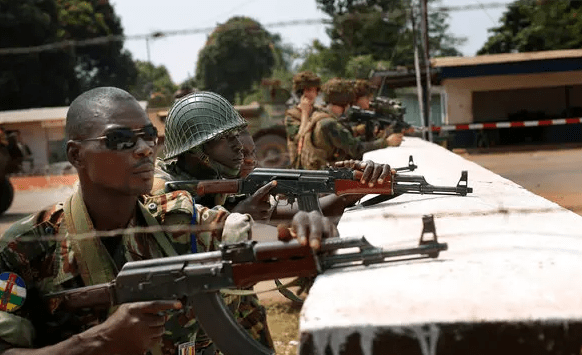
A deadly clash over access to water in eastern Chad has left at least 42 people dead, underscoring how something as basic as survival resources is becoming a trigger for large-scale violence in the Sahel. The incident, which reportedly escalated from a dispute between two families over a water point in Wadi Fira province, quickly spiraled into retaliatory attacks that overwhelmed local authorities and required military intervention to restore order.
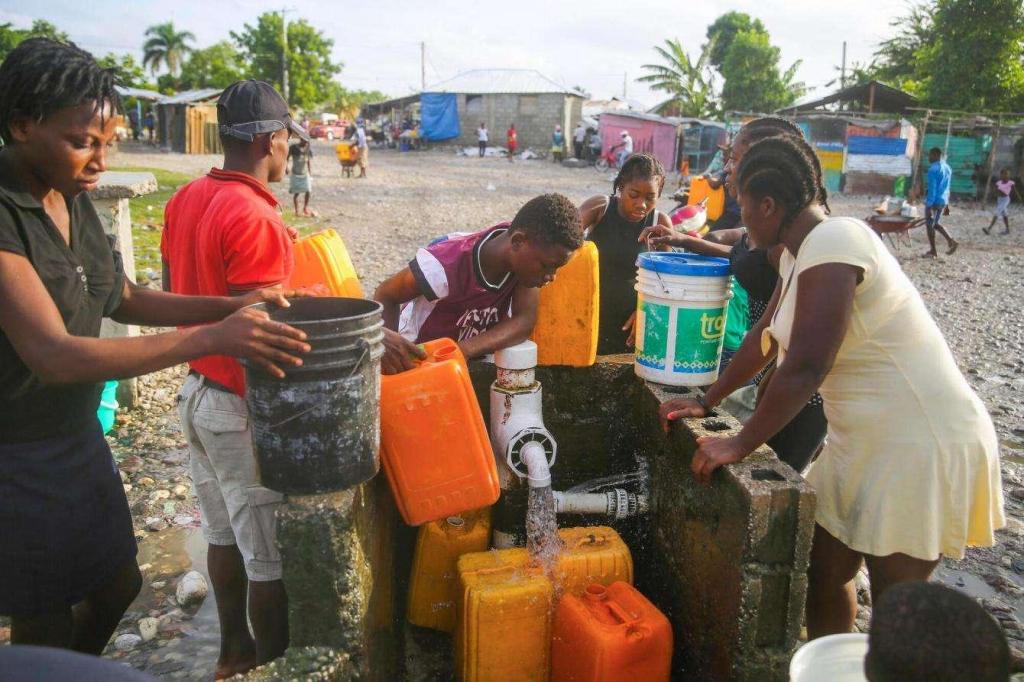
What appears at first glance to be a localized tragedy is, in reality, part of a broader structural crisis spreading across the Sahel region: water scarcity is no longer just an environmental stressor, but a direct driver of conflict. In Chad, where desertification, population growth, and climate variability are converging, access to wells and water points has become a matter of life, death, and increasingly, armed confrontation.
Water as a Strategic Resource
In many parts of eastern and southern Chad, water access is governed less by formal infrastructure and more by customary arrangements between communities. When those systems break down, competition can escalate rapidly. The recent violence in Wadi Fira reflects how fragile these arrangements have become under pressure from prolonged drought conditions and population displacement.
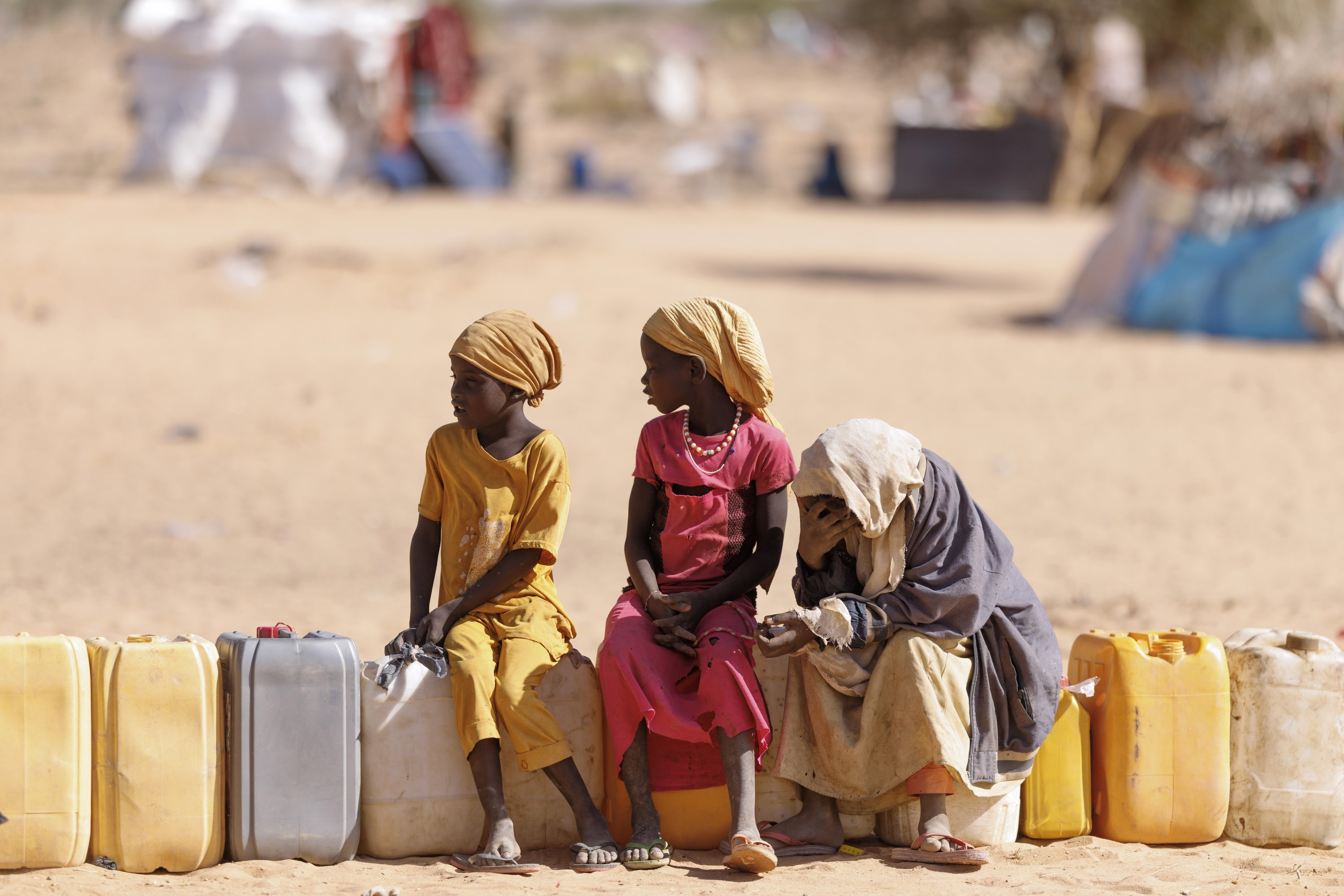
The situation is further intensified by Chad’s role as a regional refuge zone for populations fleeing the war in neighboring Sudan. The influx of hundreds of thousands of displaced people has placed additional strain on already limited water and food resources, effectively compressing scarcity into flashpoints where small disputes can ignite widespread violence.
A Pattern Across the Sahel
Chad is not an isolated case. Across the broader Sahel belt, similar dynamics are unfolding. Climate stress, weak governance, and population movement are converging to create recurring conflict zones over wells, grazing land, and irrigation access. These disputes often follow a familiar escalation pattern: local disagreement, community retaliation, then rapid militarization of the situation once casualties mount.
What makes Chad particularly vulnerable is the overlap between resource conflict and broader insecurity. The country already faces armed insurgencies and cross-border instability linked to militant activity in the Lake Chad Basin and surrounding regions. This means that even non-political disputes can quickly become entangled with wider security dynamics.
The Security Burden on the State
Chad’s government response to these incidents typically involves rapid military deployment, as seen in the Wadi Fira clashes where army units intervened to contain violence and stabilize the area. However, this reactive model does little to address the root causes. In many cases, the state arrives after the conflict has already expanded beyond its original scope.
Judicial proceedings and mediation efforts are often announced afterward, but enforcement capacity remains limited in remote regions. This creates a cycle where violence is contained temporarily but not structurally prevented.
Regional Implications for the Sahel
The implications extend far beyond Chad’s borders. The Sahel is already one of the most fragile security zones in the world, and resource-based conflicts are adding another layer of instability to an environment shaped by insurgency, weak institutions, and climate stress.
As water becomes more scarce, competition over access points is likely to intensify. In regions where armed groups already operate, these disputes risk being exploited or absorbed into broader cycles of violence. Even where no militant presence exists, the breakdown of trust between communities can lead to long-term fragmentation of local governance systems.
In this sense, water is becoming a strategic variable in Sahel security architecture. It is no longer just an environmental issue, but a structural pressure point shaping conflict dynamics at both local and regional levels.
A Warning Sign, Not an Isolated Event
The deadly clashes in Chad should be understood as a warning indicator rather than an anomaly. They reflect a wider reality in which climate stress and governance gaps are converging into recurring instability.
Without significant investment in water infrastructure, dispute resolution mechanisms, and regional coordination, the Sahel risks entering a cycle where essential resources become continuous triggers for violence. In that scenario, water scarcity does not merely accompany conflict—it helps define it.
For Chad and its neighbors, the challenge ahead is not only to manage security threats, but to stabilize the very resources that underpin human survival.
—Terrence Dorner, B1Daily





Leave a comment