—Kel McKnight, B1Daily
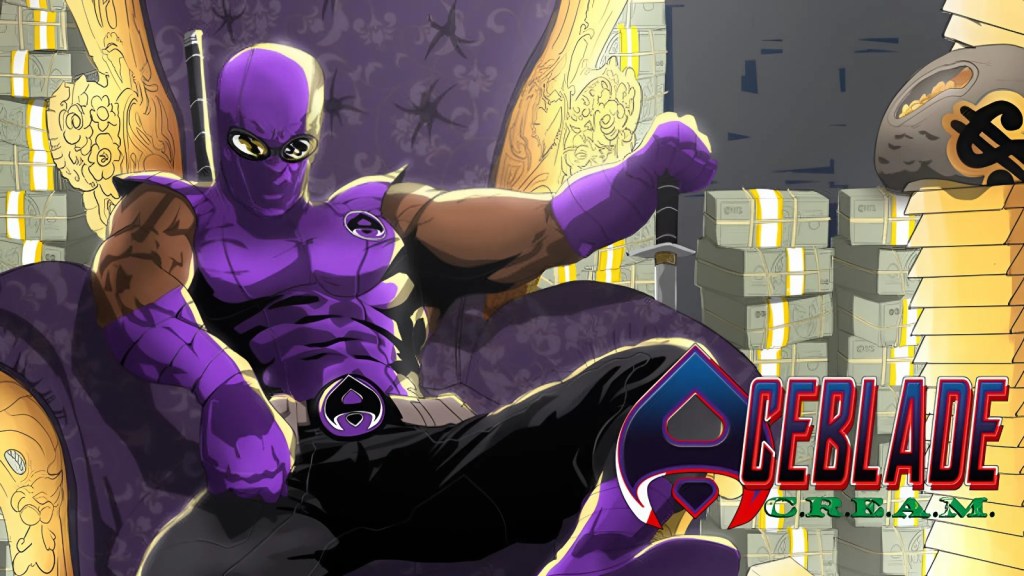
Danny J. Quick has brought his indie superhero creation Aceblade back into the spotlight with a full 10-issue revival, marking a significant milestone for one of the more recognizable Black independent comic creators working outside the traditional industry pipeline.
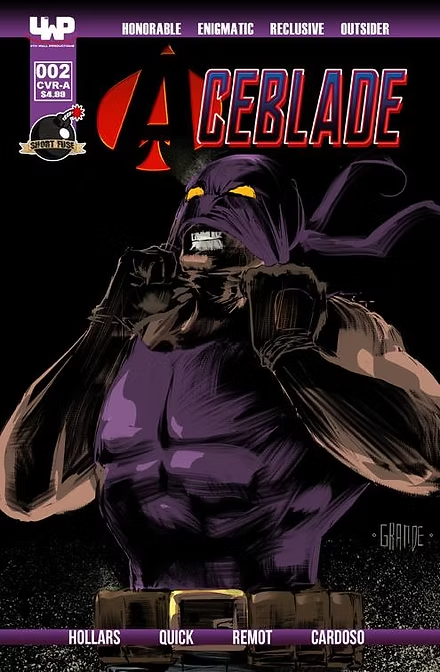
The return of Aceblade is more than a nostalgic reboot. It signals sustained creative momentum in a space where independent comics often struggle to maintain long-form publishing cycles. A 10-issue commitment in the indie world is not casual; it is structural confidence in both audience demand and narrative depth.
At its core, Aceblade is a high-energy fusion of cyberpunk aesthetics and grounded street-level heroism. The story follows a masked vigilante operating in a fractured, neon-drenched urban environment where corporate power, underground syndicates, and enhanced technology collide. Aceblade himself is positioned as both enforcer and anomaly—someone navigating moral collapse while wielding abilities and combat skills that make him both protector and disruptor.
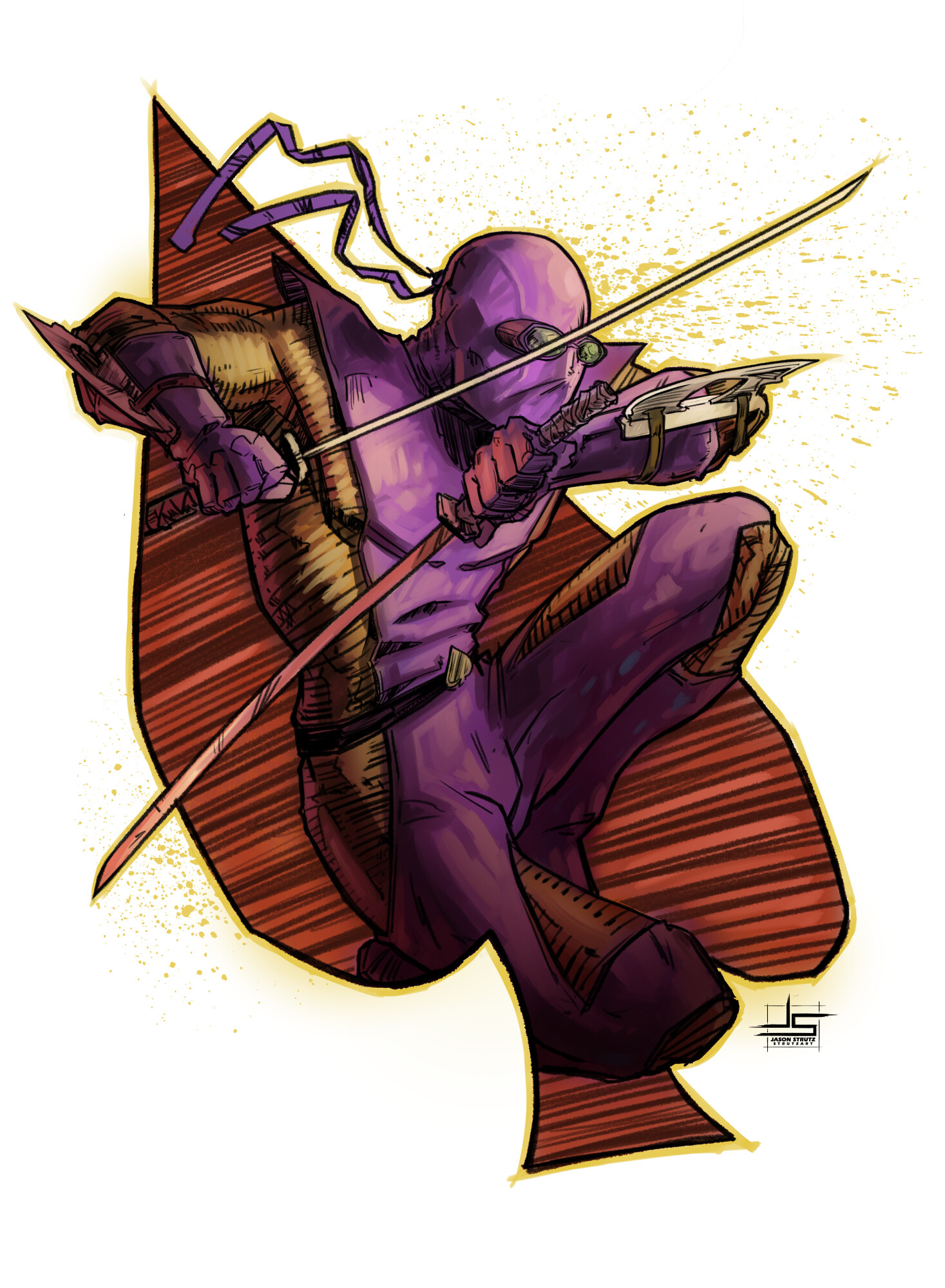
The narrative strength of the series lies in its dual identity structure. On one side, it embraces fast-paced action sequences, stylized combat, and futuristic worldbuilding. On the other, it leans into themes of identity, legacy, and survival within systems that were never designed for justice in the first place. That balance has helped the series stand out in the crowded indie superhero landscape.
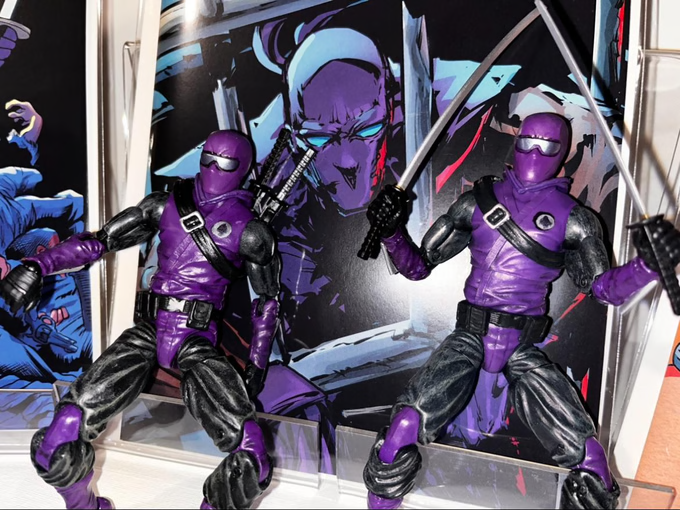
Readers have consistently pointed to the series’ visual direction as one of its strongest assets. The design language of Aceblade’s world leans into sharp contrasts: glowing cityscapes against decaying infrastructure, hyper-modern tech layered over social collapse, and a protagonist visually defined by both armor and restraint. The aesthetic feels intentionally cinematic, as if each issue is designed to function like a storyboarded sequence rather than a static comic page.
What makes this 10-issue return notable is not just continuation, but expansion. Early reactions suggest the new run deepens the mythology around Aceblade’s origins and raises the stakes of his conflict with the forces controlling his city. Rather than resetting the story, the revival builds forward, treating the previous material as foundation rather than history.
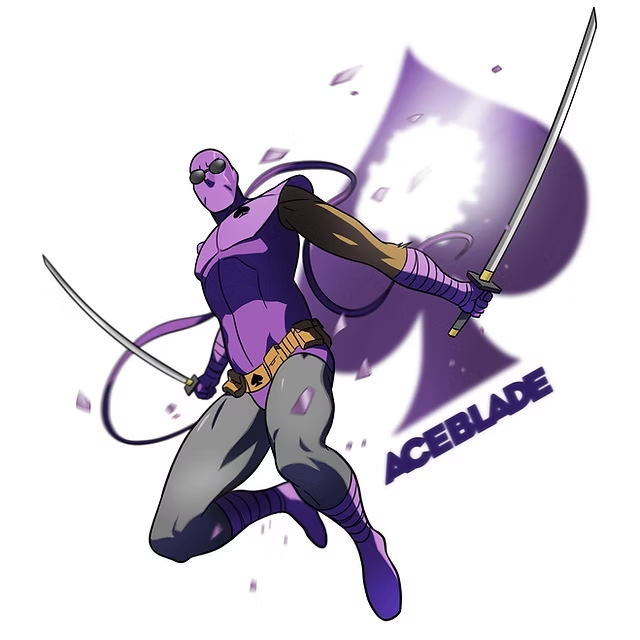
In an industry often dominated by legacy publishers, the success of Aceblade highlights how independent creators are carving out sustained narrative ecosystems without traditional gatekeeping. For Danny J. Quick, the return of the series represents both creative persistence and audience validation.
Aceblade’s revival does not just extend a story. It reinforces the idea that independent comics can compete in scope, ambition, and longevity when the audience and creator ecosystem align.
—Kel McKnight, B1Daily




Leave a comment