—Barrington Williams, B1Daily
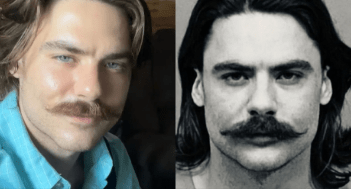
Nashville, TN — Civil rights advocates are preparing legal action against Tennessee law enforcement agencies for their failure to intervene in the escalating controversies surrounding streamer Dalton Levi “ChudTheBuilder” Eatherly, who has been accused of repeatedly using racial slurs against Black civilians and inciting violent confrontations, actions that could constitute hate crimes under state and federal law.
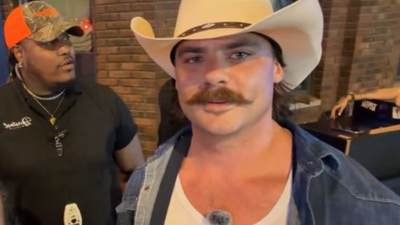
The backlash follows Eatherly’s recent suspension and demonetization from Kick after a viral clip showed him aggressively harassing Black individuals in public while hurling racial epithets.
Critics argue that local authorities had multiple opportunities to intervene but chose not to pursue charges, despite clear evidence of targeted intimidation.
Legal experts suggest that Tennessee’s hate crime statutes, which enhance penalties for offenses motivated by race, could apply, but only if law enforcement takes action. “When someone repeatedly engages in racially motivated threats or harassment, and authorities ignore it, they risk enabling a dangerous precedent,” said civil rights attorney Marcus Holloway. “Victims may have grounds for a lawsuit against the state for negligence.”
Eatherly, known for his confrontational “prank” streams, has a history of sparking outrage. His latest incidents, however, have drawn scrutiny not just toward him, but toward the systems that allow such behavior to persist unchecked.
Community organizers are now pressuring the Tennessee Attorney General’s office to open an investigation into potential dereliction of duty by local police.
The case raises broader questions about the limits of free speech versus criminal conduct, particularly when livestreamers weaponize platforms to target marginalized groups.
As lawsuits loom, Tennessee’s response, or lack thereof, could set a critical legal precedent for how hate speech is policed in the digital age.
—Barrington Williams, B1Daily



Leave a comment