—Kerry Hill, B1Daily
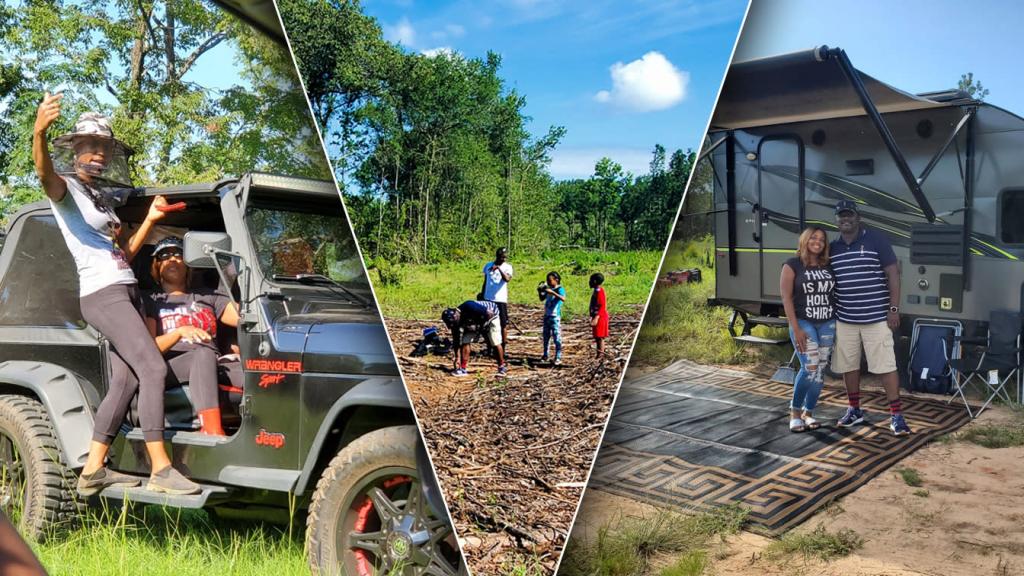
In 2020, while the country argued itself hoarse and cities pulsed with protest, nineteen Black families made a quieter move with louder implications. They bought nearly 97 acres in Wilkinson County, just outside Toomsboro, and named it Freedom, Georgia, a place designed not as an escape hatch, but as a foundation.
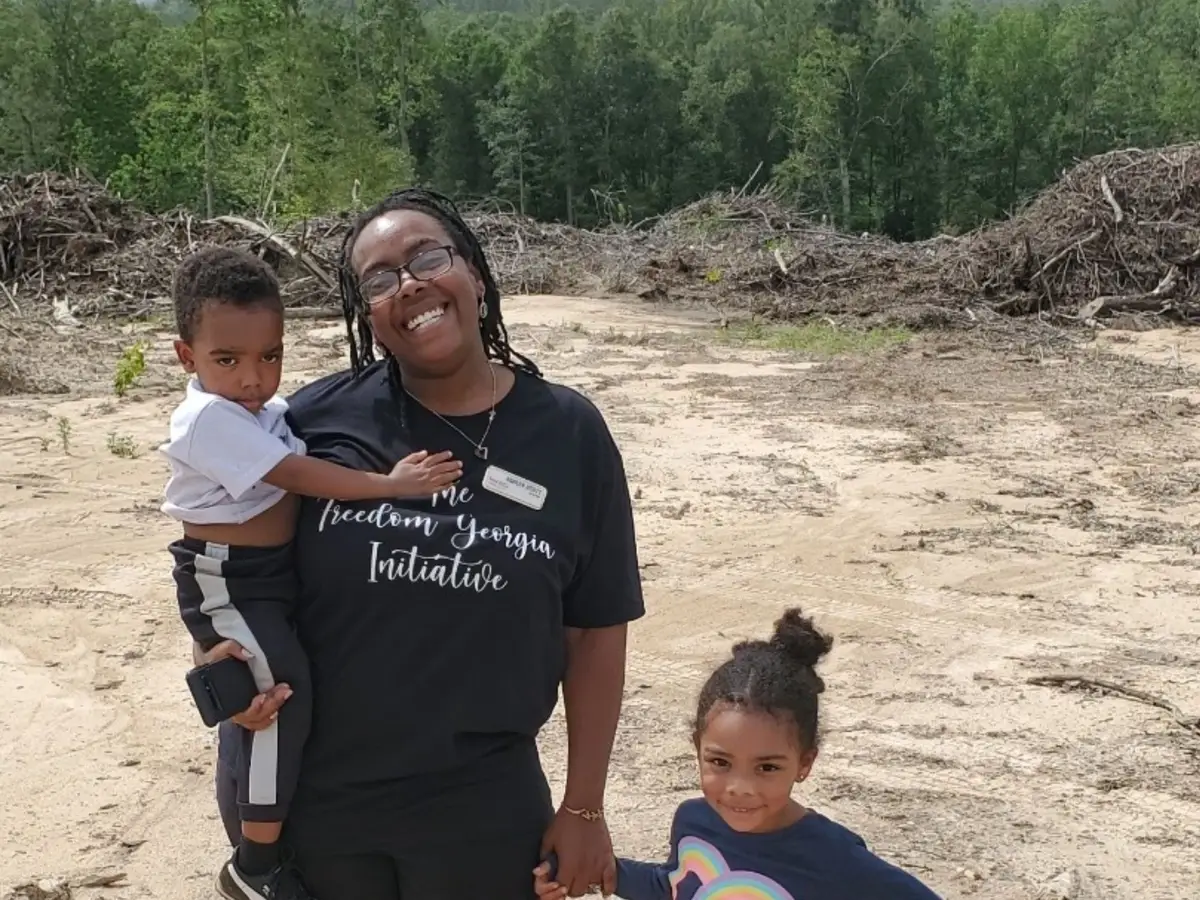
This wasn’t a retreat from America. It was a recalibration of how to exist within it.
The project grew under the banner of Freedom Georgia Initiative, with a clear vision: build a self-sustaining community rooted in ownership, safety, and economic independence. Land first. Everything else follows. That principle has echoed through Black history for generations, especially for descendants of the Freedmen, where land ownership has always meant more than property, it meant leverage, stability, and the ability to write your own rules.
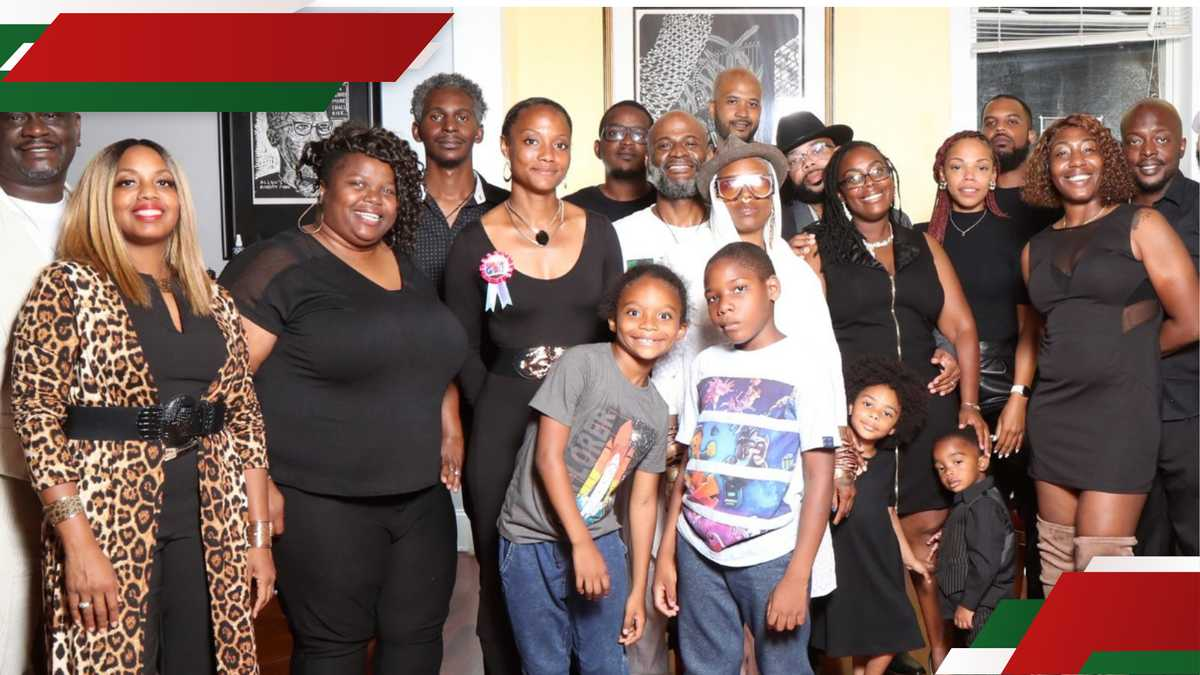
Freedom, Georgia leans into that tradition with intention. The land isn’t just acreage, it’s infrastructure waiting to happen. Plans have included housing, agriculture, and business development, all designed to circulate wealth within the community instead of watching it leak out. The goal isn’t isolation; it’s insulation. A place where opportunity doesn’t depend on outside permission.
And let’s be honest, moves like this don’t happen in a vacuum. Rising tensions, economic disparities, and a long history of uneven protection under the law all played their part. For these families, buying land wasn’t just an investment. It was a statement: if systems don’t deliver security or prosperity, build something that does.
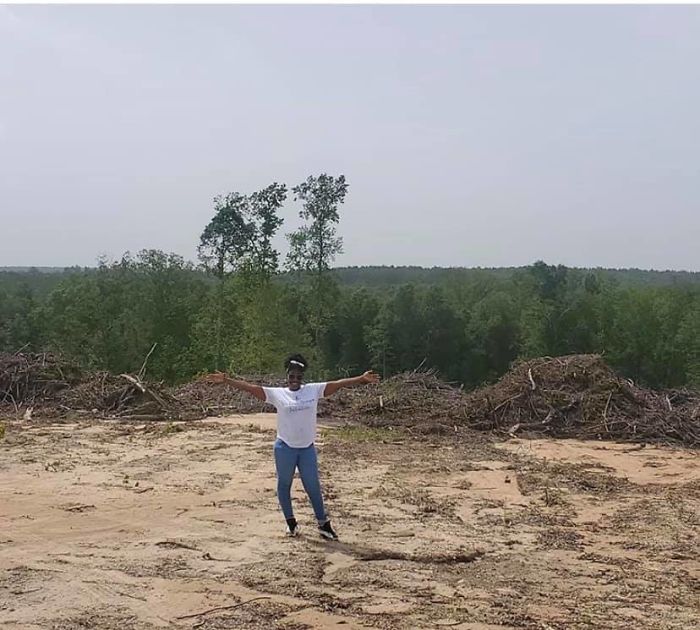
There’s also a deeper historical current running beneath this. Black land ownership in America has always been fragile, built, taken, rebuilt, and taken again. From Reconstruction-era gains to the steady erosion through discriminatory policies and outright theft, the story is full of progress interrupted. Freedom, Georgia reads that history and responds with a kind of quiet defiance: this time, hold the line.
From a fan-of-the-movement perspective, what makes this powerful isn’t just the purchase, it’s the mindset. These families didn’t wait for perfect conditions. They didn’t wait for policy to catch up. They pooled resources, made a decision, and carved out space in a system that rarely hands it over.
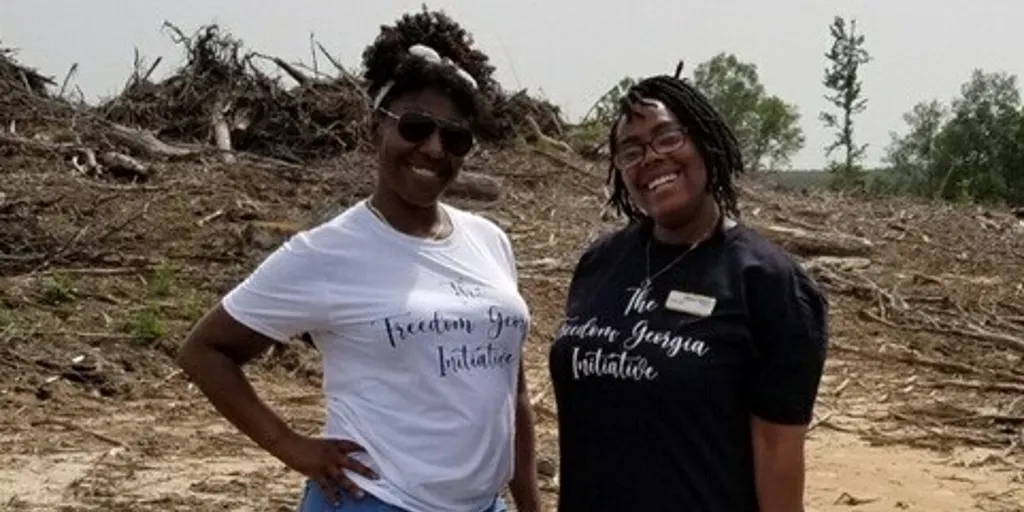
Of course, ambition comes with friction. Building a self-sustaining community from raw land isn’t easy. Infrastructure costs money. Economic ecosystems take time. There’s always the question of scale—how big can something like this get before it runs into the same external pressures it’s trying to buffer against?
But maybe scale isn’t the only metric that matters.
Maybe the real impact is symbolic and strategic. Freedom, Georgia plants a flag in the ground and says: ownership is still the play. Community is still the strategy.
And self-determination isn’t a slogan, it’s a process.
The land sits quietly in Wilkinson County, but the idea travels. It sparks conversations about economic independence, cooperative ownership, and what it actually takes to build safety that isn’t conditional.
Ninety-seven acres won’t fix everything.
But it’s enough to start something that doesn’t ask for permission to exist.
—Kerry Hill, B1Daily





Leave a comment