—Vincent Willow, B1Daily
In a country that prides itself on fairness, one woman’s reality reads more like a slow-burning indictment than a safety net.
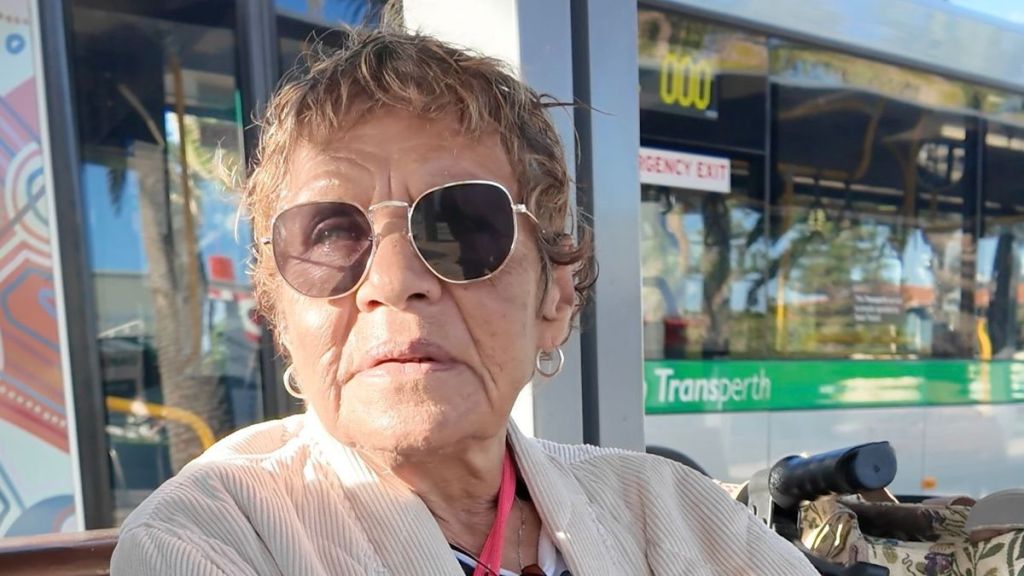
A 61-year-old Aboriginal woman in Western Australia is battling stage four cancer while simultaneously fighting another, quieter war: the search for a place to live. Her name is Tania Narrier, and despite being officially classified as a priority housing case, she’s been told permanent housing could still be years away.
That’s not a delay. That’s a countdown she may not survive.
Narrier has been moving between short-term stays with family as her health deteriorates, her life reduced to temporary roofs and borrowed space. The instability isn’t just inconvenient, it’s dangerous. For someone undergoing serious medical treatment, the lack of consistent housing turns every day into a logistical and physical gamble.
And yet, the system has a response that feels almost mechanical in its indifference.
Officials acknowledge her condition. They recognize her urgency. They’ve even approved her for priority housing. But priority, it turns out, doesn’t mean immediate. It means waiting in a different line, surrounded by others equally desperate, equally stuck.
In plain terms, she’s been told her situation cannot be expedited any further.
Narrier herself has begun to lose hope. According to reporting, she doubts she’ll live long enough to ever receive a permanent home.
That sentence alone should rattle something loose in the public conscience.
Her story also exposes deeper fractures, ones that go beyond housing shortages and into the realm of systemic failure. Narrier has described her cancer care experience as marked by racism and neglect, suggesting that what she’s facing isn’t just a broken housing system, but a broader pattern of unequal treatment.
Zoom out, and the pattern becomes harder to ignore.
Across Australia, Indigenous communities continue to face disproportionate rates of homelessness, health disparities, and limited access to stable support systems. Cases like Narrier’s don’t exist in isolation; they sit inside a wider crisis where vulnerability stacks on vulnerability until people fall through entirely.
And when someone with a terminal illness is left waiting indefinitely for basic shelter, the question shifts from policy to morality.
Because at that point, it’s not just about housing supply.
It’s about what kind of society tells a dying woman to hold her place in line.
—Vincent Willow, B1Daily




Leave a comment