—Vincent Willow, B1Daily
There are stories that hurt.
And then there are stories that expose something rotten at the core.
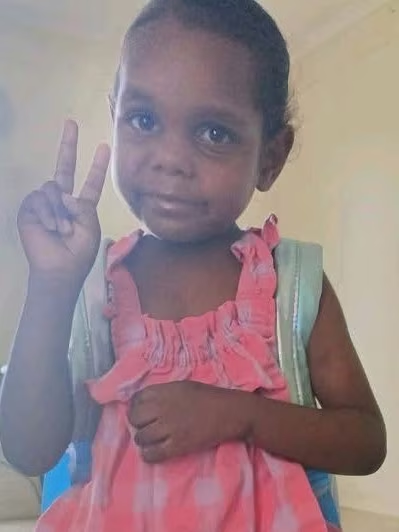
The death of five-year-old Kumanjayi Little Baby in Alice Springs isn’t just a tragedy. It’s a mirror held up to a system that keeps failing the same people, the same communities, the same children… over and over again.
Because let’s strip away the polite language for a second.
A little girl was taken from her bed.
A five-day search followed.
Then her body was found.
And now?
Now comes the outrage. The statements. The hand-wringing.
Right on schedule.
This Didn’t Come Out of Nowhere
The accused, a 47-year-old man, has already been charged with her murder.
But if you think this story begins and ends with one man, you’re missing the bigger, uglier picture.
Kumanjayi Little Baby lived in a town camp on the outskirts of Alice Springs, communities long known for overcrowding, instability, and chronic under-resourcing.
That’s not breaking news.
That’s been documented. Studied. Debated. Ignored.
For years.
So when people act shocked, it rings hollow.
This wasn’t unpredictable.
It was allowed to happen.
Grief Turned Into Fire
The aftermath tells you everything about how deep the pain runs.
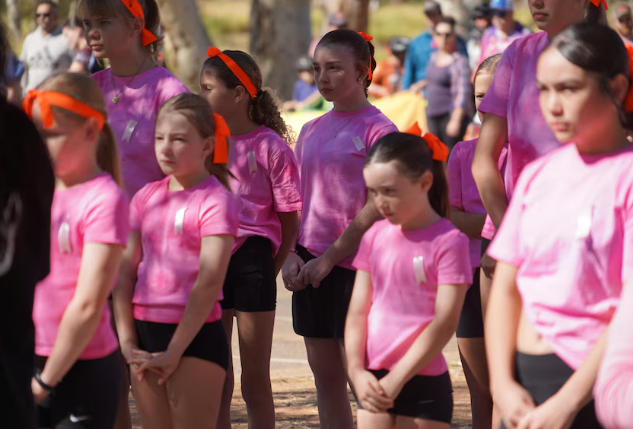
Crowds gathered.
Anger exploded.
Police deployed tear gas.
This wasn’t random chaos. It was grief boiling over into something the system could no longer contain.
Because when justice feels distant, delayed, or disconnected, people stop trusting it.
Some demanded “payback.” Others just wanted answers.
And who can honestly blame them for feeling like the system has failed them long before this moment?
The Same Cycle, Different Headline
Here’s the part that should make people uncomfortable.
Indigenous children in Australia face systemic disadvantage across housing, healthcare, and safety.
Not occasionally.
Consistently.
And every time a tragedy like this happens, the script plays out the same way:
Shock.
Grief.
Political debate.
Then silence.
Until the next child.
The System Isn’t Broken—It’s Performing Exactly as Designed
One of the most cutting observations floating around right now compares this situation to a cruel social bargain: a nation that prospers while its most vulnerable suffer in the background.
That’s not just poetic outrage. It’s a warning.
Because when entire communities are left dealing with overcrowding, poverty, and limited access to services, the outcome isn’t a mystery.
It’s math.
And the result is exactly what we’re seeing now.
A Child’s Name That Shouldn’t Be Forgotten
Even the name “Kumanjayi Little Baby” carries cultural weight, used in accordance with Aboriginal traditions after death.
That alone should remind people this isn’t just another headline.
This is a child.
A family.
A community shattered.
So What Now?
That’s the question that matters.
Not the court date.
Not the political talking points.
Not the temporary surge of attention.
What actually changes?
Because if the answer is “nothing meaningful,” then this story isn’t just tragic.
It’s a preview.
A five-year-old girl is gone.
And if this country can’t look at that reality without deflecting, minimizing, or delaying action, then the real story isn’t just about one act of violence.
It’s about a system that keeps creating the conditions for it.
And until that’s confronted head-on, there will always be another name. Another vigil. Another headline that reads like déjà vu written in grief.
—Vincent Willow, B1Daily




Leave a comment