—Sylvester Loving, B1Daily
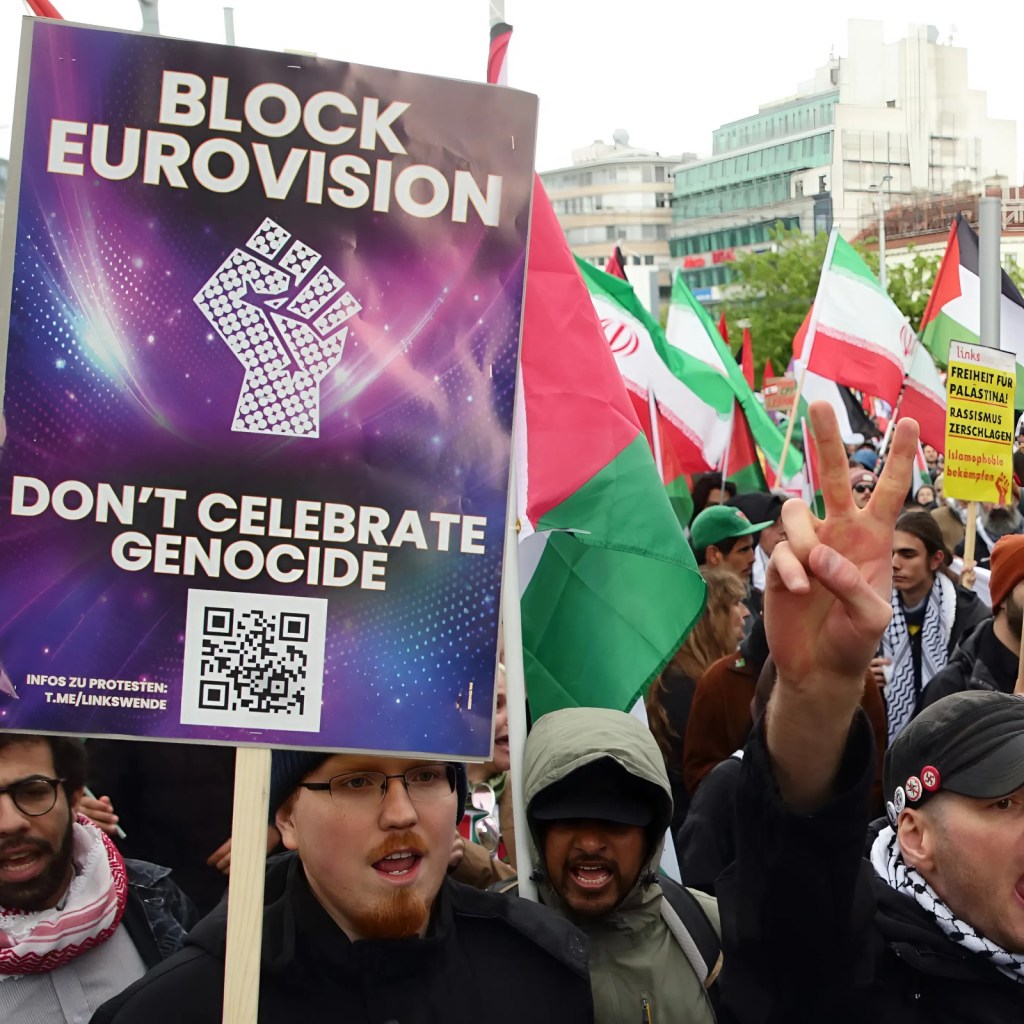
The smoke machines were still coughing glitter into the air when Eurovision’s carefully polished fantasy universe finally cracked down the middle. One minute it was synth-pop, chrome jumpsuits and key changes dramatic enough to restart a heart. The next, broadcasters were pulling entire countries out of the contest while protesters flooded the streets over Israel’s war in Gaza.
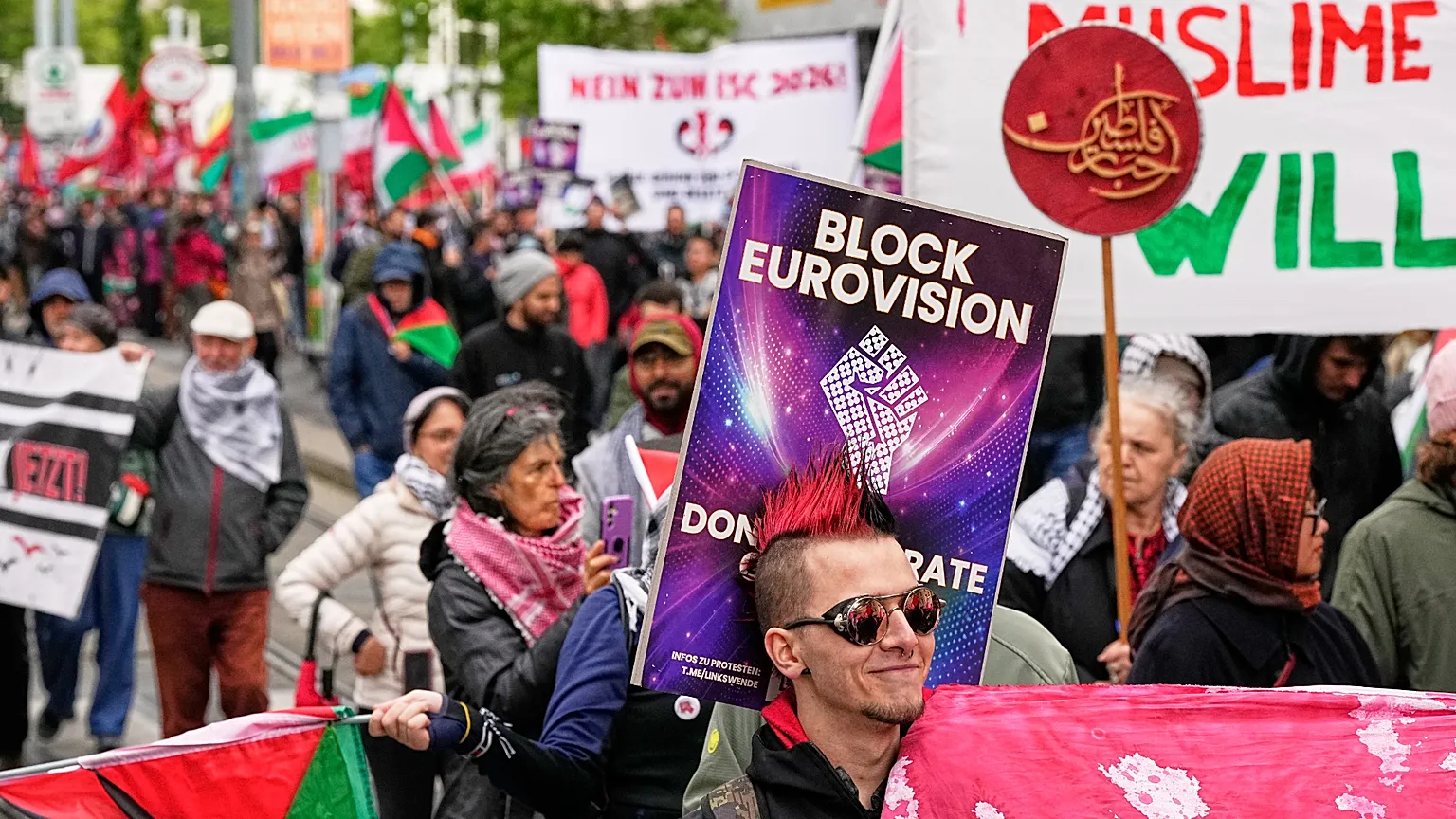
Spain, Ireland, the Netherlands, Slovenia and Iceland have all withdrawn from this year’s competition, turning Eurovision’s 70th anniversary into a diplomatic car crash with a smoke machine attached.
The withdrawals came after the European Broadcasting Union, or EBU, decided not to suspend Israel from the contest despite mounting pressure from broadcasters, artists and activists across Europe. Critics accused Eurovision organisers of applying a glaring double standard after Russia was swiftly banned following its invasion of Ukraine in 2022, while Israel has remained in the competition throughout the devastating Gaza conflict.
And suddenly, the annual competition famous for novelty acts and bewildering key changes found itself trapped in the middle of one of the world’s most explosive geopolitical arguments.
Spain emerged as one of the loudest voices of dissent. Spanish broadcaster RTVE reportedly argued that allowing Israel to compete while Gaza continues to endure catastrophic civilian casualties made the contest’s claims of political neutrality impossible to take seriously.
Ireland’s broadcaster RTÉ went even further, reportedly describing participation under the current circumstances as “unconscionable”.
Meanwhile, Slovenia’s public broadcaster openly questioned why Russia could be removed from Eurovision over Ukraine while Israel faced no comparable punishment, accusing the EBU of abandoning its own standards.
Iceland eventually joined the boycott as public pressure intensified, making it the fifth nation to withdraw from the competition.
The fallout has been enormous.
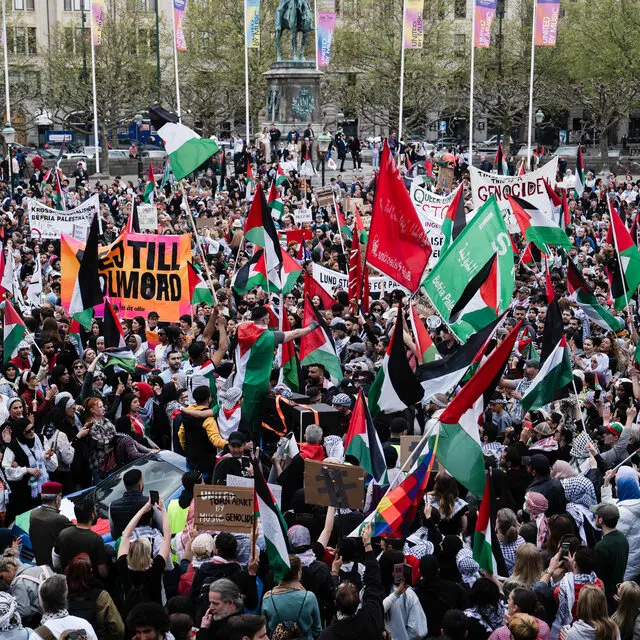
Eurovision, which ordinarily markets itself under the slogan “United By Music”, now looks less like a harmless pop spectacle and more like a fractured mirror reflecting Europe’s political divisions. Vienna, this year’s host city, has seen demonstrations, protests and heightened security surrounding the event.
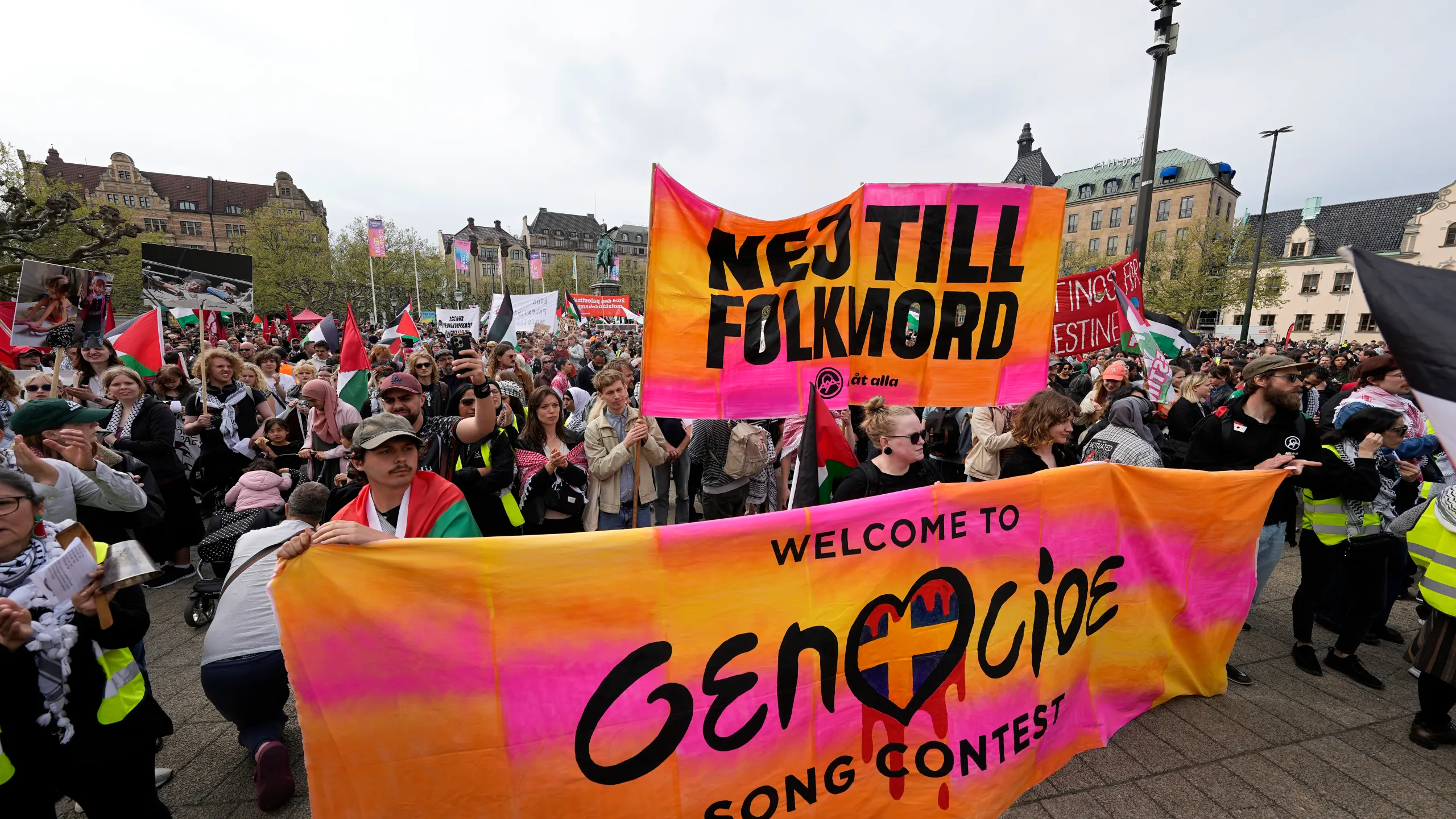
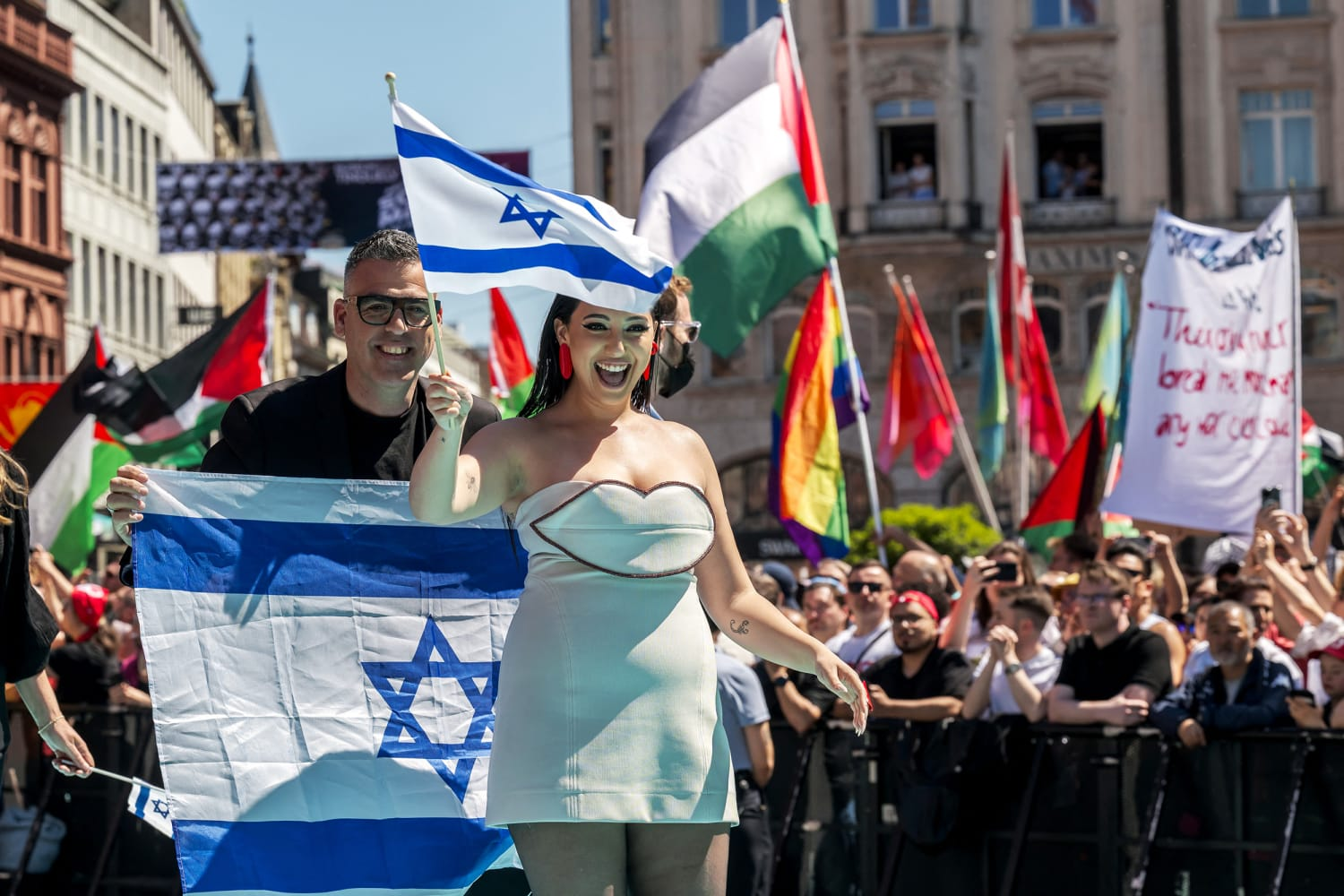
Outside the arena, thousands reportedly marched against Israel’s inclusion, while inside the competition itself, Israel’s performer faced boos and demonstrations during rehearsals and live broadcasts.
The EBU has insisted Eurovision remains a non-political event, though that argument is beginning to sound thinner than a supermarket teabag. The competition has long operated as a soft-power stage where nations project culture, identity and diplomacy through music. Politics has always lurked beneath the glitter. This year it simply kicked the dressing-room door open.
What makes the controversy particularly damaging is the perception that Eurovision’s rules are being selectively enforced. Critics argue the organisation moved decisively against Russia but has hesitated when confronted with Israel, creating accusations of institutional hypocrisy that now threaten the contest’s credibility itself.
Even former Eurovision loyalists are beginning to question whether the event can maintain its image as a unifying cultural institution while war dominates headlines and broadcasters continue to defect.
The numbers matter too.
With five countries gone, Eurovision has shrunk to just 35 participating nations, reportedly its smallest field in more than two decades. The boycott has also rattled broadcasters worried about declining viewership, political backlash and growing public anger surrounding the event.
And yet the EBU appears determined to hold the line.
Israel remains in the contest. The protests continue. The broadcasters remain split. The audience remains bitterly divided.
What once felt like Europe’s annual neon-drenched fever dream has become something much heavier: a cultural battlefield where music, politics and war now collide in full public view.
Eurovision wanted another celebration of European unity.
Instead, it got a geopolitical reckoning with a soundtrack.
—Sylvester Loving, B1Daily




Leave a comment