—Barrington Williams, B1Daily
The livestreaming world has entered its cigarette company phase.
For years, platforms grew by pretending they were merely neutral pipes. Just websites. Just tools. If users turned those tools into engines for harassment, racism, threats, or public disorder, executives could shrug and point toward “community guidelines” floating somewhere in microscopic font beneath a Terms of Service nobody reads.
But as streaming culture becomes increasingly tied to real-world violence, harassment campaigns, hate speech, and dangerous public stunts, that legal shield may not remain indestructible forever. And few platforms embody that tension more than Kick.
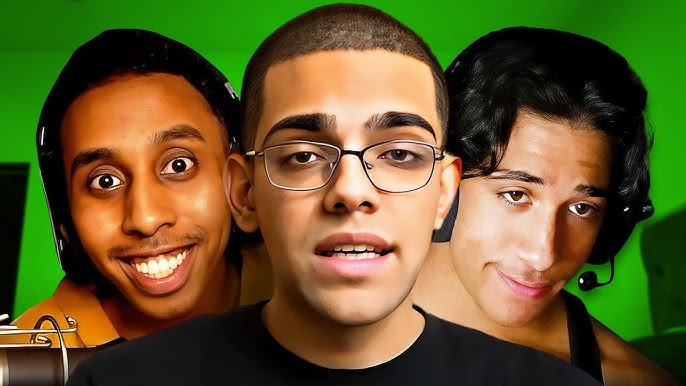
The platform exploded in popularity by marketing itself as the rebellious alternative to sanitized corporate streaming spaces. Looser moderation. Bigger payouts. Fewer restrictions. The digital Wild West wrapped in neon-green branding. To frustrated creators tired of censorship debates, it looked liberating. To critics, it looked like somebody replacing a school crossing guard with a flamethrower.
Now questions are growing louder around whether platforms like Kick could someday face legal consequences for repeatedly platforming creators accused of racist harassment, incitement, or dangerous conduct.
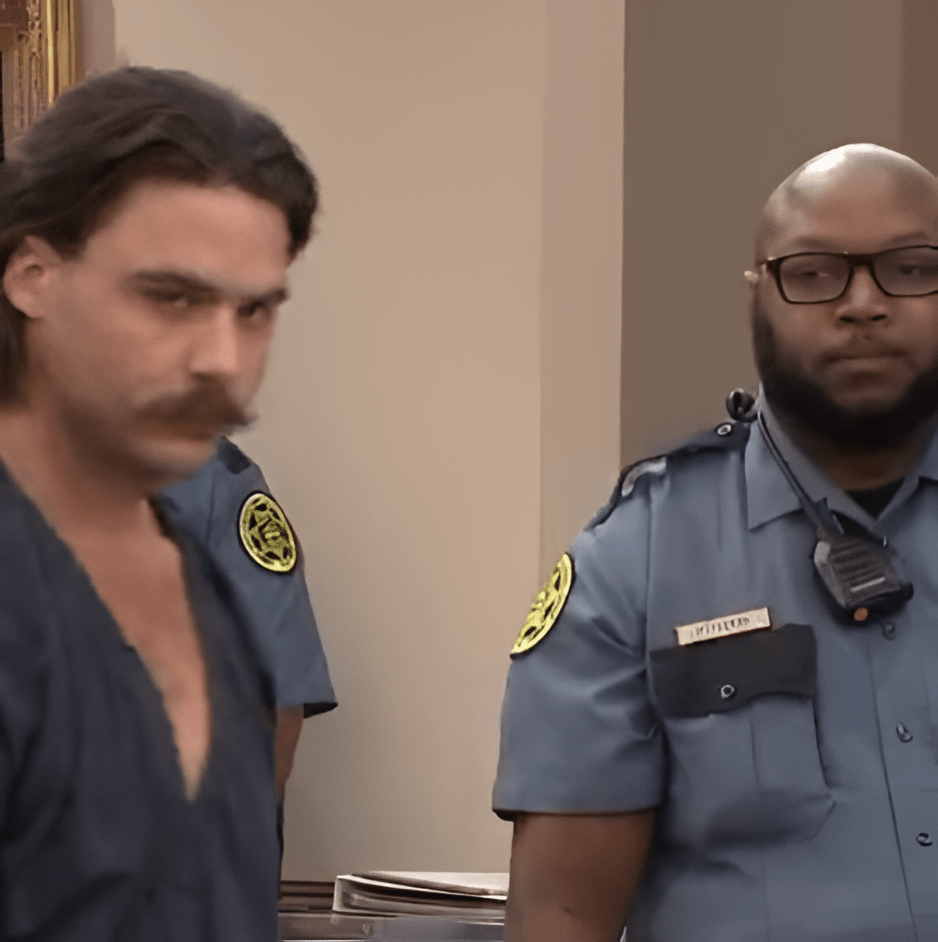
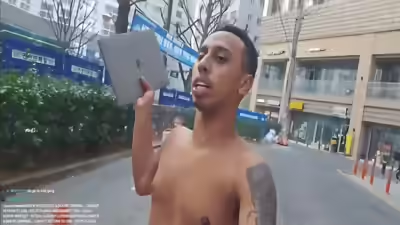
Among the most controversial figures orbiting this ecosystem are personalities like Chud the Builder and Johnny Somali, both of whom have been heavily criticized online for inflammatory behavior and provoking hostile confrontations. Johnny Somali in particular became internationally notorious for disruptive livestream antics, harassment incidents, and behavior that reportedly triggered public outrage and legal scrutiny overseas.
Critics argue these creators are not simply “edgy.” They claim the content often functions as algorithmically rewarded provocation, where outrage itself becomes monetized spectacle. Every confrontation becomes content slurry fed into recommendation systems hungry for engagement spikes like a slot machine inhaling quarters.
The legal question lurking underneath all of this is becoming harder to ignore:
At what point does a platform stop being a passive host and start becoming an active participant in cultivating dangerous behavior?
Right now, platforms in the United States enjoy enormous protections under Section 230 of the Communications Decency Act, which broadly shields websites from liability for user-generated content. That law has functioned like a titanium umbrella over social media for decades. Without it, much of the modern internet likely collapses into nonstop litigation quicksand.
But Section 230 is not absolute magic armor.
If prosecutors or plaintiffs could ever prove a platform knowingly encouraged unlawful behavior, profited directly from repeated harmful conduct while refusing intervention, or materially contributed to illegal acts, the legal landscape could become far murkier. Courts have historically been cautious about piercing platform immunity, but the pressure is growing as livestream culture increasingly spills into offline harm.
And that’s the part lawmakers worldwide are starting to stare at with narrowing eyes.
Because livestreaming has changed the psychology of public misconduct. Old shock-jock media had producers, delays, editors, and gatekeepers. Modern livestreaming often turns impulsive behavior into an immediate casino jackpot. The more outrageous the stunt, the more clips spread. The more clips spread, the more donations, subscriptions, followers, and notoriety pile up like gasoline-soaked confetti.
The audience itself can become part of the escalation engine. Chatrooms flood streamers with dares, insults, racial slurs, and encouragement in real time. Social pressure and financial incentives fuse together into a digital demolition derby where the line between performance and criminal conduct grows thinner by the month.
That environment creates major reputational risks for platforms associated with repeat offenders.
Even if Kick itself avoids direct legal liability, advertisers, payment processors, regulators, app stores, and international governments may eventually apply pressure from multiple directions simultaneously. Platforms rarely collapse from one lawsuit alone. More often they erode from a thousand cuts: financial scrutiny, moderation controversies, public backlash, regulatory investigations, and mounting evidence that chaos is not a side effect but part of the business model.
And critics increasingly believe “engagement at all costs” has become the core fuel source of parts of livestream culture.
The deeper issue here extends far beyond one streamer or one platform. The internet has built an economy where attention itself is currency, and rage remains one of the cheapest resources to mine. Racism, harassment, humiliation, and public conflict generate clicks with horrifying efficiency. Algorithms often do not distinguish between a house fire and a birthday candle. Both simply register as “activity.”
That creates a dangerous incentive structure where the most reckless creators can become the most profitable.
Kick now sits in an uncomfortable spotlight because its brand identity became heavily tied to minimal moderation and creator freedom. Supporters see that as resistance against overreach by tech corporations. Critics see it as a loophole factory where extremists and provocateurs can thrive until catastrophe forces accountability.
The question hanging over the platform is no longer whether controversial content attracts audiences.
It clearly does.
The question is whether society will eventually decide platforms profiting from repeated racist harassment, public disruption, or incitement should share responsibility for the damage created by the ecosystems they cultivate.
That debate is no longer confined to activist circles or internet forums. It is slowly marching toward courtrooms, legislatures, advertisers, and international regulators.
And the livestream industry may discover too late that “anything goes” becomes much less exciting once subpoenas enter the chat.
—Barrington Williams, B1Daily




Leave a comment