—Michael Lyles, B1Daily
Hong Kong’s economy is showing signs of life again, but the city’s recovery still hangs like a neon sign flickering during a thunderstorm, bright one moment, vulnerable the next.
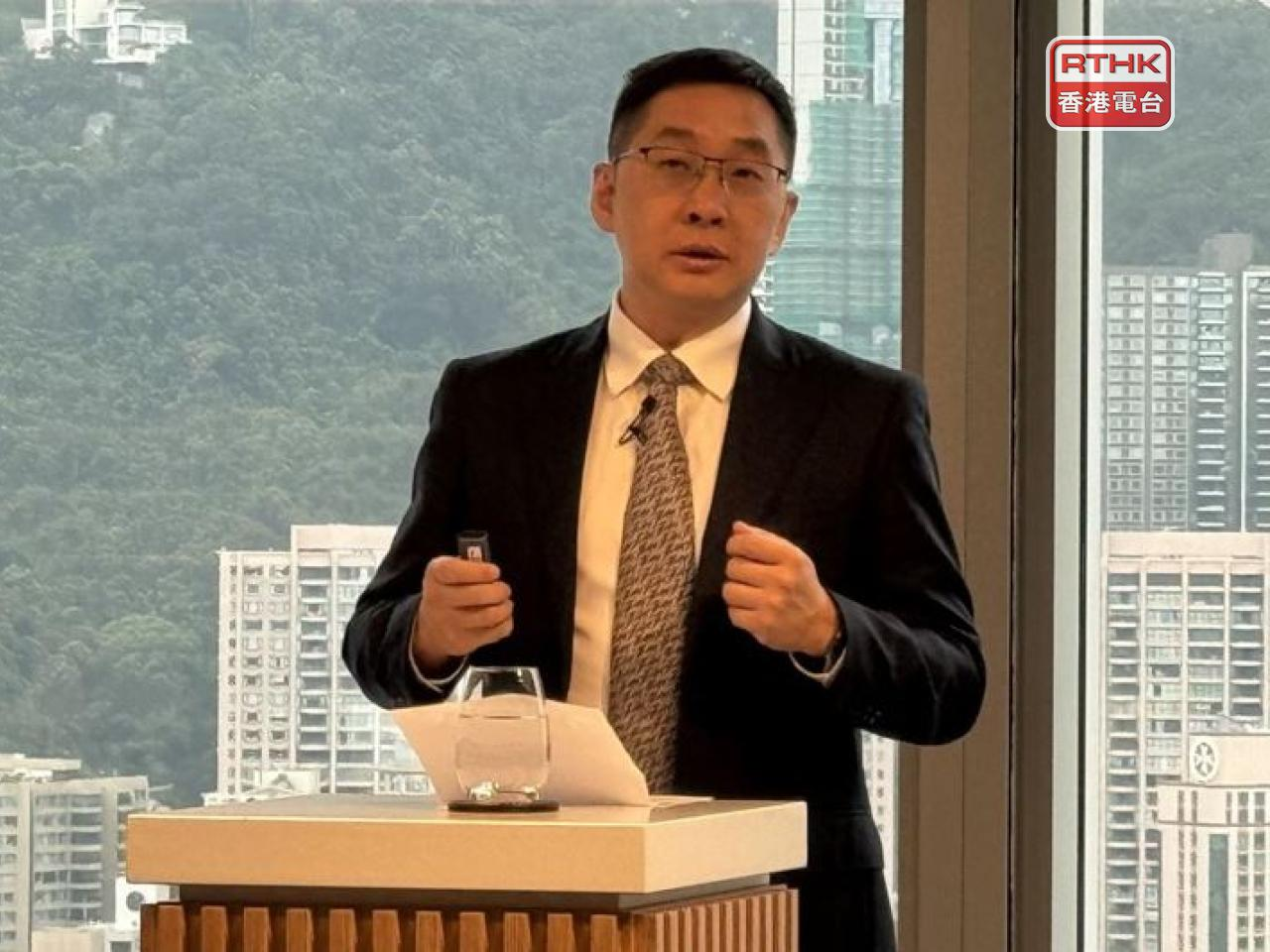
According to recent reports from Hong Kong broadcaster RTHK, officials are increasingly betting that improved relations between China and the United States could stabilize trade flows and give Hong Kong breathing room after years of economic turbulence. Chief Executive John Lee said a more predictable Sino-US relationship would reduce “external turbulence” and help the city focus on growth, investment, and consumer confidence.
That optimism arrives at a crucial time for Hong Kong’s economy. Government figures released this month show the city’s GDP grew 5.9 percent in the first quarter of 2026, marking its strongest quarterly expansion in nearly five years. The rebound has been driven largely by surging exports tied to artificial intelligence technology, stronger regional trade activity, and a gradual return in consumer demand.
The numbers suggest a city attempting to reinvent itself after years of political unrest, pandemic isolation, weakened retail activity, and capital flight concerns. Hong Kong’s financial markets have also regained momentum, with stock trading activity and fundraising improving substantially compared to previous years. Government revenues from stamp duties and market activity have risen enough for officials to forecast the city’s first fiscal surplus in four years.
Yet beneath the encouraging statistics lies an economy still heavily dependent on external conditions it cannot fully control.
Hong Kong remains one of the world’s most trade-dependent financial hubs, meaning geopolitical tensions ripple through the city like cracks through glass. The same export-heavy structure helping drive recovery also exposes the territory to every tariff dispute, supply chain disruption, and diplomatic confrontation between Beijing and Washington.
Economists interviewed by RTHK noted that much of Hong Kong’s current growth is tied to global demand for AI-related electronics and increased regional commerce throughout Asia. But they also warned that instability in the Middle East, weakening mainland Chinese consumer activity, and broader global uncertainty could still slow momentum later this year.
The Chinese mainland’s own economic slowdown is another looming concern. Recent mainland data showed slower industrial production, retail sales, and investment growth, fueling expectations that Beijing may roll out additional fiscal stimulus measures to stabilize the economy. For Hong Kong, whose economy is deeply intertwined with mainland markets, any prolonged weakness north of the border could quickly spread southward through banking, logistics, tourism, and retail sectors.
Hong Kong officials are responding with an aggressive strategy centered on technology, infrastructure, and finance. Financial Secretary Paul Chan recently unveiled measures designed to expand innovation industries, increase AI adoption, attract new businesses, and strengthen intellectual property protections. The government is also investing heavily in the Northern Metropolis development project, which officials hope will transform the city into a larger regional technology and logistics hub.
Still, the city’s recovery carries an unmistakable fragility. Property prices are rising again, stock markets are rebounding, and investors are returning, but much of the growth remains concentrated in finance and high-end sectors rather than broad-based wage expansion for ordinary residents.
Hong Kong’s challenge now is not simply restarting growth. It is proving that the recovery is durable enough to survive the next geopolitical shock, trade dispute, or regional slowdown. The city has spent years operating as a bridge between China and global capital. That role made Hong Kong extraordinarily wealthy during periods of globalization. It also means every tremor in the international economy now shakes directly beneath its feet.
For the moment, Hong Kong’s economy resembles a turbocharged engine rebuilt after a crash: powerful, expensive, and moving fast again, but still carrying fractures beneath the hood.
—Michael Lyles, B1Daily






Leave a Reply