—Sylvester Loving, B1Daily
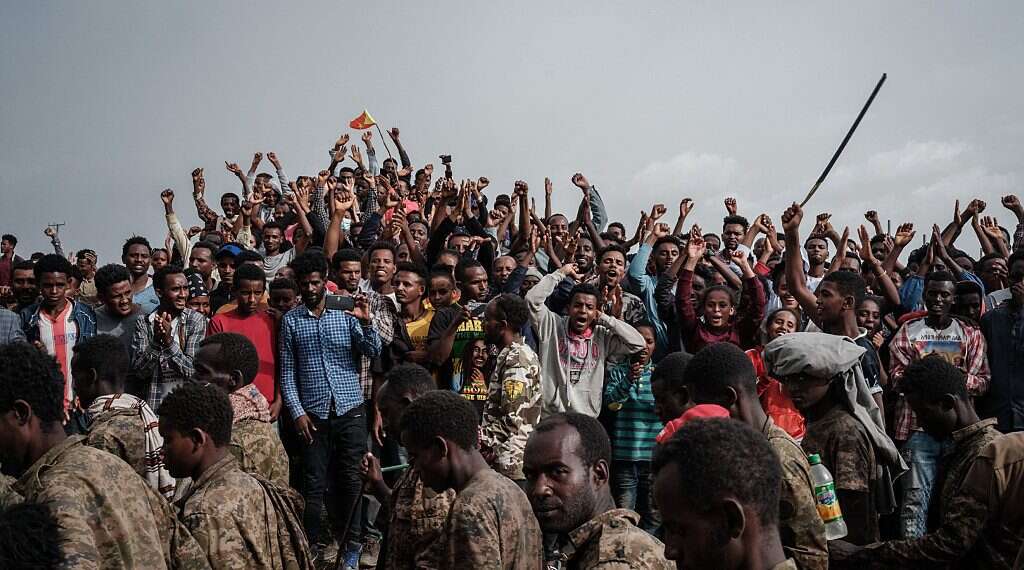
The war in Ethiopia’s Tigray region has faded from global headlines, buried beneath newer catastrophes and the relentless churn of international outrage. But the silence settling over Tigray is not peace. It is the sound of unfinished graves, shattered families, and survivors waiting for a justice system that still has not arrived.
A recent investigation published by Foreign Policy argues that accountability for the atrocities committed during the Tigray War remains dangerously absent, even as evidence of mass killings, sexual violence, ethnic targeting, and starvation tactics continues to pile up.
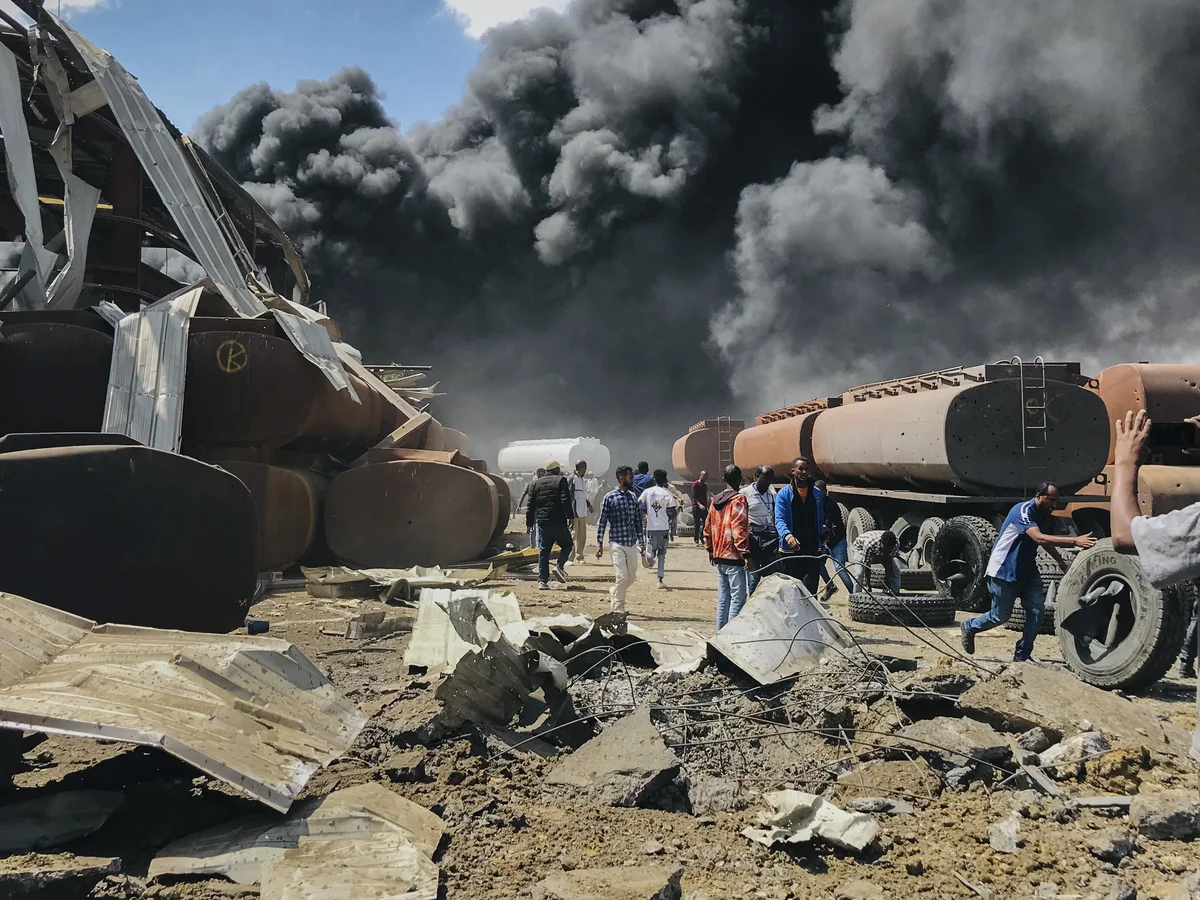
The conflict, which erupted in late 2020 between Ethiopia’s federal government and the Tigray People’s Liberation Front, spiraled into one of the deadliest wars of the 21st century. Estimates cited by researchers and humanitarian organizations suggest that hundreds of thousands of civilians may have died from violence, starvation, and the collapse of medical infrastructure.
What makes the Tigray conflict particularly horrifying is not just the scale of the death toll, but the systematic nature of the alleged abuses. Human rights organizations, UN investigators, and medical researchers have documented accusations of mass rape, forced displacement, torture, ethnic cleansing, and deliberate famine tactics carried out by multiple armed actors throughout the war.
The stories emerging from the region read less like conventional wartime atrocities and more like evidence from a tribunal archive waiting to happen. Reports describe women and girls subjected to gang rape, survivors mutilated with foreign objects, and soldiers allegedly using sexual violence as a weapon intended to erase ethnic identity itself.
International investigators and advocacy groups have repeatedly warned that the crimes committed in Tigray may constitute crimes against humanity and potentially genocide. Yet despite the severity of the allegations, there has been little momentum toward a large-scale international tribunal comparable to those created after atrocities in Rwanda or the former Yugoslavia.
Critics argue that geopolitics swallowed Tigray whole. As wars in Ukraine and Gaza dominated diplomatic attention, Ethiopia regained strategic importance for Western governments focused on regional stability in the Horn of Africa. According to the Foreign Policy report, international appetite for aggressively pursuing accountability weakened even as evidence mounted.
The collapse of several investigative mechanisms has only deepened survivor fears. The UN’s International Commission of Human Rights Experts on Ethiopia was allowed to expire before fully completing its work, a move widely criticized by human rights advocates who saw it as a political retreat.
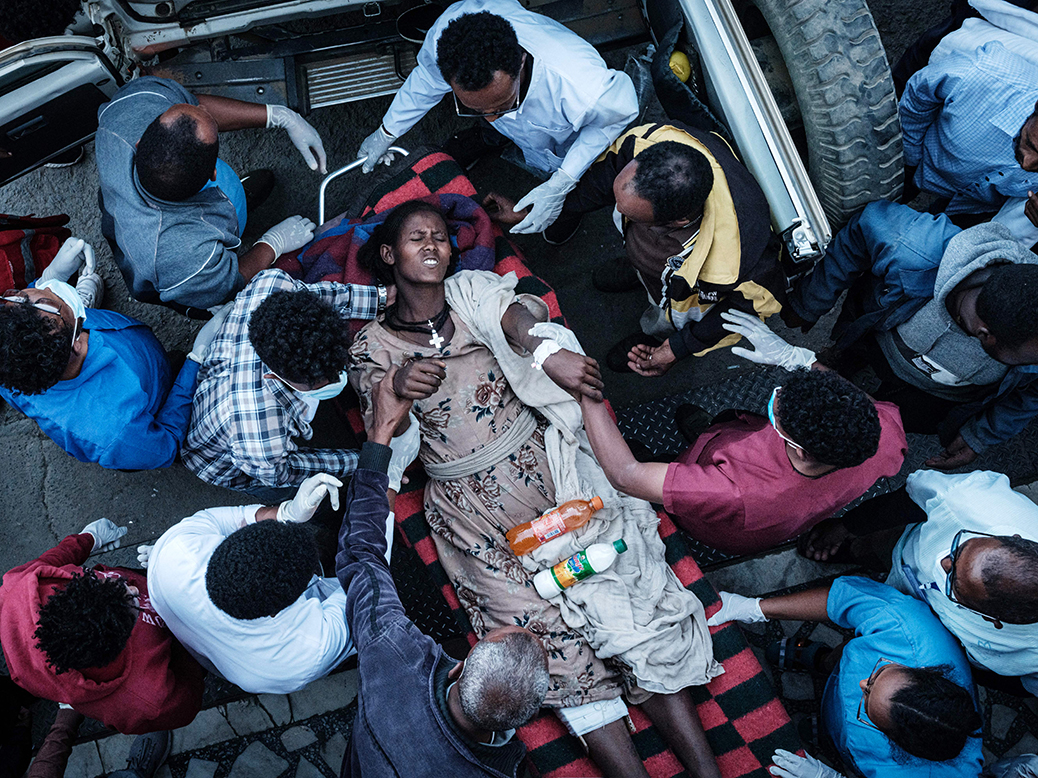
Meanwhile, survivors continue to live in camps, damaged towns, and medical systems that barely function. Many rape survivors still lack treatment, counseling, or economic support years after the formal ceasefire agreement. Some health workers interviewed in recent investigations described trauma so severe that entire communities remain psychologically fractured.
There are small signs that legal pressure may be building. Victims of the Tigray conflict recently filed a criminal complaint in Germany under universal jurisdiction laws, an approach sometimes used when domestic courts are unable or unwilling to prosecute international crimes. But for many observers, isolated cases are nowhere near enough for a conflict of this magnitude.
The larger fear haunting Tigray is that history is beginning to harden into precedent. If a war involving mass starvation, mass rape, and alleged ethnic extermination can drift quietly out of international focus without major prosecutions, then the global promise of “never again” starts to look less like law and more like decorative wallpaper pasted over the machinery of power.
Justice delayed has always carried a political cost. In Tigray, that cost may become another generation taught that international law only arrives when the victims live in places powerful nations cannot afford to ignore.
—Sylvester Loving, B1Daily




Leave a Reply