
—Kel McKnight, B1Daily
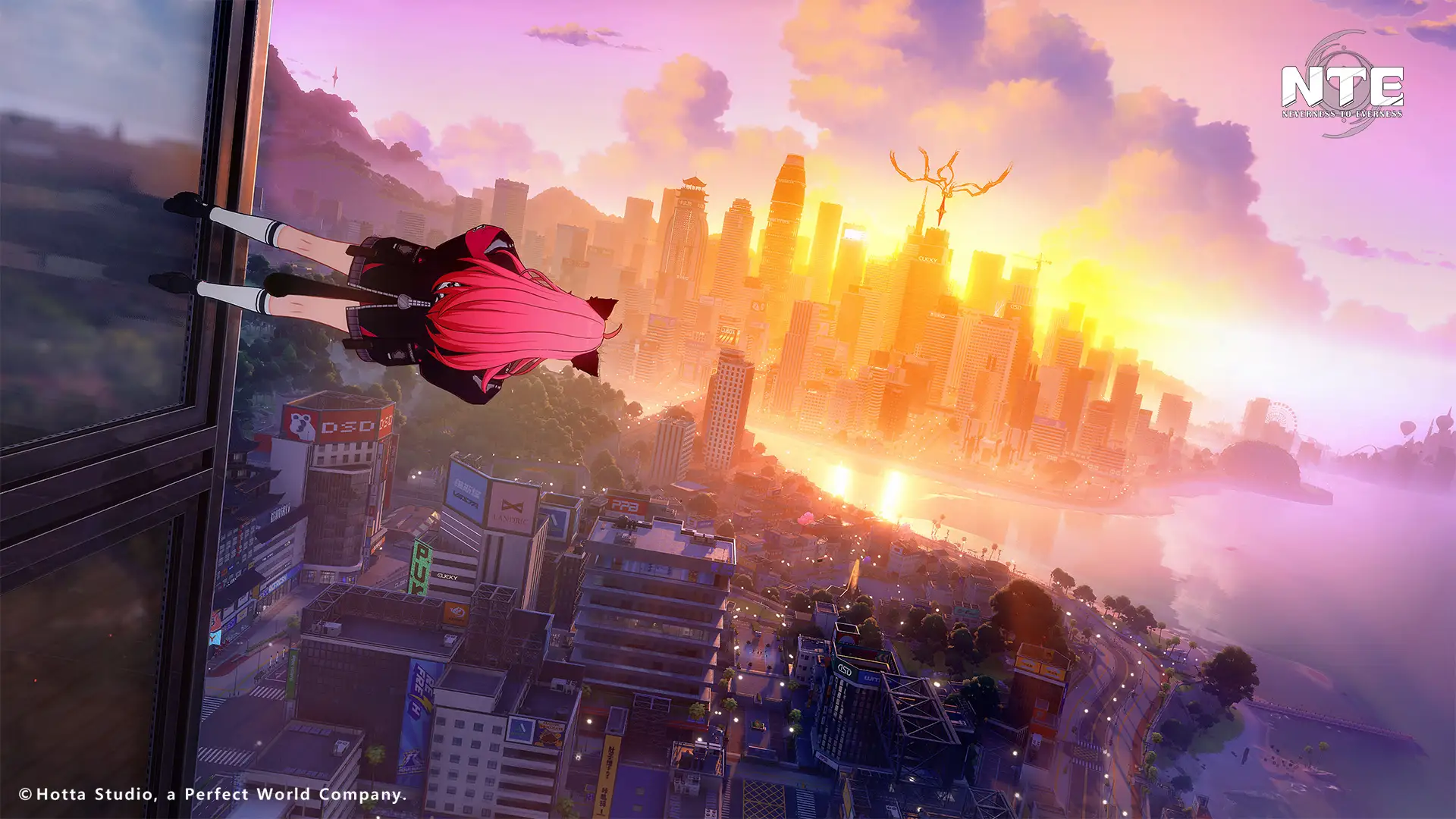
With massive anime-inspired open-world games like Genshin Impact, Wuthering Waves, and the incoming Neverness to Everness vacuuming up global attention like black holes wearing cat ears, fans are asking a question that would have sounded absurd a decade ago:
Why is China making the world’s biggest “anime games” while Japan watches from the sidelines?
It feels backwards. Japan created the modern anime aesthetic. Japan built the JRPG genre. Japan gave the world Final Fantasy, Persona, Zelda, Dragon Quest, Nier, and Xenoblade. Yet when it comes to giant live-service anime worlds with cutting-edge graphics, mobile integration, global monetization, and constant content updates, China has stormed the castle while Japan is still polishing old trophies in the basement.
The answer is ugly, complicated, and deeply tied to how Japan’s game industry evolved.
Japan’s gaming giants are still largely structured around an older philosophy: premium boxed products first, long-term live-service ecosystems second. Companies like Nintendo, Square Enix, and Bandai Namco built their reputations during the console era, where success meant shipping a polished game every few years and selling millions of copies upfront. Even when Japanese publishers embraced online games, many treated them as extensions of traditional development rather than permanent digital platforms requiring nonstop expansion.
Chinese studios approached the market differently.
Companies like miHoYo, the creator of Genshin Impact, were born in the mobile-first era. They grew up inside a hypercompetitive ecosystem where games survive through constant updates, aggressive analytics, community engagement, cross-platform integration, and relentless content pipelines. Chinese developers learned to operate games like living organisms rather than static products.
Genshin Impact is not just a game. It is a machine that eats content schedules for breakfast.
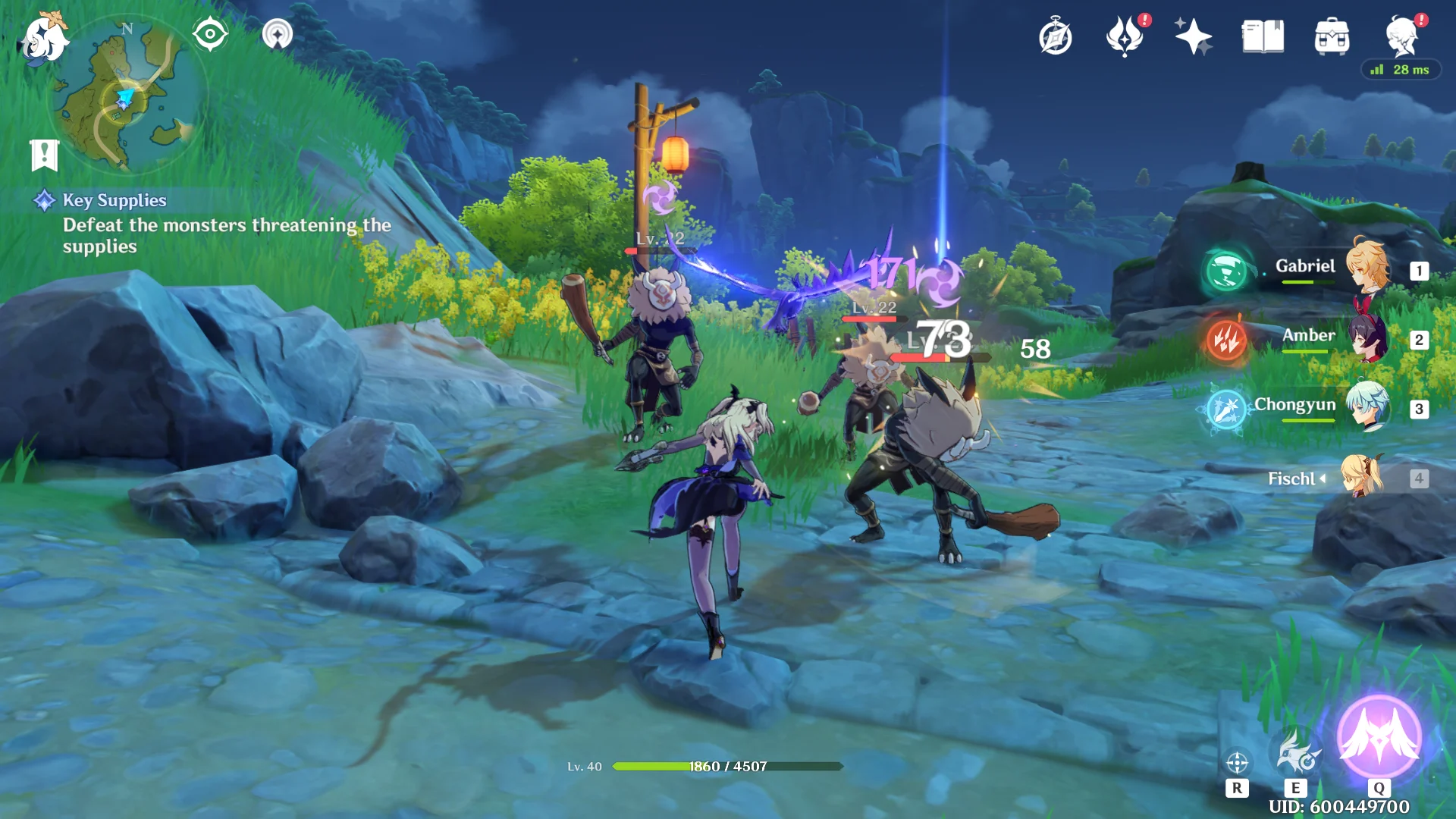
Every six weeks, new events. New characters. New banners. New regions. New cinematics. New music. New lore. The development scale resembles a television network fused with a casino fused with an anime studio. That operational rhythm is brutally difficult for traditional Japanese studios to replicate because most were not designed around perpetual production cycles.
Japan also suffers from a corporate conservatism problem that quietly strangles experimentation.
Many major Japanese publishers are risk-averse despite their legendary brands. Executives often prioritize proven formulas, domestic audiences, pachinko-adjacent monetization models, or smaller-scope projects with predictable returns. Building a “Genshin-scale” title requires terrifying amounts of capital upfront with no guarantee of success. Reports estimate Genshin Impact cost hundreds of millions of dollars across development and ongoing support. That is aircraft-carrier money.
Chinese tech firms, by contrast, spent years aggressively investing in gaming as a strategic global industry. They treated games as digital infrastructure and cultural exports. The result is that Chinese studios became extraordinarily good at combining anime aesthetics with modern monetization psychology, Unreal Engine spectacle, mobile optimization, and worldwide distribution.
Meanwhile, Japan’s labor culture creates another hidden problem.
Large-scale live-service games are labor monsters. They require massive teams, constant overtime pressure, server management, localization, event planning, writers, animators, voice actors, customer support, anti-cheat systems, and nonstop balancing. Japan’s game industry already struggles with burnout and aging talent pools. Younger developers increasingly avoid the punishing “salaryman game dev” pipeline entirely.
China has its own severe labor issues, but its giant tech ecosystem produces enormous development manpower and rapid scaling capability. The sheer industrial velocity is different. Chinese studios move like bullet trains. Japanese studios often move like revered temples carefully preserving tradition.
Ironically, Japan may also be trapped by its own artistic success.
Japanese developers still dominate in tightly crafted single-player experiences. Games like Elden Ring, Final Fantasy VII Rebirth, and Persona 5 prove Japan remains a creative superpower. But those are fundamentally different products than a forever-game designed to capture daily engagement for years across PC, console, and mobile simultaneously.
That distinction matters.
A traditional JRPG is a novel. Genshin Impact is a theme park that never closes.
There is also an uncomfortable reality many fans avoid discussing: some younger players now associate the “anime game” aesthetic more with Chinese developers than Japanese ones. That cultural shift would have sounded impossible in 2012. Today it is undeniable. Chinese studios have mastered the global anime pipeline with astonishing speed, producing games that look, sound, and feel adjacent to Japanese anime culture while operating with Silicon Valley-style live-service ambition.
Japan still could make its own answer to Genshin Impact. It has the talent, artists, composers, writers, and legacy. But doing so would require structural change. Larger risk tolerance. Bigger live-service investment. Faster production pipelines. Better global digital strategy. And perhaps hardest of all, abandoning the comfort of old business models that still generate reliable profit.
Because right now, the uncomfortable truth is this:
Japan invented the language of anime gaming.
China figured out how to industrialize it.
—Kel McKnight, B1Daily






Leave a comment