—Michael Lyles, B1Daily
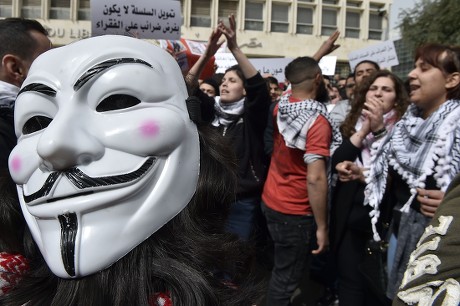
In December 2010, the battle over WikiLeaks moved beyond government offices and into the world of finance. While headlines focused on leaked diplomatic cables and international controversy, another story was unfolding behind the scenes: major financial companies began cutting off WikiLeaks’ ability to receive donations.
Among the most prominent was PayPal, which suspended WikiLeaks’ donation account, effectively shutting down one of the organization’s primary funding channels.
The decision ignited fierce debate about corporate power, free speech, and whether private companies should have the ability to financially isolate controversial organizations without a court order.
Founded by Julian Assange, WikiLeaks had built its reputation by publishing confidential documents from governments and corporations around the world. Supporters viewed the organization as a transparency advocate exposing wrongdoing and holding powerful institutions accountable.
Critics argued that the publication of classified information endangered national security and diplomatic relationships.
The controversy reached a boiling point in 2010 when WikiLeaks released hundreds of thousands of U.S. diplomatic cables and military documents. Governments around the world condemned the disclosures, while supporters hailed them as a victory for public accountability.
As political pressure mounted, attention quickly shifted toward the companies providing services to WikiLeaks.
PayPal announced that it had permanently restricted WikiLeaks’ account, preventing the organization from receiving donations through the platform.
The company argued that WikiLeaks had violated its acceptable use policy by encouraging activities that PayPal believed were illegal. Critics, however, noted that no criminal conviction had been secured against WikiLeaks at the time.
For WikiLeaks, the consequences were immediate.
Donations represented a significant source of operational funding. Losing access to PayPal meant losing a major gateway through which supporters around the world could contribute money.
PayPal was not alone.
Other major financial institutions, including Visa, Mastercard, and several banking partners, also restricted transactions connected to WikiLeaks.
The coordinated nature of the restrictions led critics to describe the actions as a “financial blockade.”
Rather than relying on legal action to silence an organization, opponents argued that financial intermediaries had effectively done the job by cutting off access to funding.
The episode became one of the earliest examples of what some observers would later call “deplatforming through finance.”
Supporters of WikiLeaks argued that private corporations had become gatekeepers of political expression.
If payment processors could deny service based on political controversy, critics asked, what would stop the same approach from being used against journalists, activists, or advocacy groups in the future?
Others defended PayPal’s actions, arguing that companies have the right and responsibility to determine which organizations may use their services.
The clash highlighted a growing reality of the digital age: modern speech often depends on access to financial infrastructure.
A website can remain online, but if it cannot process payments, its ability to operate may be severely weakened.
The WikiLeaks controversy also helped draw attention to emerging alternatives to traditional payment systems.
One of those alternatives was Bitcoin.
At the time, Bitcoin was still a niche technology known mainly among programmers and digital currency enthusiasts. The financial restrictions imposed on WikiLeaks fueled conversations about decentralized payment networks that could operate without banks or payment processors acting as gatekeepers.
Many cryptocurrency advocates later pointed to the WikiLeaks blockade as a defining moment that demonstrated the need for censorship-resistant financial systems.
More than a decade later, the PayPal-WikiLeaks dispute remains a landmark case in discussions about financial freedom and corporate influence.
The incident raised questions that continue to resonate today:
Who should decide which organizations can receive funding?
How much power should payment processors have over public discourse?
Can financial access become a tool for political influence?
As digital payments increasingly dominate economic life, those questions remain far from settled.
The freezing of WikiLeaks donations was not merely a dispute over one organization. It marked a turning point in public awareness of how financial institutions can shape political and social debates, often without casting a single vote or passing a single law.
—Michael Lyles, B1Daily




Leave a comment