—Terrence Dorner, B1Daily
As drones continue to reshape modern warfare, militaries around the world are racing to develop new ways to stop them. From the battlefields of Ukraine to the Middle East, inexpensive unmanned aerial systems have demonstrated an alarming ability to threaten tanks, artillery, logistics hubs, and even warships. Now, the U.S. Army believes it may have found a highly mobile answer to that challenge in a new system called GRIZZLY.
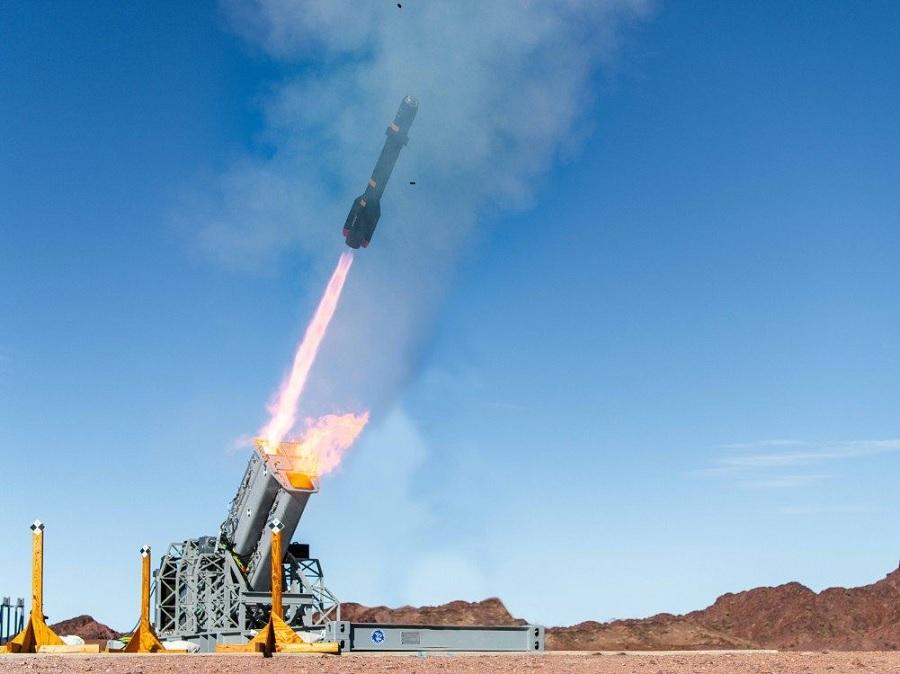
Developed by Lockheed Martin, GRIZZLY is a containerized missile launcher designed specifically to provide flexible air defense against drones and other aerial threats. Unlike traditional missile systems that require specialized launch vehicles and extensive support infrastructure, GRIZZLY packages combat power into a compact 10-foot shipping container that can be rapidly transported almost anywhere.
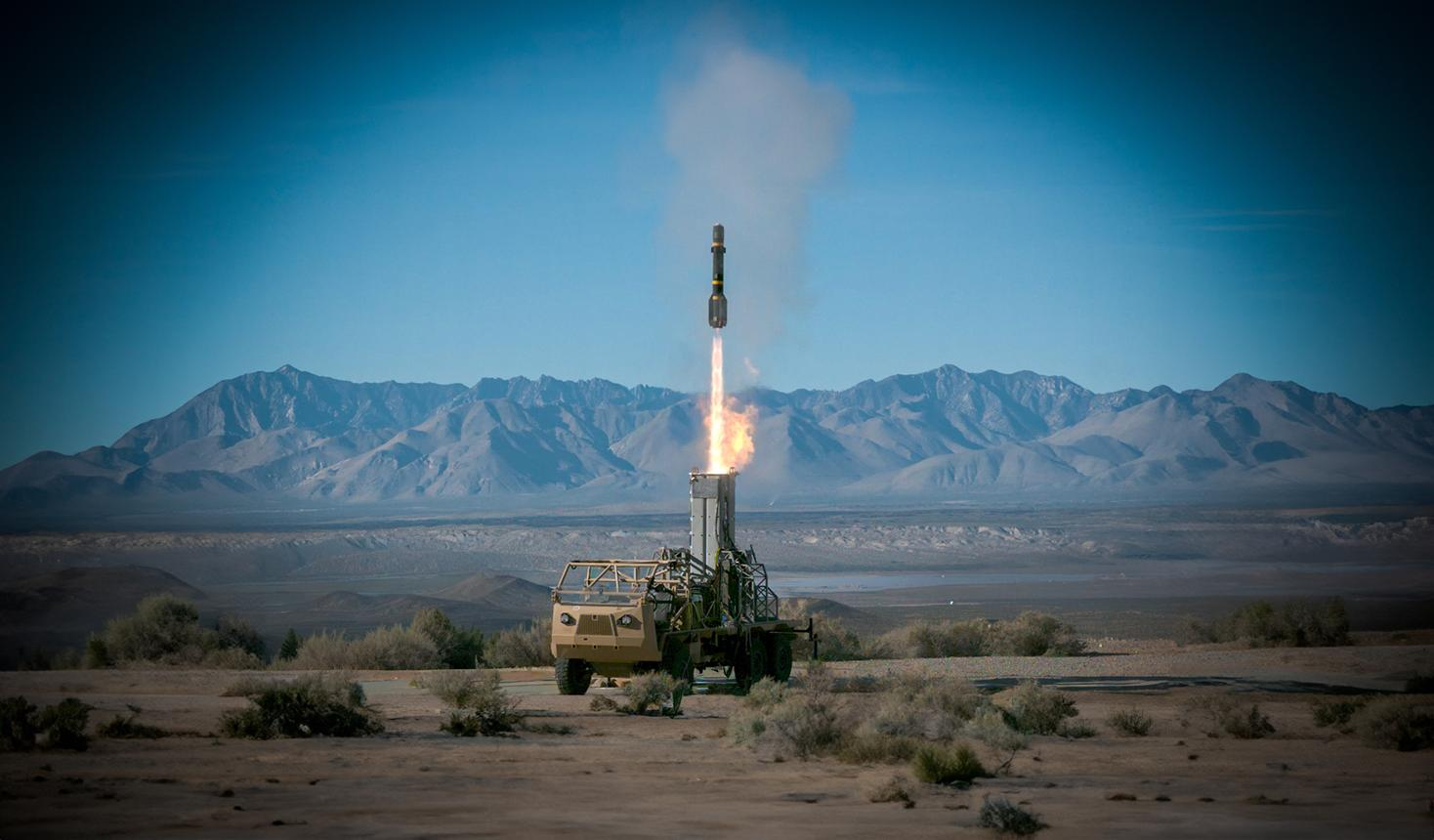
The concept is deceptively simple. By housing launch equipment and missiles inside a standard container, the system can be loaded onto trucks, aircraft, railcars, ships, and potentially helicopters. This gives military planners a level of flexibility that traditional air defense systems often struggle to achieve.
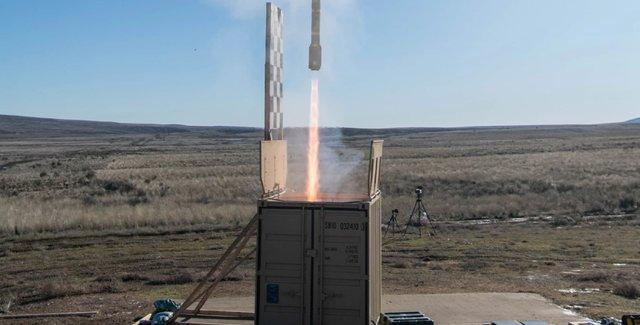
At the heart of GRIZZLY is its ability to use existing missile inventories. Rather than requiring a completely new interceptor, the launcher can deploy proven weapons such as the Joint Air-to-Ground Missile (JAGM). By leveraging missiles already in production, the Army can reduce development costs while accelerating deployment timelines.
The growing drone threat has made such systems increasingly important. Modern battlefields are crowded with reconnaissance drones, loitering munitions, and armed unmanned aircraft. Many of these systems are relatively inexpensive compared to the targets they threaten. This creates an unfavorable economic equation where a cheap drone can potentially destroy equipment worth millions of dollars.
GRIZZLY aims to change that equation by providing commanders with a rapidly deployable defensive shield. A launcher could be transported to a forward operating base, a strategic port, an ammunition depot, or a temporary command center and quickly brought online to defend against incoming threats.
Another advantage is survivability. Because GRIZZLY resembles a standard shipping container, it may be more difficult for adversaries to identify and target compared to traditional missile batteries. In an age where satellites, drones, and electronic surveillance constantly monitor military movements, the ability to blend into existing logistics infrastructure could prove valuable.
The system also reflects a broader trend in military modernization. Rather than relying solely on large, expensive platforms, defense planners are increasingly investing in modular systems that can be distributed across the battlefield. Containerized launchers fit neatly into this strategy by allowing missile capabilities to be dispersed rather than concentrated in a handful of high-value assets.
For Lockheed Martin, the successful test demonstrates how existing technologies can be adapted to meet emerging threats. Instead of waiting years for entirely new weapons programs, the company has focused on integrating proven components into a more agile and deployable package.
The implications extend beyond the Army. A containerized missile launcher could potentially be used by naval forces, expeditionary units, and allied militaries seeking affordable counter-drone solutions. Ports, military installations, and critical infrastructure sites could all benefit from rapidly deployable air defense systems capable of responding to evolving threats.
While further testing and evaluation remain ahead, GRIZZLY represents a glimpse into the future of battlefield defense. As drones become cheaper, smarter, and more numerous, military forces will need systems that are equally adaptable. By combining mobility, concealment, and proven missile technology, GRIZZLY may offer exactly the kind of flexible response modern warfare demands.
In a world where threats can emerge from the sky with little warning, the ability to move a missile battery as easily as a shipping container could become one of the most valuable advantages on tomorrow’s battlefield.
—Terrence Dorner, B1Daily






Leave a comment