
—Kel McKnight, B1Daily
When the BIG3 tipped off its inaugural season in 2017, skeptics were quick to dismiss it as little more than a retirement tour for former NBA stars. Critics labeled it an exhibition league, arguing that fans wouldn’t pay to watch aging veterans play three-on-three basketball.
Nearly a decade later, those predictions have aged poorly.
Today, the BIG3 has carved out a unique lane in professional basketball. It isn’t trying to replace the NBA, nor should it. Instead, it has become something equally valuable: a legitimate alternative that serves players and fans in ways the NBA often cannot.
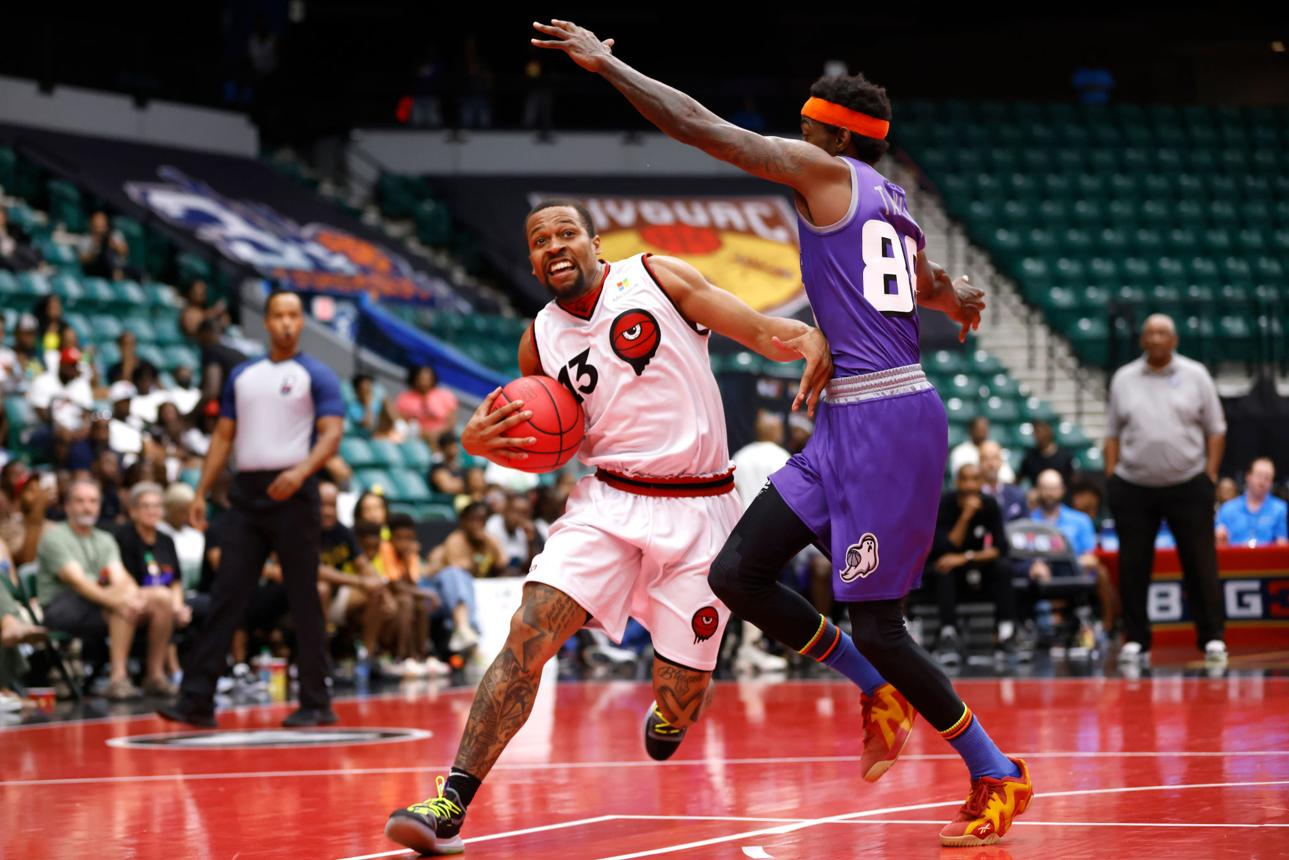
Founded by rapper, actor, and entrepreneur Ice Cube and entertainment executive Jeff Kwatinetz, the league has steadily matured into a professional sports property with recognizable stars, television partnerships, corporate sponsors, and an identity all its own.
A Different Product, Not an Inferior One
Comparing the BIG3 to the NBA misses the point.
The NBA is built around an 82-game regular season featuring the world’s top young athletes competing five-on-five.
The BIG3 offers something different.
Its half-court, three-on-three format emphasizes basketball IQ over raw athleticism. With fewer players on the floor, every possession matters. Defensive mistakes are magnified, passing lanes become tighter, and offensive creativity takes center stage.
Instead of endless isolation plays and transition dunks, fans witness a chess match where experience often defeats youth.
Veteran Stars Still Have Plenty Left
One of the league’s greatest strengths is providing accomplished professionals with another stage after their NBA careers slow down.
Players who may no longer thrive through an 82-game NBA schedule often remain exceptionally skilled.
Their footwork.
Their shooting.
Their passing.
Their leadership.
Those abilities don’t disappear simply because they’ve crossed age 35.
For basketball fans, the BIG3 offers the opportunity to watch beloved former stars continue competing at a high level while mentoring younger professionals.
Innovation the NBA Sometimes Avoids
The BIG3 has never been afraid to experiment.
The league introduced four-point shots, unique overtime rules, target-score endings, and a faster-paced structure designed to maximize excitement.
Some of these innovations have even influenced broader conversations across basketball about pace of play and fan engagement.
Rather than protecting tradition for tradition’s sake, the BIG3 has embraced experimentation as a competitive advantage.
A Better Financial Opportunity for Some Players
Business is where the BIG3 deserves even more attention.
Many professional basketball players never earn the massive contracts associated with NBA superstars. Fringe NBA players often bounce between the NBA, the NBA G League, overseas leagues, and short-term contracts.
The BIG3 provides another revenue stream.
Instead of relocating overseas for much of the year, players can remain in the United States while competing in a nationally televised league with sponsorship opportunities and growing commercial exposure.
For many veterans, that means extending both their careers and their earning potential.
A League That Understands Entertainment
Professional sports are entertainment businesses.
The BIG3 recognizes this better than many leagues.
Games are shorter.
The pace is quicker.
Every possession carries weight.
Fans are close to the action, creating an atmosphere that feels intimate rather than corporate.
The league has also embraced celebrity ownership, player personalities, and social media engagement in ways that resonate with younger audiences.
Expanding Opportunities Beyond the Court
The BIG3 has consistently emphasized diversity in leadership and ownership.
The league has featured female coaches, promoted minority ownership opportunities, and sought to create pathways for entrepreneurs interested in professional sports.
Those efforts distinguish it from many traditional leagues where ownership remains concentrated among a relatively small number of individuals.
For aspiring executives, broadcasters, coaches, and business professionals, the BIG3 represents another ecosystem where careers can be built.
Basketball’s Future May Include Multiple Major Leagues
American sports fans already accept multiple successful professional leagues in several sports.
Combat sports have numerous major promotions.
Soccer has leagues around the world.
Women’s professional basketball continues to grow.
There is no economic law stating that professional men’s basketball must revolve around a single dominant organization.

Competition often drives innovation.
Alternative leagues create more jobs for players, coaches, trainers, broadcasters, marketing professionals, and arena workers while giving fans more basketball to enjoy throughout the year.
Respect Has Been Earned
The BIG3 no longer needs to prove it belongs in the basketball conversation.
Its longevity alone speaks volumes in an industry where startup leagues frequently disappear after only a few seasons.
By focusing on elite veteran talent, innovative gameplay, smart business decisions, and fan engagement, the league has established itself as more than a novelty. It has become a sustainable professional basketball organization with a clear identity and growing influence.
The NBA remains the world’s premier basketball league, but that does not diminish what the BIG3 has accomplished.
The future of basketball is unlikely to belong to just one league. As fans demand more variety, more innovation, and more ways to connect with the sport they love, the BIG3 has positioned itself not as a replacement for the NBA, but as a legitimate complement to it.
That may ultimately prove to be its greatest victory.
—Kel McKnight, B1Daily





Leave a Reply