
—Sylvester Loving, B1Daily
Britain is once again confronting an uncomfortable question: has political disagreement crossed a dangerous line?
The death of former government minister and Reform UK figure Ann Widdecombe has shocked the United Kingdom and placed renewed attention on the threats facing politicians in an era of rising polarization. Police have described the attack as a targeted killing, with counterterrorism officers now involved in the investigation as authorities examine possible motives.
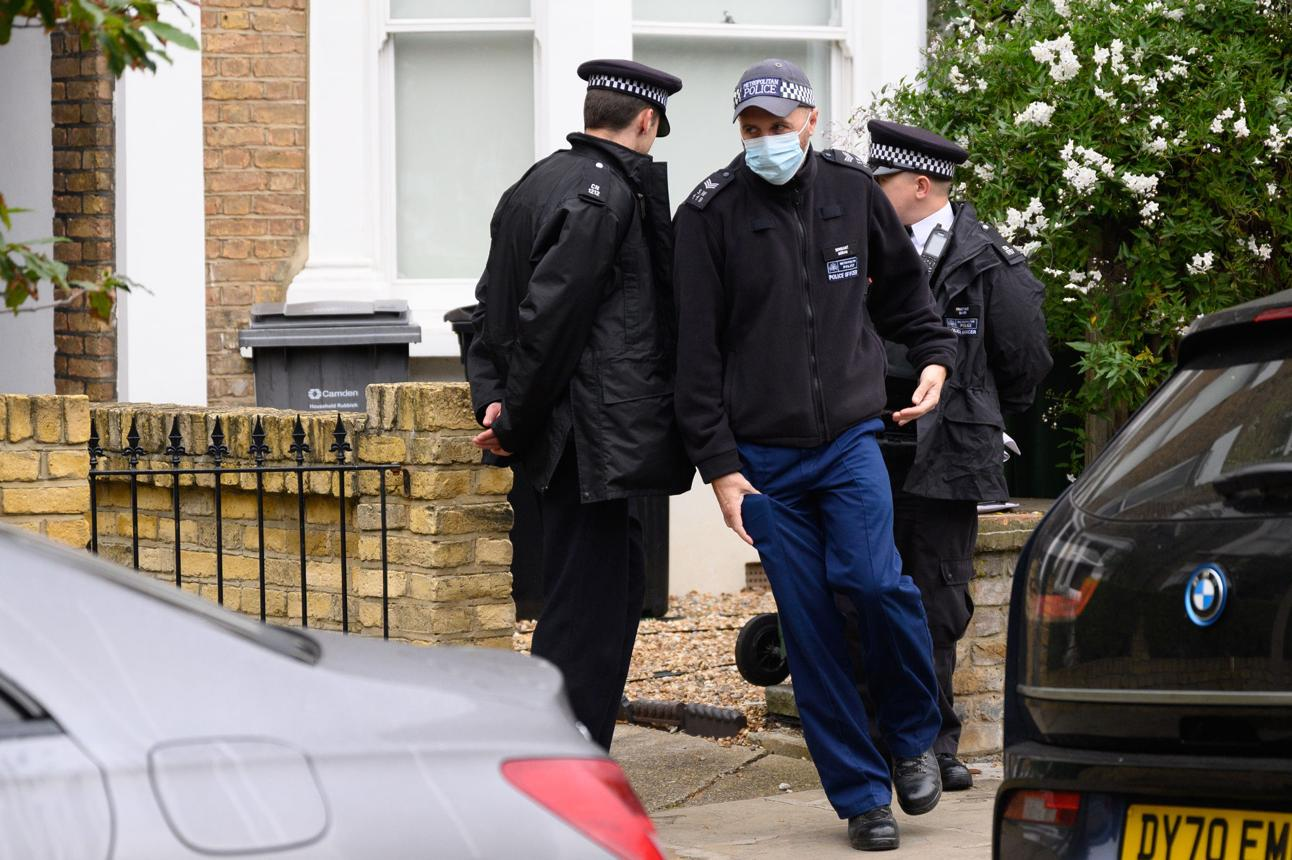
Widdecombe, 78, was a longtime figure in British public life. Known for her socially conservative views, outspoken style, and later involvement with Brexit and Reform UK politics, she became a familiar face to generations of voters. Her death has created a national conversation not only about one crime, but about the increasingly hostile environment surrounding political debate.
When Political Disagreement Becomes a Security Issue
Democracy depends on disagreement.
In healthy democracies, citizens argue over taxes, immigration, healthcare, foreign policy, and the role of government. Politicians expect criticism as part of public service.
But there is a major difference between criticism and targeted violence.
The killing of Widdecombe follows a troubling pattern in Britain, where political figures have increasingly reported threats, harassment, and intimidation. Her death has drawn comparisons to previous attacks on British lawmakers, including the murders of MPs Jo Cox in 2016 and David Amess in 2021.
The issue is no longer simply about protecting politicians.
It is about protecting the democratic process itself.
The Online Radicalization Question
One major focus of the investigation and broader debate is the role of online political extremism.
The internet has transformed politics by allowing ordinary citizens to participate in conversations once controlled by newspapers and television networks. But the same platforms can also amplify anger, conspiracy theories, and extreme views.
Researchers have documented growing concerns about online abuse directed toward politicians, with studies finding that harassment often increases around controversial political issues and high-profile events.
The challenge for governments is finding the balance between protecting public safety and preserving free expression.
A democracy cannot survive without passionate debate, but it also cannot survive if public service becomes a dangerous occupation.
The Cost of Political Fear
Political violence carries economic and social costs beyond the immediate tragedy.
When elected officials, candidates, and activists fear for their safety, fewer people may be willing to enter public life. Communities lose potential leaders, and political discussions become dominated by the loudest and most extreme voices.
Security spending also increases as governments must protect public figures who previously operated with fewer restrictions.
The result can be a political system where accessibility decreases. Politicians become more isolated behind security measures, barriers, and controlled environments.
Britain’s Growing Political Divide
The attack comes during a period of intense political division in Britain.
Issues such as Brexit, immigration, economic inequality, and cultural identity have created some of the most heated debates in modern British history.
Supporters of stronger immigration controls, advocates for social change, traditional conservatives, and progressive movements increasingly view each other not merely as opponents but as threats.
That shift is dangerous.
Political opponents are supposed to compete for votes, not become enemies.
The Debate Over Security
Following Widdecombe’s death, calls have grown for stronger protections for politicians. Critics argue that public officials have become too exposed in an age of online threats and extremist violence.
However, increased security creates another challenge.
Politicians must remain connected to the public. Democracy depends on citizens being able to meet representatives, challenge them, and hold them accountable.
A country where politicians must completely retreat behind security walls risks creating even more distance between government and citizens.
A Warning Sign for Democracies Everywhere
The killing of Ann Widdecombe is not only a British issue.
Around the world, democracies are struggling with rising political hostility. From Europe to North America, public debates are becoming more aggressive, online spaces are becoming more extreme, and trust in institutions continues to decline.
The lesson is clear:
A democracy can survive disagreement. It cannot survive when disagreement becomes dehumanization.
The investigation into Widdecombe’s death will determine the facts behind the attack. But the larger question facing Britain remains: how can a society maintain passionate political debate without allowing hatred and violence to take over?
That may be one of the defining challenges of modern democracy.
—Sylvester Loving, B1Daily






Leave a comment